
The word RapCaviar carries weight that few playlists in history can match. For independent hip hop artists chasing streams, exposure, and a real career, understanding how this playlist works and what lies beyond it is not optional. This guide breaks down the culture, the criticism, and the concrete strategies you can use to compete.
What Is RapCaviar & Why It Matters in the Music Industry
RapCaviar is a highly influential playlist featuring contemporary hip-hop music. Launched in 2015 as Spotify’s flagship editorial rap playlist, it has grown into a digital kingmaker in the music industry. The playlist has millions of followers and regularly updates its tracklist, with approximately 15.8 million followers as of early 2026. It showcases various subgenres including trap, melodic rap, and drill, and increasingly features Afrobeats crossovers, making it the single most important spot for defining what mainstream hip hop sounds like at any given moment.

RapCaviar influences the music industry similar to traditional radio stations, but with a reach that most radio stations can only dream of. The playlist features a mix of upbeat tracks from superstars and breakout artists, and it blends established artists with emerging talent in the hip-hop genre. It supports the growth of artists’ careers through exposure, and it affects musical trends and artist success across the entire hip-hop industry. Spotify has extended the brand into a series of cultural content, including the docuseries RapCaviar Presents, which features artists like Polo G exploring provocative issues such as mental health, viral fame, and social justice. Carl Chery, Spotify’s head of urban music, has been instrumental in putting the playlist at the center of hip hop culture. RapCaviar helps define what is popular in hip-hop, but that kind of power inevitably draws criticism.
RapCaviar vs. Real-World Hip Hop: Culture, Criticism & Control
The “RapCaviar is RapMcDonalds” comparison surfaces constantly among fans and independent artists. The idea is simple: high reach, predictable taste, and content optimized for mass appeal rather than depth. Drake, Future, Travis Scott and similar superstars appear in heavy rotation week after week, while underground artists with raw talent struggle to get featured. Many fans view this as a bad sign for creative diversity, and posts across forums and social media regularly agree that the playlist reinforces existing hierarchies more than it disrupts them.
The criticism goes beyond taste. Curation on RapCaviar is performed actively rather than relying solely on algorithms, which means editorial decisions carry real weight. Major labels understand this, and they invest heavily in the signals that curators look for: pre-release press, strong metadata, visual content, and social proof. The playlist is a key part of a release strategy for established artists backed by label budgets and PR machines. Landing on RapCaviar can significantly increase an artist’s streams and visibility, so the stakes are enormous, and major labels treat placement as a priority investment rather than a happy accident. This dynamic leaves independent artists at a structural disadvantage.
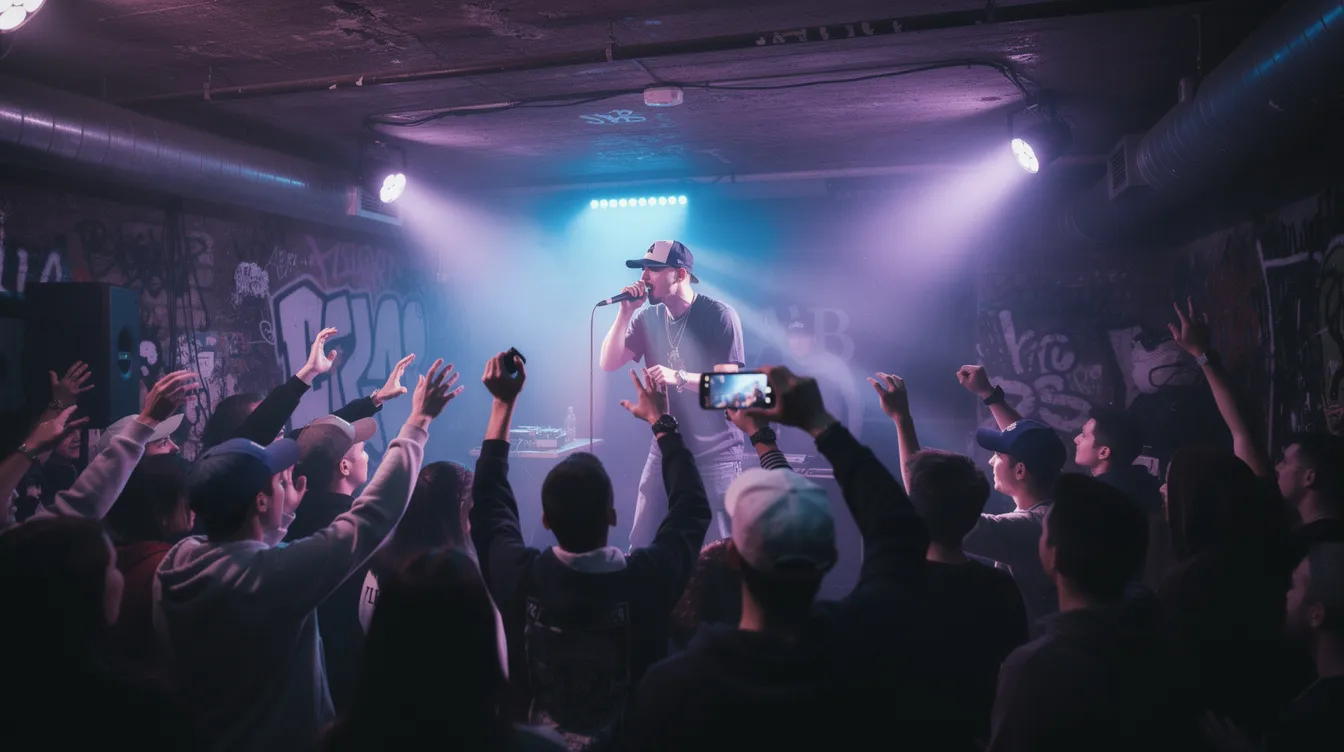
Meanwhile, real-world hip hop scenes continue to thrive outside the spotlight of flagship playlists. Regional drill movements in Chicago, London, and Lagos; DIY trap producers building local followings through live shows; Afrobeats artists creating their own ecosystems on platforms like TikTok and YouTube. These artists and their fans often love the rawness, the stories, and the cultural specificity that mainstream playlist culture tends to smooth over. The streets have always been the foundation of hip hop, and that generation of grassroots energy hasn’t disappeared. It’s just happening in parallel to the playlist world, and smart artists learn to navigate both.
Can Independent Artists Still Break Through? Strategy Beyond RapCaviar
Landing on RapCaviar as an independent artist is possible, but statistically rare. Data shows that indie acceptance rates for flagship editorial playlists like RapCaviar sit in the 1–5% range, and with over 120,000 tracks uploaded to Spotify every day, the competition is relentless. So what can you actually do?
Start with realistic goals. Instead of fixating on RapCaviar, target niche and mid-tier playlists first: subgenre rap lists, regional New Music Friday variants, and community-driven playlists. Build traction on algorithmic lists like Release Radar and Discover Weekly. Once your songs are generating saves, repeat listens, and follower growth, your strongest release becomes a legitimate candidate for a pitch to flagship playlists. Think of it as a tiered approach rather than a lottery ticket.
Your release cadence matters enormously. Artists should release music every two to three weeks. Releasing every two weeks creates 26 opportunities per year, while monthly releases only provide 12 opportunities per year. Consistent releases increase visibility on Spotify’s algorithms, and each new track is another chance for curators to notice you. Plan your singles at least 60 days in advance, with clean metadata, high-quality artwork, and proper mastering. Research from Wiseband shows that submitting your pitch 31–40 days before release significantly improves your odds of editorial placement.
Networking is non-negotiable. Attend music conferences to meet industry professionals and build real connections. Network on LinkedIn to connect with Spotify employees directly, and personalize messages when reaching out on LinkedIn rather than sending generic templates. Engage with Spotify’s team once or twice a month through meaningful interactions. Tag Spotify in posts about your music updates to stay on their radar. Join music-related forums to share experiences and seek advice from other artists navigating the same path.
Collaborations with established artists enhance music exposure significantly. Building relationships with known artists can lead to collaborations, and successful collaborations blend styles to create unique music that neither artist would have made alone. Collaborating can provide a significant advantage in music promotion, giving you access to new audiences and editorial attention. Beyond collaborations, explore alternative discovery routes: craft 15-second hooks for TikTok sounds, create YouTube Shorts with strong visual identity, play local live shows that generate press, and build your own streaming and playlist campaigns. Attend industry events to grow music industry connections, because the people you meet at parties and panels today become the co-signers and curators who open doors tomorrow.
Using Beats To Rap On as Your RapCaviar Alternative Launchpad
One of the biggest barriers for independent hip hop artists is costs. Major labels spend heavily on production, mixing, mastering, promotion, and visual branding. At Beats To Rap On, we built our platform specifically to give artists access to those same capabilities without the label overhead. Our marketplace offers royalty-free trap beats, drill beats, and Afrobeats instrumentals that are production-ready and cleared for commercial use.
Our AI-powered tools help you hit the sonic standard required by playlists like RapCaviar. Use our AI stem splitter to isolate and rework elements of your tracks, our AI mastering to enhance loudness and clarity to competitive levels, and our BPM and key finder to ensure your records sit in the right sonic range. These tools serve as the technical team that indie artists rarely have.
Beyond tools, our creators network and hireable services like promotion, mixing and mastering, visual branding for musicians, and PR can substitute many of the functions that labels provide. If you want to learn what playlist-ready production sounds like in today’s hip hop landscape, explore RapCaviar. It curates beats that match the sonic profile of flagship playlists, giving you a practical reference point for your own music.
Playlist-Ready Beats Inspired by RapCaviar’s Sound
RapCaviar currently favors a specific sonic profile: punchy 808 bass, clean mixes, melodic hooks placed early in the arrangement, and genre blends like trap crossed with R&B, drill fused with Afrobeats, or melodic rap with atmospheric pads. Tempos typically fall between 120–160 BPM, with half-time feels and hi-hat triplet patterns dominating the rhythmic landscape. Understanding these production trends is essential for any artist investing time in playlist-targeted releases.
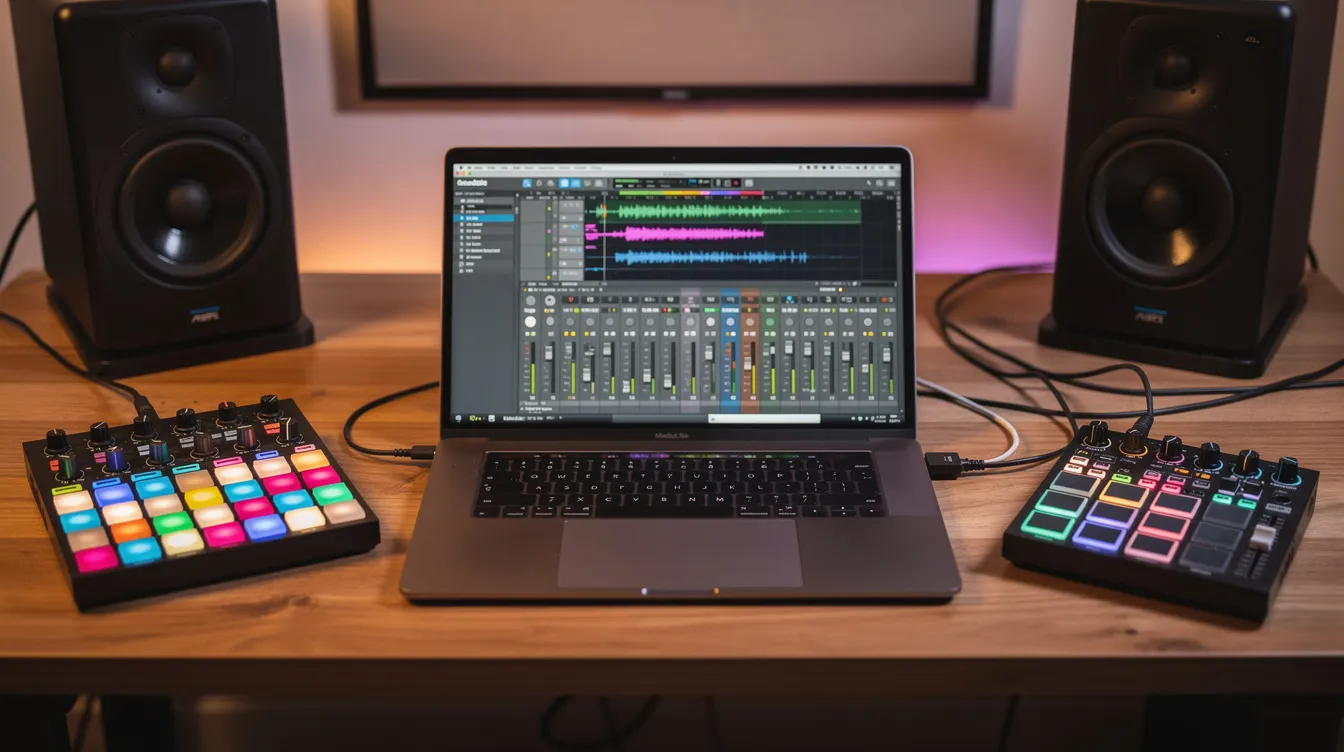
To hear what this sounds like in practice, check out this hard-hitting trap instrumental from our catalog. It demonstrates the kind of aggressive 808 work and spatial mixing that RapCaviar’s rotation rewards. For something on the melodic, crossover side, this playlist-friendly hip hop beat blends warm chord progressions with modern arrangement techniques, showing how EPs and singles can be built around hooks that stick without feeling formulaic.
What makes these beats playlist-ready isn’t just loudness or genre tags. It’s the arrangement: hooks that arrive in the first 15 seconds, dynamic variation that discourages skipping, and mixes clean enough to sit next to records from artists with six-figure budgets. That said, RapCaviar isn’t the only lane. The Lofi Girl profile on Beats To Rap On shows how niche branding works in focused subgenres. Not every artist needs to chase the charts. Some build devoted fans by owning a specific mood or sound, and the history of hip hop is full of artists who built entire careers outside the mainstream spotlight.
From Playlist Aspirations to Sustainable Careers
RapCaviar is a powerful spotlight, but remember that it’s not the only path to a sustainable career in hip hop. The artists who thrive long-term are the ones who build direct fan relationships, play live shows, create recurring content, and own their creative process. Treat influential playlists as milestones, not the foundation of your artist growth strategy. The world of streaming will keep shifting. Curators rotate, editorial tastes change, and what’s favored this episode of the playlist cycle may be gone next week.
Finally, the tools to compete have never been more accessible. Royalty-free beats, AI mastering, stem splitting, visual branding, and music promotion services available on Beats To Rap On let you operate like a label without signing away your future. Hip hop visionaries have always been the ones who figured out how to make something from nothing. Explore our full beats catalog, grab a beat that fits your sound, and start making your own caviar. Your friends, your fans, and the industry will follow the music if it’s worth following.