No Quiet Entrances: The Sound of Artists Under Pressure
Arrival is rarely tidy. It can sound like a hook sharpened for repeat listens, a message pushed through distortion, a new release placed into the world before permission has been granted. In a climate where attention moves quickly and memory moves even faster, urgency becomes part of the craft.
This is not a story about waiting for consensus. It is about the tension between visibility and self-definition: artists making room for themselves while deciding what, exactly, the audience should hear first. Some meet the moment through melody, others through confrontation, experimentation, rhythm, or a refusal to soften the point.
Across rap, drill, soul, Afrobeats, Amapiano and sounds that resist neat borders, the common thread is forward motion. These are works and creative positions shaped by pressure—not as a burden to hide from, but as a force that can make an entrance impossible to ignore.
The Moment Before the Door Opens
There is a particular kind of pressure that arrives before public recognition does: the sense that the work has already become larger than the room in which it was made. DJ:MAJESTIK understands that tension not simply as an artist, DJ, and producer, but as a question of perception itself. His stated interest in narrative control—who shapes what people believe, how media ecosystems amplify certain ideas, and what algorithms teach us to notice—gives his electronic work an unusually alert conceptual frame. He is not treating the dance floor as an escape from the attention economy; he is treating sound as a way to interrupt it. The Nashville-based creator’s catalogue moves across EDM, house, drum and bass, techno, hard techno, trap, and bass music with the appetite of someone who hears genre as a palette rather than a border. On “TURN UP DA BASS,” the declared objective is gloriously direct: a fully loaded, wall-blowing bass beast. Yet the force is not empty volume. It is architecture—rhythm built to rearrange the air around it. “SOMEONE LIKE U,” meanwhile, points toward another side of his sensibility: neo-soul warmth and a feel-good invitation to think, proving that DJ:MAJESTIK’s desire to move bodies is inseparable from his desire to hold attention. Even the clubish, trapish, bass-and-drum blend of “WHOSE LUV LOVI’n” suggests a producer working in transitions, pulling listeners between mood, impact, and immersion. His motto—“I don’t make beats, I make experiences”—could easily be a slogan in lesser hands. Here it reads as a production ethic. DJ:MAJESTIK is building immersive sonic environments with cinematic sound design and club-ready momentum, while developing the Konvicted Entertainment brand and sustaining a steady release presence across digital platforms. In an age built to fragment attention, DJ:MAJESTIK makes pressure feel like propulsion.
“In an age built to fragment attention, DJ:MAJESTIK makes pressure feel like propulsion.
That distinction matters because arrival is no longer a single televised event or a gatekeeper’s stamped approval. It can be a repeated act of framing: a song title, a visual, a snippet, a live-set peak, a carefully articulated reason for making the work in the first place. DJ:MAJESTIK’s narrative-control lens puts language to a challenge every independent artist faces: attention is plentiful, but sustained understanding is scarce. The artist who can create a memorable sonic signature while knowing how narratives travel holds a different kind of leverage. This is not about manipulating listeners; it is about refusing to let the machinery of amplification flatten an artist’s intent. In that sense, a bass drop can be an argument, a melodic pause can be a recalibration, and consistency can become its own form of authorship. Elsewhere in this wider field of self-definition, bussft describes the timing of the music as a testimony and a sign—an instinct that aligns with the larger truth here. Before the door opens, artists are often already writing the terms of their entrance. The pressure is not merely to be heard. It is to make sure that what gets heard still carries the full grain of the person who made it.
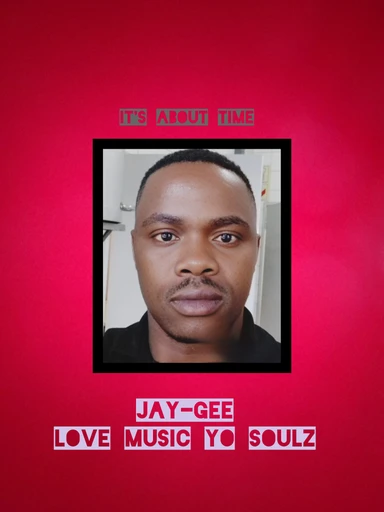
Blackbeard approaches that same challenge from a radically different set of tools: voice, pen, production instinct, and a willingness to let genre carry emotional complexity rather than stylistic restriction. The name is not a costume; it is his surname, made into a stage identity after he began making music as a producer. That detail gives Blackbeard’s creative posture a quiet solidity. He is not reaching for a borrowed mythology. He is extending himself into the work. As a producer, singer, rapper, songwriter, composer, and actor, Blackbeard works from a broad expressive range, but his strongest quality may be his refusal to reduce feeling to one musical language. “Ndenzeni Ft Blackbeard” is described as emotional Afro soul, Afro jazz, and country music—a combination that speaks to an artist willing to make tenderness expansive. Its presence alongside hip-hop material such as “failure ft Jay – Gee,” with its Kasi rap, Afro-pop, soul, and country hip-hop contours, reveals a catalogue more interested in lived texture than strict categorization. Then there is “struggle iz real Ft Blackbeard,” a freestyle trap record carrying new hip-hop energy and Kasi vibes: a title that does not disguise hardship, but turns it into a point of articulation. Blackbeard’s forthcoming single therefore lands not as an isolated promotional moment but as another page in a body of work already shaped by multiplicity. He has worked with executive producers on 19 songs, with three released across YouTube and digital platforms, and has placed eight songs on the platform while watching the numbers grow. Those details matter less as statistics than as evidence of labor: Blackbeard has been assembling a creative life piece by piece. His music has the grain of someone who knows a song can hold prayer, pressure, pride, and a street-level observation in the same breath. Blackbeard does not treat versatility as a résumé line; he uses it to make emotional room.
If DJ:MAJESTIK turns the modern attention economy into an electronic question, and Blackbeard answers creative pressure with openness, the next movement in this story is about voice as territory. Breakout force does not always arrive through polish. Sometimes it arrives through the refusal to sand down the local, the slang-rich, the deeply personal rhythm of how a place speaks. That is one of hip-hop’s oldest powers: it lets an artist make a world audible without translating its every edge for outside approval. The pressure-and-arrival story becomes more compelling when artists keep that specificity intact. There is a difference between broad ambition and generic ambition. The former stretches outward while preserving its roots; the latter erases its roots in pursuit of reach. The artists with the strongest chance of lasting do not merely seek visibility. They give visibility something it has not encountered before: an accent, a cadence, a moral focus, a beat logic, a lived vocabulary that cannot be replicated by a more marketable substitute.
MR Quake21 brings that irreducible vocabulary into focus. Professionally known as MR Quake21, Andiphesona Majezi traces his musical journey back to the village of Dyamala in the Eastern Cape, while his present path runs through Vaal 016 in Gauteng. Those are not incidental biographical pins; they form the geographic and cultural charge inside his work. He identifies his style through Xhosa mumbling trap, a phrase that carries its own aesthetic declaration. “Mumbling” here should not be mistaken for vagueness. In trap, texture often speaks before exposition does, and MR Quake21’s approach makes language bend around mood, pulse, and attitude. It is rap that understands clarity is not the only way to communicate conviction. His connection to 5360 Kulture Inyikima Emhlabeni gives the music a collective banner, while “Dusty Boy” locates that banner amid the dirty streets of Sada in Gauteng and announces its creator as a proud influencer of 5360 Kulture. The song’s description is plainspoken, but its pride is immense: pure talent as a response to the conditions around him. “NDIZE,” categorized as hybrid trap and described in the blunt shorthand of friends-with-benefits, offers another dimension—the personal and intimate folded into the same muscular framework. MR Quake21 has the instincts of an artist who does not separate desire, environment, and identity into tidy compartments. His songwriting emerges from the friction between them. At 23, he is already presenting a voice with a clear internal weather system: rooted in Xhosa expression, sharpened by trap’s elastic atmosphere, and committed to representing the culture he names. MR Quake21’s next move matters because he has made the current position legible first. He is not chasing an abstract idea of arrival; he is carrying Dyamala, 5360 Kulture, and the pressure of his surroundings into the beat with him.
That kind of representation is larger than regional pride, though it begins there. It is an insistence that music can document the codes people use to survive, love, compete, believe, and remain accountable to one another. The most durable rap traditions do not stand outside daily life and lecture it; they enter its language, recognize its contradictions, and make a form sturdy enough to carry them. In a crowded release culture, this is where narrative control becomes ethical as well as strategic. An artist tells listeners what matters by what they repeatedly choose to put in the frame. Brotherhood instead of empty posturing. Mental resolve instead of easy defeatism. Social awareness without surrendering rhythm. These choices do not make the music less immediate. They give its immediacy a longer afterlife, turning a track into something that can be replayed not only for its sound but for the perspective it offers.
85 SKWAD have spent more than 17 years proving the value of that perspective. Formed in 2005 in Kaduna South, Nigeria, the group was founded by Wayne Dogo, known as Bobbywayne and previously Lordstifaz, alongside Godwin Duniyo Bitiyong, known as Gdocmedic. Their commitment to conscious rap and street gospel has remained intact through the transformations that any long-running group must weather. That longevity is not presented as nostalgia; it is the foundation beneath a live creative present. 85 SKWAD recently completed “Mind Over Matter,” featuring core member Godwin Bitiyung, and are working toward their debut album, 85th Century, expected in December. The title itself feels like a statement of scope: a collective imagining its own era rather than waiting to be admitted into someone else’s. Their music is built around everyday struggle, ambition, self-belief, brotherhood, and authentic storytelling, but those words gain real weight in the details of the songs. “BRO CODE,” a boom-bap-centered new-school hip-hop track, takes up the do’s and don’ts of brotherly love, making accountability sound communal rather than punitive. “Rat Race,” described as conscious rap, sees life as an athletic contest in which survival through the finish line is the essential demand. It is a vivid metaphor because 85 SKWAD understand competition without romanticizing its cost. On “Mai Mai Ta,” contemporary hip-hop meets a fusion of Hausa and rap, demonstrating that their vision of conscious music is not narrow or museum-bound. It is contemporary, multilingual in spirit, and attentive to the cultural materials close at hand. Possible bonus material from unreleased recordings, including collaborations featuring Mic Gojies, further suggests a collective thinking in chapters rather than singles alone. 85 SKWAD’s force lies in that patience. They make room for distinct personalities and creative strengths while holding fast to a unified message: rap can inspire, educate, and uplift without losing its street-level urgency. As 85th Century comes into view, 85 SKWAD are not standing at the door asking permission. They are arriving with a blueprint for the room beyond it.
Breakout pressure is rarely one sound or one strategy; it is the charged second in which an artist decides what deserves to carry forward. For dj-majestik, that means treating the attention economy itself as material—pairing immersive, club-minded electronic force with a clear interest in how narratives travel, amplify, and shape perception. mrquake21 brings that same urgency into the language and local texture of Xhosa mumbling trap, grounding ambition in a perspective that refuses to smooth out its origins. And 85skwad turn collective history into forward motion, using conscious rap, street gospel, and brotherhood as a framework for music built to inspire as much as it confronts. Together, they suggest that the door does not simply open for a breakout: it moves when conviction, context, and a distinct point of view hit at once.
Narrative Is Part of the Sound
Breakout pressure is often described as a race for attention, but the more durable artists understand it as a test of authorship: can a release carry a point of view before anyone has explained it? Can a title, a vocal decision, a drum pattern, or a refusal to soften the truth tell listeners what kind of world they have entered? This is where arrival becomes more than visibility. It is narrative control—the insistence that the work be met on its own terms. Across rap, Afrobeats, Amapiano, trap soul, and gospel-informed R&B, the artists in this section are treating momentum not as a finish line but as material. Their music frames pain, memory, prayer, desire, place, and ambition as active forces. What emerges is not a single sound of pressure, but a collection of artists willing to make pressure speak in their own accents.
$krap $krilla’s new-release posture begins with refusal: the refusal to sand down experience into something easily consumed. His bio describes music built from real-life tension—pain, hustle, ambition—and the strength of that framing is how plainly it states the stakes. $krap $krilla is not positioning hardship as a costume or a convenient rap credential; he approaches it as documentation, a record of survival and growth in motion. The titles alone sketch a hard-edged emotional arc. “Haven’t Been The Same,” filed under trap soul, opens a door into aftermath: not merely what happened, but what it changed. “9-5,” in hard trap territory, carries the blunt weight of labor and necessity, while “Peep How I’m Coming” turns arrival into an announcement of method. Together, they suggest an artist who understands that a release can hold several versions of the same truth—the wounded self, the working self, the self that has learned to walk into the room with its chin up.
What gives $krap $krilla’s approach definition is the balance in his stated craft: aggression alongside precision, hard-hitting beats alongside relentless wordplay. Those are not opposing impulses. Precision is what makes force legible; it is the line between noise and testimony. His rap identity is rooted in experience, resilience, and a hunger that does not switch off, and that hunger comes through as an editorial principle as much as a mood. Every track is asked to carry intention. In an era when “authenticity” is too often used as a vague compliment, $krap $krilla gives the word sharper meaning: he treats authenticity as accountability to the life behind the verse. The pressure does not dilute his story; it gives every bar a reason to exist. There is a meaningful kinship here with thatrapperzigzag, another rapper whose work is shaped by growth, mistakes, faith, and the desire to turn personal experience into something another listener can use. But where reflection may arrive as counsel, $krap $krilla’s language of grit makes reflection feel like a live wire—survival narrated in the present tense.
“The pressure does not dilute his story; it gives every bar a reason to exist.
Malegea DC approaches narrative from a different but equally deliberate angle: sound as cultural memory, street energy as a vessel for intimacy. Nkem Udeagbara, known as Malegea DC, identifies his music with a fusion of traditional African rhythms and contemporary, street-oriented hip-hop energy, rooted in Bini culture while alive to a modern urban aesthetic. That combination matters because it resists the false choice between heritage and immediacy. Malegea DC does not present tradition as a museum piece; he positions it as something that can move through present-day rhythm, romance, pain, and assertion. His declaration, “It’s our Time,” lands as more than a slogan. It is a communal phrase, an invitation to hear ambition not as individual escape but as a shared claim on the future.
The title “TIME” gives Malegea DC’s current story its clearest emotional centre. Its description—love, memories, time together—suggests that he hears chronology through feeling: time is not simply what passes, but what accumulates between people. That the song has generated substantial engagement among his featured releases underscores the intuitive reach of that subject without needing to flatten it into a statistic. Then there is “flows,” with its fractured description of love, painlessness, and hurt, and “Tell me,” an Afropop entry that returns to togetherness and memory. These songs form a compelling contrast with his rap foundations. Malegea DC’s musical identity can carry the firmness of street-oriented hip-hop, but it also makes room for tenderness, for the ache of recollection, for the questions people ask when a relationship has been altered by time. His narrative control lies in that elasticity: he can make rootedness feel rhythmic rather than restrictive, and emotional openness feel like a form of strength.
That elasticity is a useful bridge into production-led music, where narrative may not begin with a lyric at all. A producer’s signature has to communicate before a vocalist has entered the frame; it has to create a climate, a pace, a social space. The stakes are especially vivid in Amapiano, a form whose power depends on detail—the patience of its build, the conversational authority of its drums, the discipline of knowing exactly when a groove should hold back and when it should release. If rap turns pressure into declaration and Afropop turns it into memory, the producer can transform it into architecture. The listener does not just receive a story; they are placed inside its motion.
Gurubeatz calls his lane “Gurupiano,” and the name carries the confidence of an artist treating a broad musical language as a place for personal authorship. Identifying as a Nigerian producer working across Afrobeats, Amapiano, Alté, trap, and beatmaking, while also taking on engineering and artist roles, Gurubeatz operates with a full-spectrum sense of construction. His work does not have to choose between the club’s physical pull and the studio’s exacting intelligence; the producer’s role is to make those elements answer each other. The featured Amapiano cuts “DrumStaccato,” “SlateKing,” and “Asbonge” offer a concise map of that intent. “DrumStaccato” is an especially revealing title: it foregrounds rhythm not as background support but as character, an instrument with posture and diction. “SlateKing” suggests command and clean-surface confidence, while “Asbonge” reinforces the fact that Gurubeatz is working inside a groove language capable of carrying many moods without losing its body-level appeal.
The momentum around “DrumStaccato” and “SlateKing” points to an audience responding to more than a generic Amapiano tag; it points toward the appeal of a producer who understands that repetition becomes memorable only when it is shaped with intention. Gurubeatz’s stated openness to collaboration fits that outlook. A strong beatmaker does not merely leave empty space for another artist; he creates a world sturdy enough for voices, melodies, and ideas to enter without diminishing its identity. Gurubeatz’s narrative is therefore embedded in sonic decision-making: the drum placement, the textural invitation, the compositional patience that lets a track become a setting. His arrival does not need to be loudly narrated because the work proposes its own terms. Gurupiano is a useful name for that proposition—a signature built not around imitation, but around the conviction that production itself can be the most immediate form of storytelling.
Evangelist Lastone Zulu brings the section’s idea of narrative to its most openly testimonial form. Born in Lusaka, Zambia, with primary and secondary learning in Eastern Province, and later graduating from Bible College at City of Life Institute in Lusaka’s Matero West, Evangelist Lastone Zulu frames his artistic path through faith, formation, and calling. He began composing songs in January 2013 while in Grade 8, and his gospel artistry carries the sense of someone for whom music has developed alongside a lived spiritual commitment. “I SURRENDER,” his gospel-inspired R&B song, is explicitly built around a person who has passed through hard times and now comes to God in surrender; it is a testimony shaped as a song. “The powerful God” declares divine power above everything, while “Send Me Lord” takes the language of response seriously, presenting willingness to accept God’s calling and recalling the prophetic example of Isaiah. Evangelist Lastone Zulu’s music is not using faith as atmosphere. It gives faith narrative consequence: hardship becomes testimony, praise becomes declaration, and calling becomes an answer that must be voiced. His desire to reach African countries and other parts of the world, alongside his interest in national and international collaboration, follows naturally from that mission. Evangelist Lastone Zulu makes arrival sound less like self-promotion than service—an artist stepping forward because the message, in his view, is meant to travel.
Breakout momentum is never only a matter of volume; it is the clarity of the story an artist makes audible. For skrap-skrilla, grit, pressure, and persistence become a rap language shaped by survival and intent, while malegeadc frames contemporary hip-hop energy through a sound informed by traditional African rhythms, Bini culture, and the urgency of time. evangelist-lastone-zulu- extends that same principle into gospel-inflected R&B, turning testimony, surrender, and calling into songs with a personal spiritual center. Different in form and geography, each artist shows how conviction can make a release feel less like a bid for attention than a declaration of direction.
Rap at the Edge of Visibility
Breakout pressure does not always announce itself with spectacle. Sometimes it arrives as a demand for definition: make the beat hit harder, make the writing cut deeper, make every release carry enough identity to survive the scroll. For odys8records, that pressure has become a design principle. Under the LSK8 Odyssey banner, with Sam Nova 8 as the vocal-facing counterpart to an exacting production mind, the work operates less like a conventional artist project than a self-contained alternative-urban laboratory. The details matter: unconventional drum patterns, atmospheric sound design, dark-trap tension, and the physical pull of Amapiano logdrums all meet in arrangements built to move rather than merely decorate a rapper’s verse. On “Eminence,” a 150 BPM instrumental framed around heavyweight trap energy, the low end has genuine mass while the melodic spaces remain deliberately open—an invitation, not an absence. “THIS YEAR (Please Shush!)” pushes that philosophy further through off-beat bounce, logdrums, and a beat switch that refuses to treat momentum as a straight line. Even “IT’S NOT ME!!,” with its slower 80 BPM setting, suggests a producer interested in negative space and pressure points as much as impact. odys8records understands that a beat can be premium without becoming anonymous; polish here serves character. As a producer, engineer, artist, label-minded builder, and content creator, he is constructing infrastructure around the music rather than waiting for infrastructure to validate it. The traction around “Dreams Alone,” “Drown (Eish),” and “Smoke Weed” gives that ambition a tangible base, but the more compelling story is architectural: LSK8 Odyssey is building a world where technical control and raw rap instinct are allowed to speak the same language.
That distinction—between visibility as a prize and visibility as a consequence of craft—runs through this section’s wider terrain. The artists working at rap’s edge are not presenting interchangeable versions of aspiration. They are arriving with different tools: a producer’s arrangement, a writer’s grotesque grin, a singer’s emotional directness, a trap artist’s hard-earned insistence on forward motion. What links them is not a shared sound but a refusal to smooth out the particular qualities that make a listener pause. In a landscape that often rewards instant legibility, conviction can be a more durable currency than familiarity. The pressure is real, but so is the advantage: when an artist knows exactly what must remain strange, funny, tender, or forceful about their work, the music starts to carry its own coordinates.
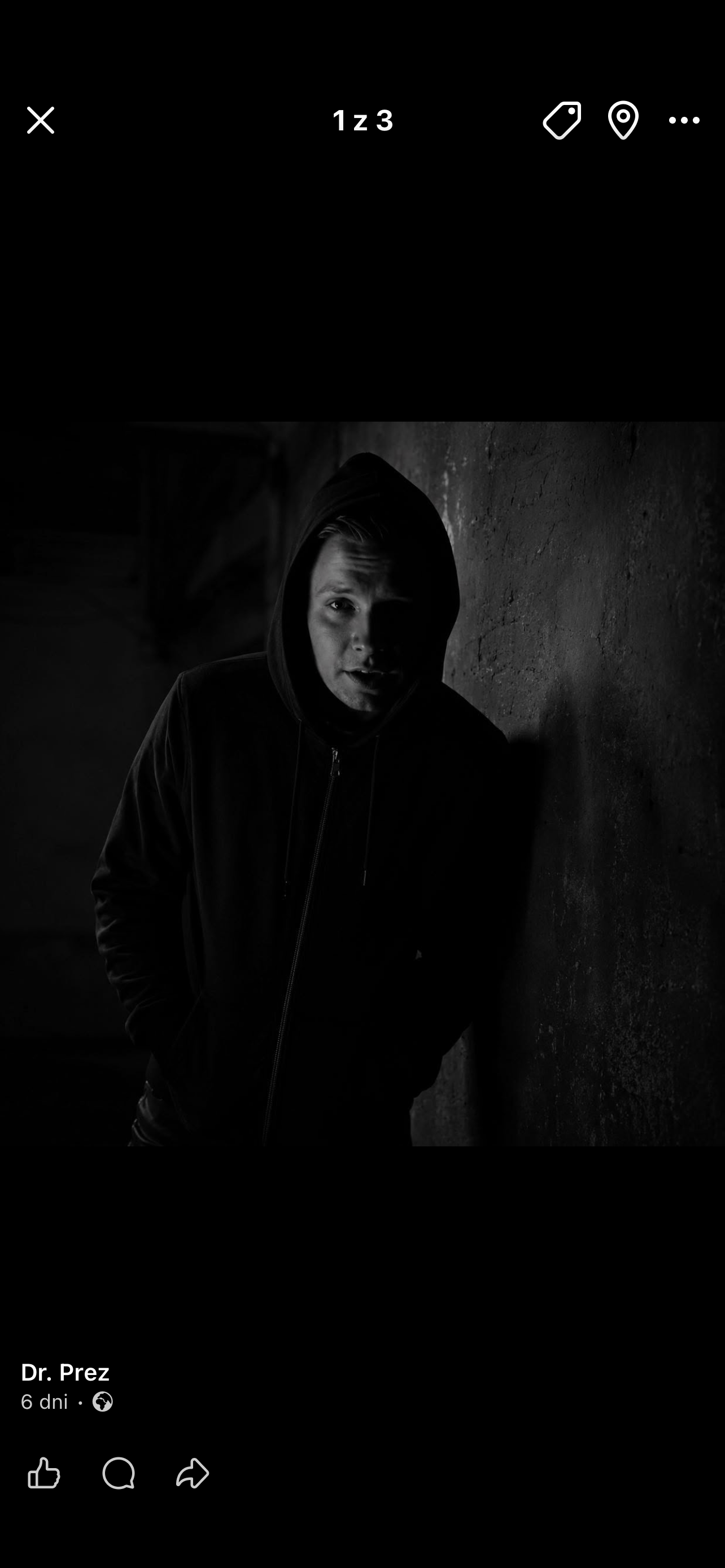
Dr-prez approaches those coordinates from a sharper, more theatrical angle. The Polish rap artist and storyteller works in a space where grim hip-hop, dark cabaret, social satire, and concept-driven narrative can share the same uneasy table. That mixture is not a novelty device; it is the foundation of an authorial voice capable of turning everyday absurdity into something comic, cinematic, and faintly menacing. Titles such as “Czerwony Lak,” “Cień na bruku,” and “Błoto i ruble” already suggest a world of color, pavement, mud, and material consequence—images with enough grit to make the boom-bap framing feel less nostalgic than forensic. Dr-prez’s instinct is to locate the bizarre pulse beneath the ordinary, then write toward it without sanding down its discomfort. Dark humor can easily become a shield, and satire can become a lecture; his stated commitment to storytelling points toward a more difficult balance, one in which the joke has stakes and the scene has shadows. Dr-prez treats rap not as a mirror held up to reality, but as a crooked lens that finally makes reality confess how strange it is. There is a disciplined audacity in choosing cinematic tension over easy relatability, in allowing the grotesque and the funny to occupy the same frame. With “Czerwony Lak,” “Cień na bruku,” and “Błoto i ruble” drawing substantial attention, Dr-prez has evidence that listeners will enter this particular universe. More importantly, he has the imaginative clarity to keep expanding it: a songwriter whose strongest weapon may be his ability to make unease feel vividly alive.
“Dr-prez treats rap not as a mirror held up to reality, but as a crooked lens that finally makes reality confess how strange it is.
Where odys8records shapes pressure through sonic engineering and Dr-prez turns it into narrative distortion, the next movement in this story finds its force in openness. Rap’s edge of visibility is not only occupied by artists making darkness denser or satire stranger; it also belongs to artists willing to make direct feeling their central proposition. That is a risk in its own right. Directness asks the song to carry emotion without hiding behind a conceptual maze, and it asks the listener to meet it halfway. The most convincing emerging work often understands that accessibility is not the same as surrender. A hook can be welcoming and still bear the weight of a private journey; a bright rhythmic surface can still hold a serious intention underneath it. The arrival matters most when the music sounds like it knows whom it hopes to reach.
Teeyicee’s music is grounded in that reach. Born Sunday Leo in Kafanchan, in Kaduna State, Nigeria, Teeyicee frames his artistic purpose around experiences, culture, personal growth, and the desire to connect through meaningful lyrics and distinctive sound. There is an admirable lack of distraction in that mission. On “sometime,” “chose,” and “FAITH 1,” he is not chasing complexity for its own sake; the Afrobeats and Afropop setting becomes a vehicle for clarity, uplift, and self-definition. “FAITH 1,” identified with the Afro-Pluto tag, is especially telling as a title: it positions belief not as a decorative sentiment but as an active creative resource. Teeyicee’s release momentum reflects an artist steadily putting his name beside ideas that listeners can carry with them—time, choice, faith. Those are large words, but they are also intimate ones, the vocabulary of someone documenting a path while still walking it. As an artist, rapper, and playlist owner, Teeyicee also seems alert to music’s social life: songs do not exist in isolation, but in the routines, conversations, and personal soundtracks of the people who find them. His ambition to make a lasting impact in Nigerian and global music is stated plainly, and that plainness is part of the appeal. Teeyicee is building from sincerity rather than posture, trusting that inspiration and entertainment do not need to be opposites. In a crowded field, that can be a powerful form of narrative control: the choice to let hope remain audible. Teeyicee’s voice is still defining its widest frame, but the intention behind it already feels focused, generous, and built for connection.
That willingness to name the dream separates arrival from mere exposure. The most persuasive artists do not pretend that hustle, faith, or ambition are uncomplicated; they give those words shape through repetition, tone, and committed releases. It is a thread that also reaches toward tnxmusic-, where Tebogo Matsei and colleague Xolile Make bring artist development, singing, production, management, marketing, and PR-minded collaboration into the same independent-facing vision. Their broad, genre-flexible outlook offers a useful reminder that creative momentum is often sustained by more than the person at the microphone. For the artists in this section, pressure is personal, but it also becomes practical: a release must be made, a sound refined, an audience invited in again. The work is not simply to be seen. It is to make being seen mean something.
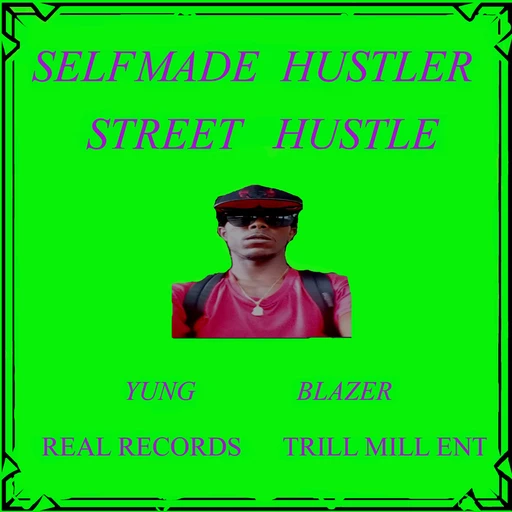
Yungblazer1 brings that meaning back to the vocabulary of endurance. His project titles—Time is Money$, Selfmade Hustle/ Street Hustle, and the forthcoming third installment Street Money$—do not disguise the thematic engine: time is finite, labor is personal, and momentum has to be earned. But the titles alone would mean little without musical contrast, and the featured tracks show Yungblazer1 working across multiple pressure settings. “Blazin High (freestyle),” from Street Money$, carries the looser promise of melodic trap, where a freestyle frame can let instinct take the wheel. “Big Money$ Remastered Yung Blazer,” also tied to Street Money$, foregrounds hard trap and, crucially, the act of revisiting material in remastered form—a signal that refinement matters as much as initial impact. Then there is “Come Round Drill Yung Blazer,” a UK drill entry from Time is Money$, which places another texture inside the broader Yung Blazer identity. Yungblazer1 is an artist, rapper, and producer/beatmaker, and that multi-role position gives his hustle theme added credibility: he is not merely narrating self-made determination, but carrying creative responsibility across the process. His music speaks in the language of money and streets because those words hold urgency, not because urgency needs an excuse. Yungblazer1’s strongest quality is his commitment to continuation—the sense that every release is part of an ongoing ledger of effort, polish, and self-belief. At the edge of visibility, that persistence is its own kind of arrival: not a single flash of attention, but the deliberate decision to keep putting another statement on the record.
At the edge of visibility, momentum is less a finish line than a discipline: teeyicee- channels the perspective of an emerging Nigerian artist into Afrobeats and Afropop releases that frame personal growth, everyday experience, and ambition as part of the work itself. In that space, tracks such as “sometime,” “chose,” and “FAITH 1” suggest an artist building recognition through consistency and self-definition—turning each new release into another opportunity to make a distinct voice harder to overlook.
Melody, Memory and Emotional Force
Breakout pressure can make an artist chase volume, but thatrapperzigzag treats it as a reason to speak with greater consequence. The Greenville, South Carolina rapper, vocalist and singer brings the perspective of someone who is not trying to airbrush the hard lessons out of his story. At 37, he frames his work around growth, maturity, his outlook on life, and a belief in Jesus Christ and God—not as separate subjects competing for space, but as the moral weather around everything he says. That gives a release like “It’s Simple” a sharper edge than its money-minded refrain initially suggests. “I just get to the money! Man, it’s simple!” is delivered as a declaration of focus, while the image of jewelry “colder than December” supplies the flash. Yet in the broader context of thatrapperzigzag’s stated mission, ambition is not presented as empty display; it is part of a life being accounted for in public. “Zig Zag Psycho” pushes toward a trap-influenced designation, while “ZigZagInTheWay” directs its energy at haters and so-called friends who obstruct rather than assist. Those are familiar adversaries in rap, but the significance here is in the artist’s refusal to leave the grievance unexamined. thatrapperzigzag wants people to learn from his mistakes. The songs, then, become less like isolated flexes than entries in an ongoing testimony: pressure arrives as temptation, betrayal, hunger, memory, and the decision to keep one’s values intact. The most convincing arrival stories are not about becoming untouchable; they are about refusing to let the touch of the world erase your purpose.
“The most convincing arrival stories are not about becoming untouchable; they are about refusing to let the touch of the world erase your purpose.
That purpose changes the temperature of momentum. A new release is often treated as a demand for immediate attention, a shot fired into an overcrowded feed. But the artists who endure understand that attention is only useful when it has something to attach itself to: a voice, a conviction, a recurring emotional truth. There is power in the way a song can carry an artist’s life without becoming a résumé of suffering or achievement. It can make a listener feel the strain behind the polish, the faith behind the bravado, the patience behind the next move. This is where genre becomes less a border than a container. Hip-hop’s candid confrontation, Afropop’s melodic invitation, club music’s instinct for communal release, gospel’s insistence on hope—each offers a different route into the same essential question: what do you do with the pressure once it finds you? The answer is not always louder. Sometimes it is simply more memorable.
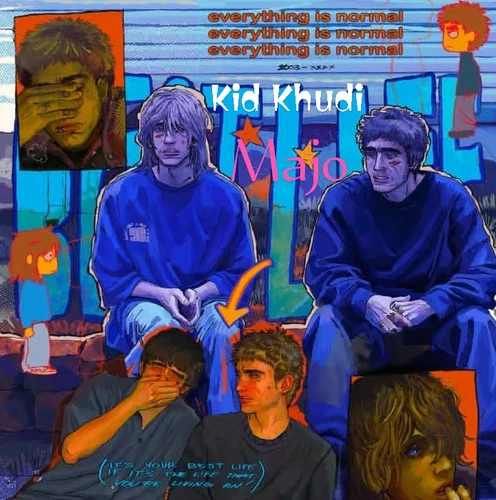
For kidkhudi, memory begins in the body: in the hook that stays put, in the rhythm that turns a passing listen into a return visit, in the Afropop instinct to make warmth feel immediate. His catalogue’s central names—“Majo,” “Steady,” and “Blow,” alongside the bio’s mention of “Matter” and “Shawdy”—read like compact invitations, titles built for recall before the first full phrase has even landed. But kidkhudi’s creative proposition is larger than catchiness for its own sake. He places Afropop sensibilities beside raw, magnetic energy, pairing the traditional warmth of African grooves with a sleek contemporary pop outlook. That combination matters because it makes accessibility feel like an artistic choice rather than a compromise. His melodies are meant to enter the room; his rhythmic sensibility is meant to keep the room alive. “Majo,” “Steady,” and “Blow” have each drawn substantial listener attention on the platform, evidence of music that has found a receptive audience through repetition and feeling. Yet kidkhudi’s own message is admirably direct: keep listening, keep streaming, and he will keep delivering for the people who genuinely love the music. There is no false mystique in that promise. kidkhudi understands the reciprocal nature of an anthem—the artist supplies the spark, but the audience turns it into a shared possession. In a period when Afrobeats travels globally while constantly being asked to explain itself, his work answers through motion, melodic assurance and cultural pride. It does not stand outside the genre’s ascent waving for recognition; it inhabits its infectious spirit with enough confidence to give that spirit another shape.
Melody’s real authority is that it can carry feeling across details that words alone cannot fully settle. A refrain can hold flirtation, longing, confidence, celebration, worry and release in the same small space, letting the listener decide which part belongs to them. That is why a song built to move people is not necessarily lightweight; dance can be a form of recollection, and repetition can be a form of emotional insistence. The cross-genre openness of artists such as aslamicoo, a rapper, singer and songwriter open to work across musical styles, points toward a wider creative condition: artists are increasingly refusing the false choice between local identity and expansive possibility. The strongest work retains its source while allowing the listener room to enter. It gives the crowd a chorus, but it also leaves a fingerprint.
crystal789 approaches that fingerprint through accumulation: more than 100 songs created, a young vocalist and songwriter’s instinct to keep building, and a stated commitment to true-life stories, everyday experiences and future expectations. There is an important restlessness in that framing. crystal789 is not presenting songwriting as a static confession booth; the songs are places where what has happened and what might happen can meet. “At your house,” the track the artist identifies as especially loved by followers, carries the charged specificity of a location rather than an abstraction. Even without overexplaining its scenario, the title suggests intimacy and immediacy—the kind of phrase listeners can project themselves into, then repeat back as though it were their own memory. But crystal789’s range is equally important. “Bedrock Anthem (bi mo ba ni jesu)” arrives in gospel territory with an unmistakable statement of belief: if I have Jesus, I have hope and I have it all. “001 one cock,” meanwhile, is categorized as country trap. The contrast is not a gimmick; it reveals an artist willing to follow a story wherever its emotional logic leads, whether that means a floor-filler, an anthem of faith, or a genre-crossing trap record. As a vocalist, singer, artist and DJ, crystal789 has the makings of someone who thinks not only about writing the song but about how a song lives around people—how it enters a set, a conversation, a private late-night replay. crystal789’s followers have already signaled their connection to “At your house.” What makes that response meaningful is the artist’s deeper claim: these songs come from lived experience, but they are written with enough openness to become somebody else’s soundtrack, too.
There is a special kind of creative pressure in refusing to be reduced to one lane. Audiences often ask an artist to repeat the first thing they recognize, while the artist is still discovering the full size of their own voice. The wiser response is not to reject connection but to deepen it—to let each release reveal another use for the same core conviction. A story can become a club record; a prayer can become a chorus; a social wound can become a call for collective responsibility. This is not inconsistency. It is emotional range, and it asks more of both the creator and listener. Arrival, in that light, does not mean simplifying the message until it travels easily. It means finding forms expansive enough to carry everything the message needs to say.
TNX MUSIC embodies that expansive instinct from inside the work itself. Tebogo Matsei operates as director, manager and artist alongside colleague Xolile, also a director and artist, bringing more than a decade in the music industry to a practice that includes singing, marketing, production and artist management. That breadth is not background information; it shapes the seriousness of TNX MUSIC’s outlook. This is an artistic project attentive to how music is made, presented and carried outward, with a stated interest in marketing, PR and collaboration with artists and producers beyond its immediate circle. More crucially, the featured material makes a case for music as both spiritual shelter and civic speech. “Modimo wa boikanyo” is a declaration of trust in God: the God who was with forefathers and remains unchanged by situations. In a culture that can confuse urgency with disposability, that message offers a different kind of force—steadfastness. TNX MUSIC turns faith into an active language of endurance rather than a decorative label. Then “Masibambaneni” widens the lens with its call for Africans to come together against gender-based violence, the killing of children, violence against brothers and sisters, and xenophobia. It is a song title and concept built around solidarity, one that understands togetherness as work rather than sentiment. “Pula tsa letlhogonolo,” also placed in gospel, further affirms the project’s comfort with spiritual expression. TNX MUSIC’s strength lies in this refusal to separate a song’s feeling from its responsibility. Whether moving through Afropop or gospel, the project sees music as a meeting point: between maker and audience, faith and daily struggle, professional knowledge and human care. TNX MUSIC does not merely ask to be heard; it gives listening a reason to matter.
Melody becomes memory when an artist treats each release as more than a moment of exposure: it becomes a vessel for conviction, community and emotional recall. For tnxmusic-, that connective force moves between the devotional grounding of “Modimo wa boikanyo” and the collective appeal of “Masibambaneni,” where music is positioned not simply as entertainment but as a space for solidarity, reflection and shared purpose. In that balance of gospel feeling, Afrobeats energy and message-led songwriting, breakout momentum is shaped into something more lasting—a creative identity that asks listeners to feel, remember and respond.
Rhythm as a Route Forward
Breakout pressure is often described as a race for attention, but the artists who endure it understand a harder truth: attention without self-definition is just another form of disappearance. For problo-methscobars, the demand is more elemental than visibility. He wants to be heard, not merely noted; he wants his flowers before the story is sealed by somebody else’s assumptions. That urgency runs through the title language alone—Edgarallenpose, diewhileistillsmile, Choicesthatwechews—which reads less like a campaign of easy slogans than a ledger of wounds, observations, and choices. A boom-bap framework gives him room to make the record of a life feel tactile: the hard edges of poverty, homelessness, hustle, loss, fatherhood, and a view of human behavior formed by having seen too much self-interest win too easily. But his work is not reducible to suffering. It is animated by an insistence that the person who survived the circumstances gets to narrate them. On Edgarallenpose, billed as a reality-painted diatribe from an underdog, problo-methscobars approaches rap as testimony with its guard up. On diewhileistillsmile, the title itself turns endurance into a grimly lucid posture: not defeat, but the refusal to surrender one’s interior life to what has happened. His most pointed philosophy may be the simplest: life is whatever you do, and the work is to avoid becoming another person’s build. The route forward begins when an artist stops asking permission to tell the truth in their own handwriting. problo-methscobars writes from that conviction, treating the pen as both evidence and exit—a tool for leaving a carbon footprint that cannot be erased.
“The route forward begins when an artist stops asking permission to tell the truth in their own handwriting.
That kind of authorship matters because pressure can tempt an artist toward the most legible version of themselves: cleaner backstory, softened language, pain converted into a marketable mood. Yet the stronger route is often the one that preserves friction. In rap, a voice does not become memorable simply because it announces hardship; it becomes memorable when it gives hardship an architecture, a vocabulary, a rhythm that could belong to no one else. The boom-bap pulse shared by so many independent lyricists remains valuable for precisely this reason. It can carry density without rushing the listener past it. There is a parallel, in a very different corner of rap, to the regional and linguistic self-possession represented by mrquake21 and his Xhosa mumbling trap: a refusal to flatten identity into something pre-approved for easy consumption. For problo-methscobars, the resistance is personal and philosophical. “Mold,” in his formulation, is darkened, dampened, stagnant—the enemy of art. That image offers a useful lens for the entire section. Arrival is not a matter of fitting the mold more convincingly. It is the moment an artist makes their particular pressure audible enough that the mold no longer applies.
LILITHR3QUIEM takes that refusal into another register entirely, one where percussion can feel like a procession and melody can function like a warning flare in fog. Her dark-alt instrumental world is built from gothic emotion, cinematic precision, melancholy, ritual, decay, and rebirth; these are not decorative terms in her work but the emotional materials of the construction. LILITHR3QUIEM’s stated angle—breaking the veil, breaking the cycle—casts her music as a counter-strike rather than a confession. That distinction is vital. The tension in tracks such as Holy Ghosts and Hold Me Close And Don’t Let Go is not there to invite passive sympathy. It creates a space in which beauty can be sharpened into resolve. Holy Ghosts, with its blend of emo-rock sensibility, orchestral elements, and haunting violin, gives the divine and the ghostly equal weight, as though transcendence and aftermath are sharing the same room. Hold Me Close And Don’t Let Go harnesses strings for a more intimate kind of gravity, letting its title communicate need without collapsing into fragility. And then there is Stolen From My Arms, a slow-burn work of grief, separation, paperwork, empty rooms, and the echo of a child’s name—yet one that refuses the false drama of surrender. Its stated movement from quiet devastation into a vow of resistance gives LILITHR3QUIEM’s instrumental practice a narrative force that many vocal records never achieve. The track is not asking to be handled delicately; it is confronting the cold machinery that can injure a family while honoring the love that keeps fighting. LILITHR3QUIEM understands that an instrumental can say “no” with enormous clarity. Her sound does not soften its edges to become acceptable. It weaponizes them, then finds a strange, elegant light inside the shadow.
The transition from a rapper’s soliloquy to an instrumental producer’s ritual may seem wide, but both approaches reject the shallow demand for instant comprehension. problo-methscobars wants the listener to sit with a life rather than skim its headline; LILITHR3QUIEM asks the listener to inhabit atmosphere as argument. Both make form answer to pressure. One uses the grain of the voice and the moral force of the written line; the other makes strings, silence, and cinematic pacing carry what language may fail to contain. This is where creative control becomes more than branding. It becomes an ethical choice about what will not be translated away. In a culture that regularly asks artists to make difficult stories tidy, their work insists on texture: the unpolished thought, the lingering note, the uncomfortable space after the damage is named. The result is not obscurity for its own sake. It is a more serious invitation—to listen long enough for the shape of survival to reveal itself.
Vynum King answers pressure with a different kind of command: the confidence of an artist who knows that a rhythm can be social without being shallow. Rooted in modern Reggae and Dancehall while drawing strength from foundation vibes, Vynum King brings sharp lyrical delivery and mature perspective to songs designed to move through multiple rooms at once—the airwaves, the club, and the private listening space where a line about loyalty lands a little harder. His featured tracks form a compact statement of values. NO BAGA MAN, explicitly about not having a lot of friends, turns selectiveness into an anthem rather than an apology. In a world that routinely measures success by proximity and access, Vynum King proposes discernment as strength: not every person around you belongs in the circle. That idea expands in Real Friends, whose remix framing underscores the persistence of the question. Who remains when the energy changes? Who is real when the performance ends? Then DAY AT A TIME adds the spiritual ballast, locating hard work inside an effort to believe God one day at a time. These are deceptively durable themes because they are lived themes—friendship, faith, work, self-respect—and Vynum King gives them the rhythmic lift that keeps them from becoming lectures. His artistry lies in the bridge he builds: classic reggae’s grounding principles meeting a contemporary energy that understands immediacy. Vynum King does not present authenticity as a costume borrowed from the culture; his songwriting treats it as a responsibility. The groove may be infectious, but the perspective is earned. By putting real-life experience at the center, Vynum King makes the danceable feel substantial, and makes substance feel like something listeners can carry with them.
Rhythm, in that sense, is not escapism. It is a route forward. It can organize a crowded mind, turn a boundary into a chorus, or give belief a physical motion when certainty is unavailable. Where LILITHR3QUIEM’s strings turn grief into a rising architecture, Vynum King’s reggae and dancehall sensibility turns perseverance into communal momentum. Where problo-methscobars examines the damage done by corrosive social patterns, Vynum King’s songs put trust under a brighter but no less searching light. The contrast is productive: different genres, different emotional temperatures, one shared refusal to let pressure dictate a lesser version of the work. This is the deeper arrival taking place across independent music. It is not just the accumulation of plays, views, or downloads, though those signs of listener contact matter. It is the consolidation of an artistic center—the moment when a creator’s themes, sound, and purpose begin speaking to one another loudly enough to make a world.
dreamcatchertkfromtwinkillaz enters that world with the raw pulse of underground hip-hop intact: no interest in sanding down the grit, no obligation to make the hustle look glamorous from a safe distance. As both artist and producer/beatmaker, dreamcatchertkfromtwinkillaz works from the inside of the sound, pairing classic boom-bap grit with modern intensity and keeping the beats close to the pressure of the bars. His standout Mr. Indica has the premise of a theme song for marijuana, but the record’s larger significance is its sense of atmosphere: a dark, unapologetic entry point into a catalog concerned with survival, ambition, and the unvarnished mechanics behind a dream. The high-energy throb described in his work is not mere adrenaline; it is the engine of a style that wants listeners to feel the room closing in and the resolve pushing back. Weight, positioned in a West Coast frame, suggests another facet of his approach: the willingness to let regional rap language and underground sensibility coexist rather than compete. Bluntz UP, tagged old-school hip-hop, reinforces the lineage-consciousness in dreamcatchertkfromtwinkillaz’s music. He is not chasing polish for its own sake. He is using the grain of older rap forms—the beat’s knock, the directness of the voice, the force of repetition—to make present-tense pressure hit harder. dreamcatchertkfromtwinkillaz’s arrival is therefore not an appeal to mainstream approval but a declaration of self-placement. His flow is built to slice through noise because the work refuses to confuse smoothness with truth. In the company of problo-methscobars’ hard-won testimony, LILITHR3QUIEM’s shadow-lit resistance, and Vynum King’s culture-minded uplift, he completes a compelling argument: breakout pressure can fracture an artist, or it can become the exact force that makes their signature impossible to miss.
Rhythm becomes a route forward when an artist treats momentum not as a passing spike but as a space to sharpen perspective. For vynumking-, that means grounding forward motion in the lived-in pull of reggae and dancehall: sharp lyricism, infectious rhythmic command, and storytelling that makes room for loyalty, perseverance, and cultural uplift. Whether navigating the guarded social lens of “NO BAGA MAN,” revisiting connection on “Real Friends,” or leaning into faith and effort on “DAY AT A TIME,” he frames conviction as its own kind of visibility—one built patiently, one record and one honest refrain at a time.
The Refusal to Be Background Noise
Breakout pressure can make an artist louder; the more consequential response is to become harder to reduce. For gasboy-vibes, that refusal begins with the fact that the music will not stay in one emotional temperature. Under the name Gas Official, he frames Afro Hip-Hop, Afrobeat, rap, and melodic storytelling as parts of the same lived language: the language of striving, of street-level calculation, of faith tested by pain, of hope that has had to earn its place. “Todo Controlado” arrives as the most forceful expression of that stance. Its heavy drums, sharp bars, and high-energy trap construction are built around confidence and command, but the idea of control carries more weight here than a routine victory lap. It is about owning one’s grind amid uncertainty, about claiming authorship over a life that might otherwise be narrated by struggle. Then gasboy-vibes turns the emotional lens inward on “Why God,” a trap-soul lament whose very premise is an argument with suffering—personal loss, betrayal, injustice, the scale of pain that leaves a person asking questions no polished slogan can answer. “Glizz,” meanwhile, channels survival and ambition into dark-trap focus: fearless, alert, ten steps ahead. These are distinct modes, but they belong to the same artist’s pursuit of a real vocabulary for endurance. Gas Official’s conviction is that resilience does not have to sound sanitized. It can hit with rhythm, carry a memorable hook, and still preserve the scar tissue. The refusal to be background noise is not always a shout; sometimes it is the decision to make every triumph answer to the struggle that preceded it.
“The refusal to be background noise is not always a shout; sometimes it is the decision to make every triumph answer to the struggle that preceded it.
That distinction matters in a culture that often mistakes immediacy for depth. A release can catch the ear in seconds, but arrival is something else: the sense that the artist has placed a worldview inside the beat. gasboy-vibes understands the hook as an entry point rather than an escape hatch. His stated mission—real stories, real vibes, real music—becomes persuasive because the material holds both the uplift and the ache. He does not treat African cultural celebration and modern urban life as separate lanes, nor does he turn personal growth into an abstract, inspirational blur. Instead, the tension remains audible: control beside doubt, hard-earned confidence beside the question of why pain happens at all. That is the kind of narrative control breakout pressure demands. It is not enough to announce belief in oneself; the music has to show what that belief has survived.
ap-boogie approaches that same pressure through radical emotional legibility. Anthony Pomenta’s writing is rooted in true events and situations, and the value of that choice is not merely confessional. He uses personal struggle, heartbreak, and recurring emotional chaos to make rap feel like a room in which listeners are permitted to recognize themselves. There is an unusual openness in the way ap-boogie describes his aim: he wants the listener to hit that immediate point of recognition—I have felt that; I am in that now. His conscious-rap framing gives the songs an ethic of direct address, while his magnetic flow and upbeat, anthem-minded instincts keep the work from being trapped inside its own heaviness. “EVERYTHING THAT I NEED,” made with Brink, narrows the focus to reciprocal love: two people becoming the support they need. “LEADING SHINING TEAM,” another song with Brink, makes that devotion public and celebratory, an insistence that partnership can be a source of strength worth singing outward. Yet “Angel With a Devil Grin,” attached to his new album, hints at the dualities that make his writing more than romance in simple colors—the angelic and the dangerous, attraction and complication, tenderness shadowed by experience. Having spent time moving through different places, including overseas in his youth, and having found his outlet for music and expression while incarcerated, ap-boogie does not present testimony as decoration. He presents it as the source of his voice. ap-boogie’s songs ask for connection without pretending connection is easy.
There is a crucial difference between vulnerability as content and vulnerability as craft. The former gives an audience a fact; the latter gives them a feeling they can inhabit. ap-boogie is after the latter, shaping difficult experience into hooks and situations with enough clarity to be carried by someone else. That clarity is also what links his work, unexpectedly, to skrap-skrilla’s hard-edged documentation of pain, hustle, ambition, and survival. Where $krap $krilla emphasizes relentless wordplay and pressure-hardened precision, ap-boogie lets emotional aftermath remain close to the surface. Both understand that authenticity has force only when it is made specific. In each case, the music refuses the convenience of a generic struggle narrative. It insists on the details that make survival human: the relationship, the conflict, the hope, the choice to keep speaking.
Ruby Hayes takes the pressure to define oneself and makes it a question of permeability: what if music can move through the club, the pop space, the inspirational register, and the contemporary Christian tradition without leaving its core conviction behind? Also known as K’Mille, Ruby Hayes is a singer, songwriter, author, and actress whose creative range informs a genuinely crossover-minded musical identity. Her stated belief in music as ministry is essential here, not as a branding device but as an artistic standard. She is pursuing songs that minister to the soul while retaining the muscular pleasures of groove, melody, and motion. “Alter Club Mix KMille” makes that case in immediate physical terms: high-energy, danceable, hook-driven, and designed to make the body answer before the mind has finished categorizing it. “KMille Alter My Perception Radio” extends the idea through an energetic electronic Dancehall Pop groove; even the title suggests a desire to shift the listener’s internal angle, not simply occupy their attention. Then “Love is Standing by my Side” brings the spiritual and the accessible into close contact, folding contemporary Christian feeling into an adult-contemporary R&B/pop twist. Ruby Hayes does not act as though devotion and pleasure are opposing forces. Her music proposes that uplift can be rhythmic, that a deep thought can arrive with a groove, and that a lyric of conviction can meet audiences in both secular and Christian circles without diluting itself. Ruby Hayes’s crossover instinct is less about crossing boundaries for their own sake than about refusing to let boundaries decide who gets to receive the song.
That refusal expands the section’s idea of arrival. Not every artist forces their way into view by increasing the volume or narrowing the image. Sometimes the bolder move is to protect complexity when the market rewards simplification. Ruby Hayes’s work is built to outlast temporary flash precisely because it treats form as a vessel for meaning: club energy can carry a message, electronic sheen can frame reflection, and inspirational writing can still hold a strong pop instinct. Her parallel work across dramatic multimedia productions also points to a creator thinking beyond the isolated track, toward music as part of a larger emotional world. In that sense, K’Mille’s songs do not ask permission to belong in multiple rooms. They arrive already aware that different rooms need different doors—and that the same conviction can walk through all of them.
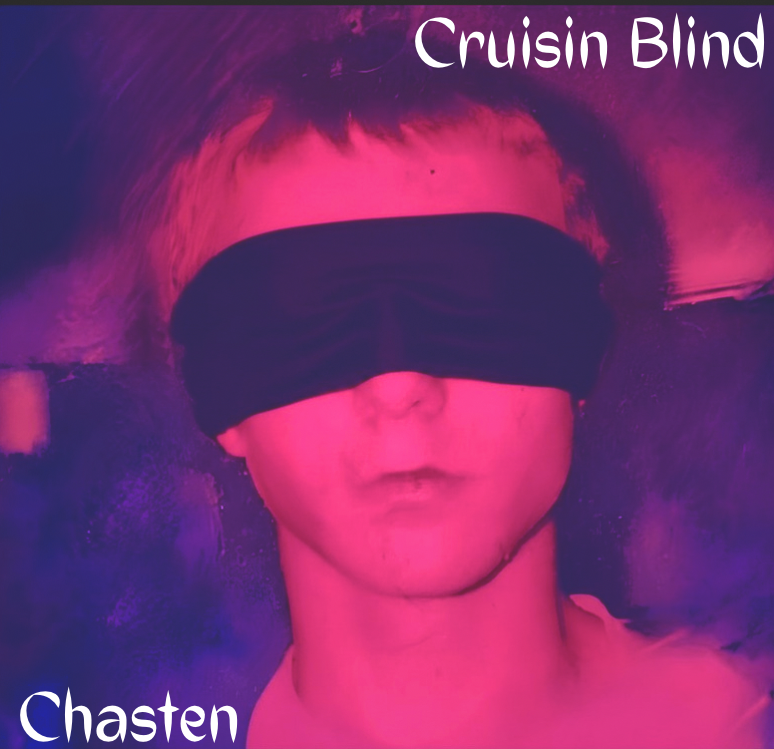
Chasten closes this sequence with a compact declaration that feels less like a bio than a working creed: music is life, and the work will continue for as long as life does. There is no elaborate mythology attached to it, which is exactly why the music carries the pressure of proof. Chasten is an artist, songwriter, and live performer/MC whose featured releases sketch a compelling three-part tension between material focus, interiority, and public consciousness. “Money On Our Minds,” filed under alternative rap, has the plainspoken title of an artist willing to confront the thought that can dominate a life without pretending it is noble or neutral. “Behind My Walls Acoustic” pivots toward exposure; the phrase suggests private barriers, while the acoustic framing strips the concept toward something more intimate and unguarded. Then “Land Of The Free,” tagged East Coast hip-hop, widens the aperture from the self to the promise implied by a national phrase. Even without overexplaining these songs, Chasten’s titles create a map of what hip-hop can hold: ambition, inner confinement, and the uneasy question of freedom. The substantial listener engagement around all three tracks underscores a real appetite for that range, but the stronger point is artistic: Chasten does not seem interested in choosing between a track that moves and a track that means something. Chasten’s commitment to “dope shit” becomes more revealing when read beside this body of work. It is not a careless slogan; it is a demand that the craft stay alive, emotionally honest, and broad enough to contain the private room as well as the larger world outside it.
For rubyhayes, refusing the background means treating crossover not as a compromise but as a conviction: whether moving through club-ready energy, electronic groove, or inspirational pop and gospel-inflected songwriting, she centers lyrics designed to linger beyond the first rush. Her work as Ruby Hayes, also known as K’Mille, frames momentum as an opportunity to make meaning—bringing a singer, songwriter, author, and actress’s sense of drama to music that asks listeners to move, reflect, and stay tuned for what comes next.
Arrival Without Permission
Pastor Lastone Zulu understands arrival as a responsibility before it is a spotlight. His gospel R&B carries the plainspoken gravity of someone who has lived inside the stories he is telling: village life, school life, Christianity, the formative closeness of growing up with his sister and brother, and the loss of a father remembered in song. Born in Lusaka, educated in Eastern Province through primary and secondary school, composing since Grade 8, and later attending Bible College at City of Life Institute in Lusaka’s Matero West, Zulu brings a biography of gradual conviction to his releases. “EVANGELIST L.ZULU_Christian nation” does not approach faith as a decorative theme; it is framed as a reminder to Zambians of their covenant with Jesus Christ, a communal summons delivered through the accessible emotional language of gospel R&B. “JEHOVAH NISSI” intensifies that declaration, its purpose openly devotional: glorifying God and affirming worship without compromise. Yet “Tribute to my father” reveals another essential side of Pastor Lastone Zulu: the singer as keeper of memory. Its classic-soul designation matters. This is not only praise music but remembrance music, shaped by the ache of a father who died while his children were young. Pastor Lastone Zulu does not use music to escape his testimony; he uses testimony to give the music its undeniable weight. His ambition to speak across Africa and outward into the world feels most persuasive because it begins with particular commitments—family, country, faith, and a voice willing to make all four audible.
“Pastor Lastone Zulu does not use music to escape his testimony; he uses testimony to give the music its undeniable weight.
That kind of directness is a form of narrative control. In an era that often mistakes vagueness for universality, the artists forcing their way into view are frequently the ones who know exactly what their work must carry. A release can be a statement of belief, a document of grief, a beat designed to unsettle a room, or a rap verse that refuses to let social conscience become a slogan. The common pressure is not simply to be heard; it is to make the first impression durable enough to survive the speed of the feed. Pastor Lastone Zulu meets that pressure through spiritual witness, allowing his life background to supply the emotional architecture rather than hiding it behind polish. That same insistence on purpose reappears elsewhere in a very different musical vocabulary: hip-hop that treats flow as a tool for speaking clearly about the world it inhabits. Even crystal789’s observation that listeners have responded strongly to “At your house” points to the same larger truth: audiences can sense when an artist has located the song’s live wire. Momentum begins there—not in noise, but in recognition.
For aslamicoo, that live wire is the meeting point of rhythm, self-definition, and social principle. The KwaZulu-Natal, Newcastle rapper, singer, and songwriter—also known as Sibusiso Nene—moves with the self-contained confidence of an artist who composes and produces his own new material. That creative ownership is more than a credit line: it gives his catalog the feeling of a voice building its own frame, deciding how its arguments land and where its melodies should open the door. On “Justice&Peace,” aslamicoo makes the title a mandate, centering justice, peace, and equality across gender and race. Christian rap can easily be flattened by listeners who expect either sermon or spectacle; his approach suggests a third route, where moral seriousness has cadence and conviction has a pulse. “ASLAMICO-ASIDLALI LAH,” categorized as alternative rap, turns the lens inward, concerning himself and his view of what surrounds him. That shift is important. A socially minded artist earns greater force when he can also render perception—when the public statement is inseparable from a private way of seeing. Then there is “Cishe Nga Posta,” filed under melodic trap, another indication that aslamicoo is not treating genre as a fixed room. He can rap, sing, and work across forms without making versatility feel like distraction. Having received recognition in the KwaZulu-Natal region as a best upcoming artist, he has evidence of local regard; more importantly, the music points toward an artist intent on making that regard mean something. Aslamicoo’s arrival is not built on empty urgency. It is built on the proposition that good flow should carry a point of view, and that a song available everywhere should still sound rooted in somebody’s real concerns.
There is a productive difference between the witness of Pastor Lastone Zulu and the social address of aslamicoo. One works from covenant, remembrance, and praise; the other from equality, self-assessment, and rap’s capacity for public speech. But neither mistakes reach for dilution. Both understand that a broad audience is reached by sharpening the core of the message, not sanding it down. Their releases insist that conviction can be musical rather than merely declarative: Zulu’s gospel and soul coordinates offer consolation with backbone, while aslamicoo’s rap framework makes room for both conscience and character. The wider lesson is that pressure can clarify an artist’s choices. When there is no appetite for generic introduction, a creator must establish a sonic identity before the listener has time to scroll away. Sometimes that identity arrives in a voice; sometimes it arrives before any vocal at all, through the ominous first seconds of a beat that tells an artist exactly what kind of performance it demands.
SeanOnDaBeat operates in that charged pre-vocal space, where production is not background but instruction. His stated focus—hard-hitting drums, eerie melodies, and 808s that rattle the ground—could describe a trap template in lesser hands; in SeanOnDaBeat’s framing, it becomes a disciplined set of materials. Atlanta trap is an acknowledged influence, as are global club sounds, but the aim is not imitation. It is propulsion: pushing the genre forward one beat at a time, through sound design that asks for a physical response. “Like me,” set in C minor at 140 BPM, announces the dark-trap side of his sensibility with exactly the elements that define his aesthetic: forceful low end and melodies designed to cast a shadow over the drum pattern. “Energy” moves into hard trap with a title that reads less like description than demand. A track like that must earn its name through impact, and SeanOnDaBeat’s commitment to drums and ground-rattling 808s gives it a clear function: it is built to put pressure on the rapper, the speakers, and the room. “Feelings,” in A minor at 140 BPM, offers a useful counterpoint. Described simply as “nice and simple,” it signals that SeanOnDaBeat knows restraint can be as valuable as maximal impact. Simplicity in dark trap is rarely emptiness; it is space with consequences, leaving a vocalist exposed enough to sound urgent. As a producer and mixing/mastering engineer, SeanOnDaBeat is thinking beyond the beat’s initial spark toward how it holds together as a finished listening experience. SeanOnDaBeat’s best argument is embedded in his method: atmosphere is not an accessory to rhythm—it is the pressure system that makes rhythm feel inevitable.
The producer’s role complicates the mythology of arrival in the best way. A rapper may stand at the front of the record, but a beatmaker can determine the weather around every word: the tension, the pace, the available emotional temperature. SeanOnDaBeat’s dark harmonic palette has little in common on the surface with the devotional warmth of Pastor Lastone Zulu or the issue-driven fluency of aslamicoo, yet all three are working from a belief that sound should declare intent early. That is why the current independent landscape rewards artists who treat every component as authorship. The song is not merely uploaded; it is positioned. Its drums, titles, themes, tonal choices, and point of view all become part of the introduction. For a lyricist coming from an East Coast rap orientation, that idea takes another form: not atmosphere before language, but language sharpened until it can stand as an event in itself.
Bussft enters that event with the unapologetic scale of someone treating the present tense as historical evidence. His bio calls the music a testimony and speaks of timeless work still to be made, inviting listeners into “history in present time.” That is a grand claim, but the featured titles show how bussft intends to substantiate it: through truth-speaking, familial connection, and strategic disruption. “spoken Truth,” an East Coast hip-hop record, is presented with bracing clarity—exactly what the title says—and with a desire to open up what a true artist can be in the genre. There is no coyness in that stance. Bussft understands rap as a place where the artist’s credibility is built line by line, through the willingness to say what cannot be softened. “Doin It” expands the picture through a feature from his son, YMS Bizzy, and production by A2 ON the Beat. The detail gives the track an intergenerational charge: not simply a collaboration, but a record in which lineage becomes part of the music’s forward motion. Then “Element of surprise” frames return itself as a tactic, tying its promise of unpredictability to Fatal Thoughts ENT LLC. Across these releases, bussft does not present himself as asking for a place in rap’s conversation. He writes from inside the conviction that he has a story the form still needs. Bussft’s pressure is therefore self-imposed and exacting: make the testimony timeless, make the timing count, make every release prove that the return carries consequence. In a section defined by artists refusing to wait for permission, bussft supplies the closing credo—truth spoken plainly, family folded into the work, and surprise reserved not for a gimmick but for the next decisive move.
Arrival does not always announce itself with a single sound; sometimes it arrives as testimony, sometimes as pressure in the low end. For pastor-lastone-zulu-, the movement from Lusaka and formative village, school, and Christian life into gospel and soul-rooted songwriting gives release momentum a personal center—songs of covenant, devotion, and remembrance that insist on faith and memory as public language. seanondabeat-, meanwhile, channels a different kind of conviction through hard-hitting drums, eerie melodies, and ground-rattling 808s, drawing Atlanta trap and global club energy into beats built to command a room. Together, they clarify the feature’s larger argument: breakout force is not one genre or one route to visibility, but the resolve to make an unmistakable world and let the audience meet it on its own terms.
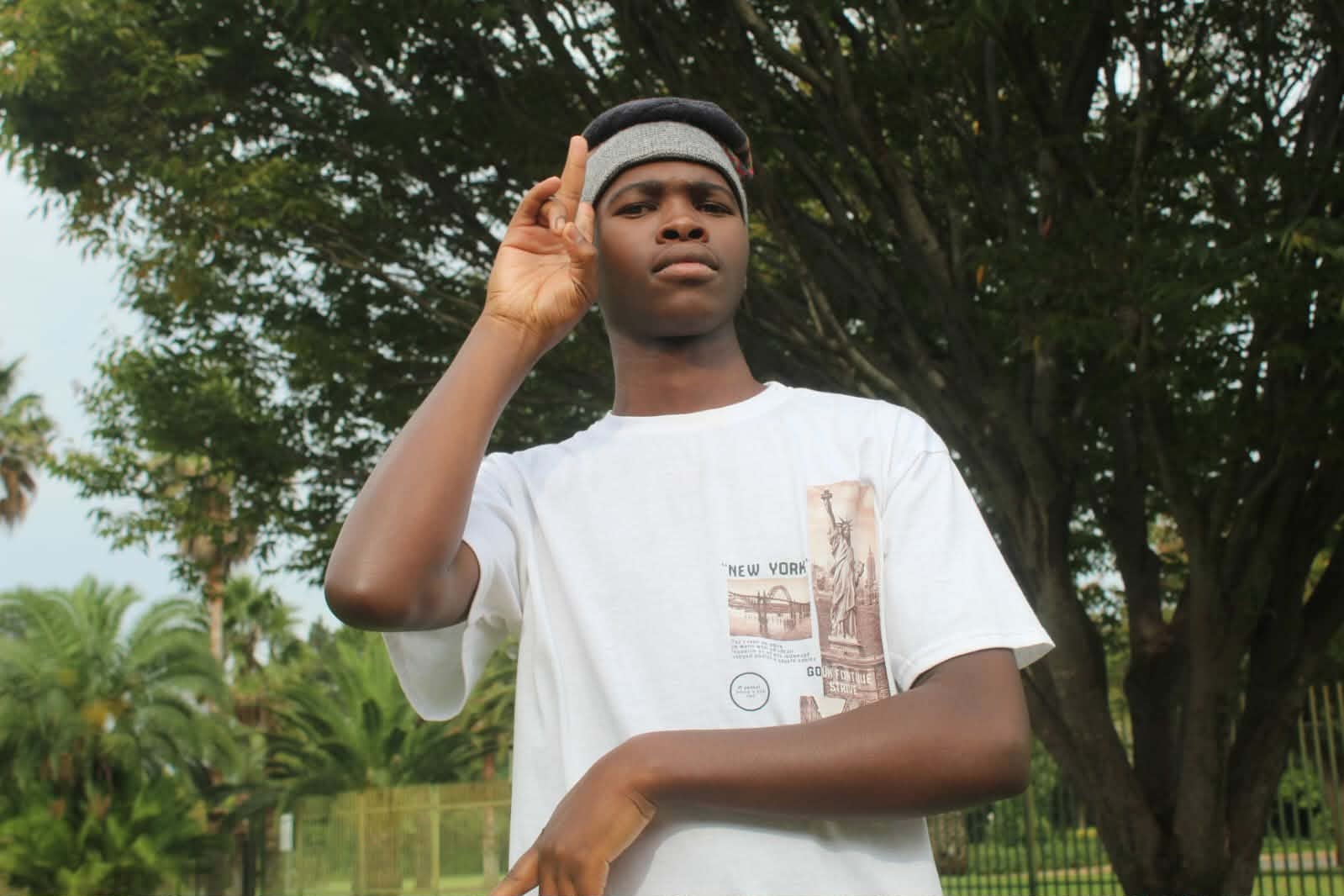
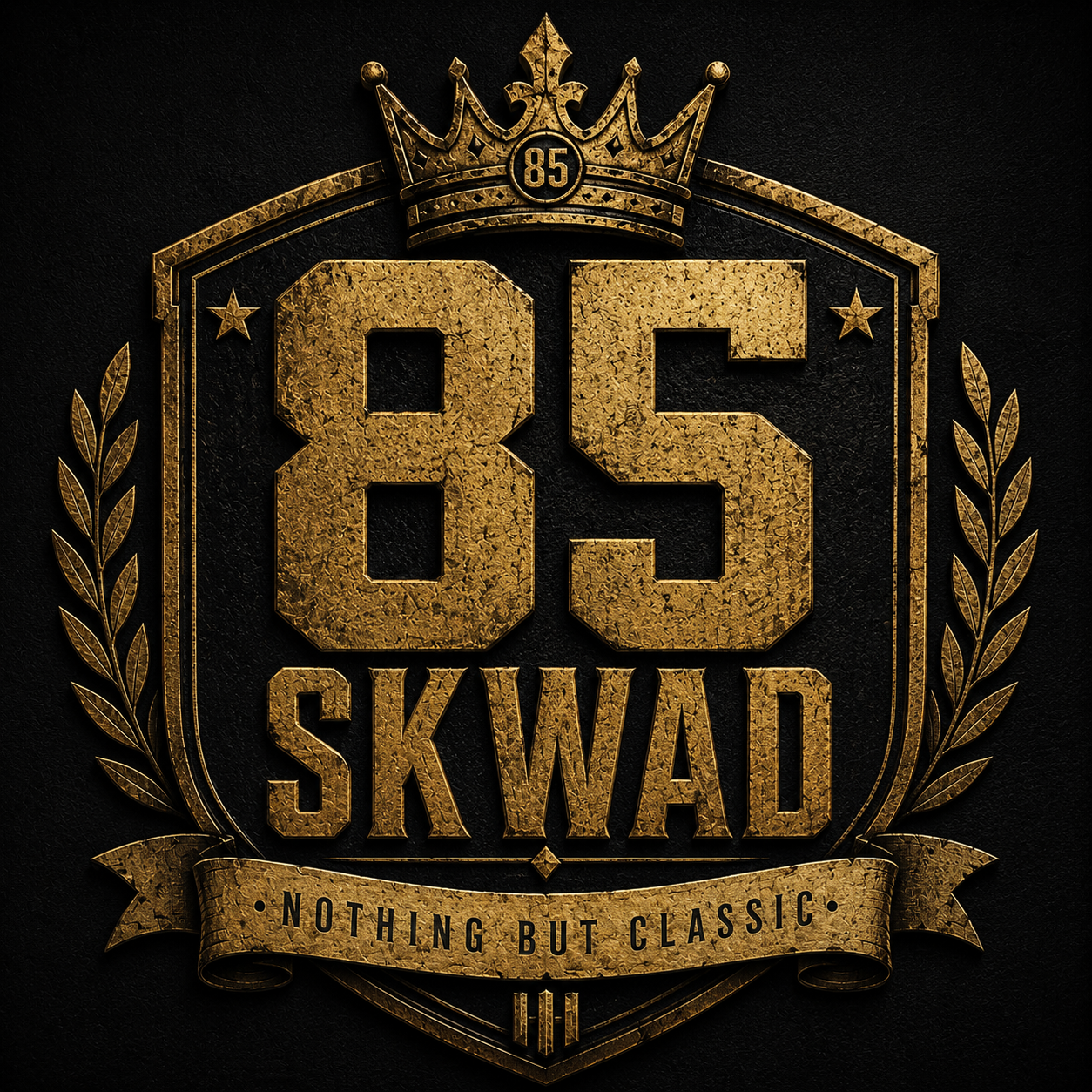
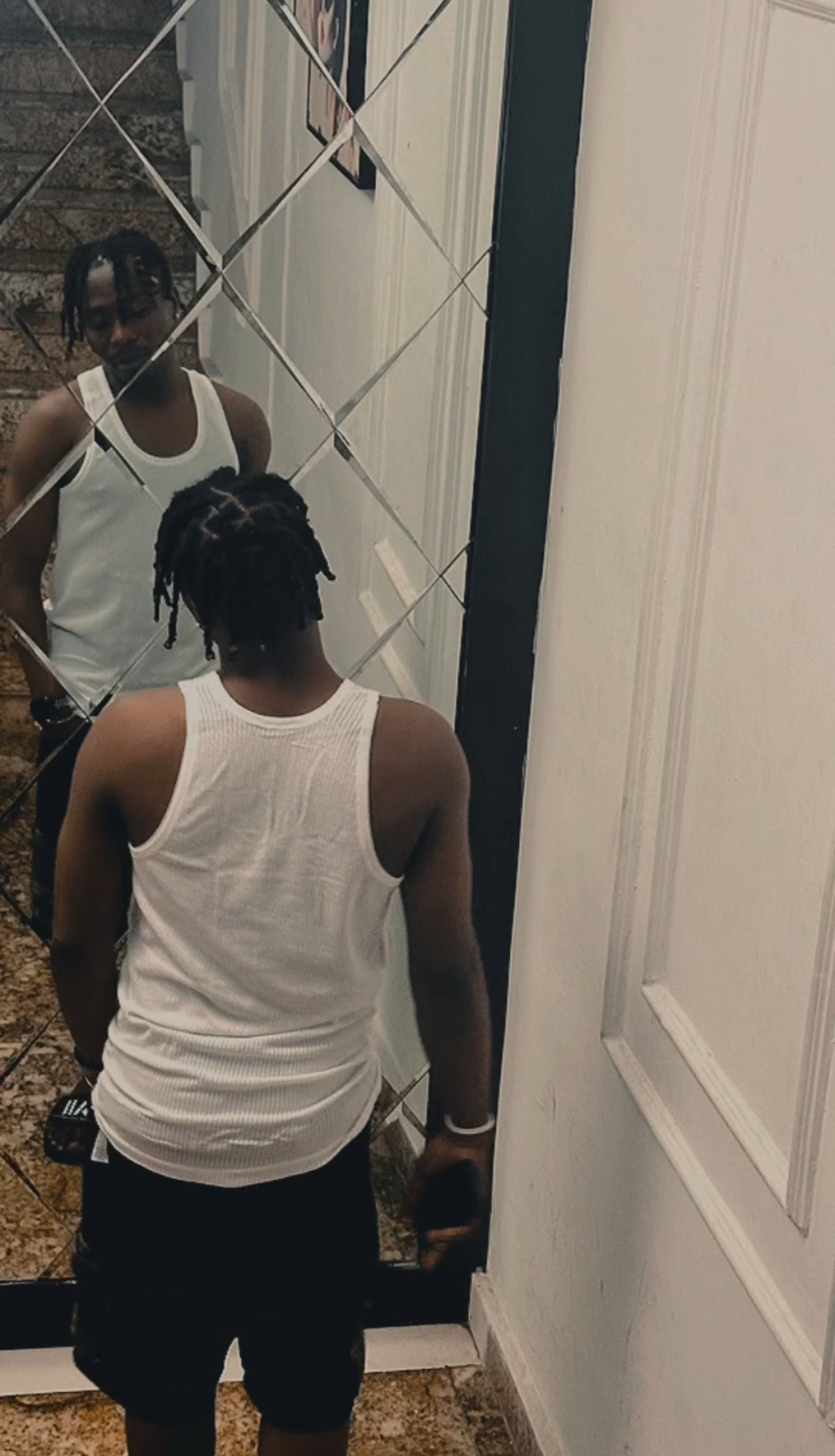


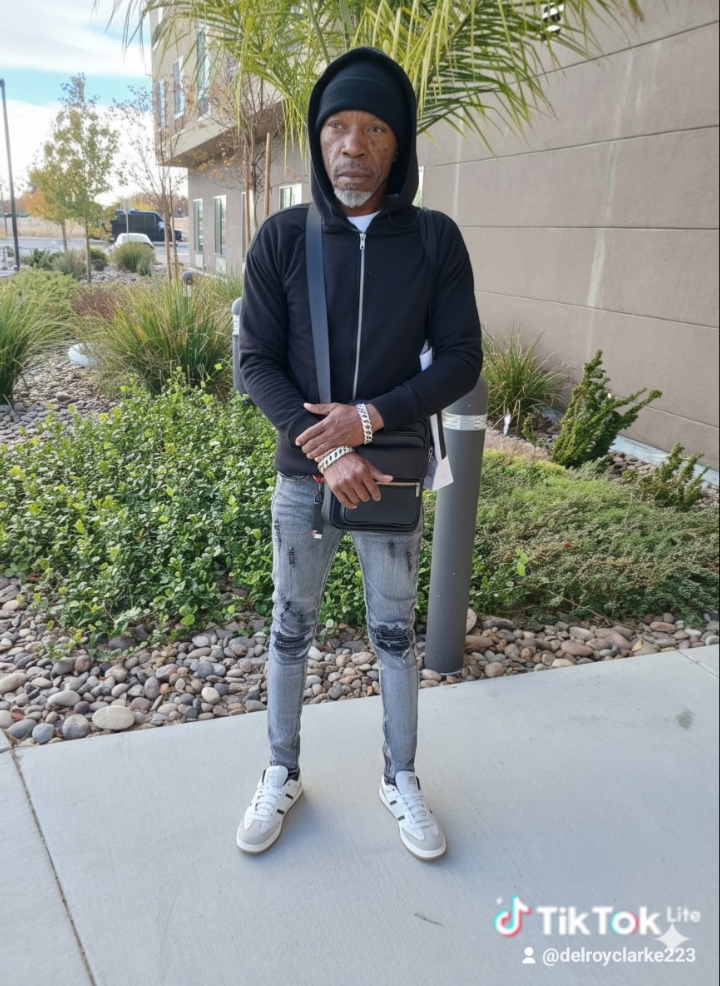



What links dj-majestik to blackbeard, mrquake21 to 85skwad, skrap-skrilla to malegeadc, is not a single sound or scene. It is a refusal to wait for permission. These artists understand that a breakout is rarely one clean moment; it is an accumulation of choices—how hard a record hits, how quickly a world takes shape around it, how firmly a voice holds its ground once attention arrives. Gurubeatz, evangelist-lastone-zulu-, odys8records, dr-prez and teeyicee- each approach momentum as material: something to shape, distort, deepen and make unmistakably their own.
That instinct runs through yungblazer1, thatrapperzigzag, kidkhudi, crystal789 and tnxmusic-, whose releases feel less like isolated drops than evidence of a larger proposition. It is there in problo-methscobars, lilithr3quiem, vynumking- and dreamcatchertkfromtwinkillaz, artists turning texture, persona and pressure into architecture. And it sharpens again with gasboy-vibes, ap-boogie, rubyhayes and chasten, whose work suggests that visibility means little without a language capable of surviving it. In an environment designed to reward instant recognition, they are building identities with afterlife.
Pastor-lastone-zulu-, aslamicoo, seanondabeat- and bussft complete the picture not as a neat final chapter, but as proof of the range contained within this moment. Across these 28 names, ambition is not presented as polish alone. It is rawness with direction; experimentation with stakes; a willingness to make the audience meet the work on its own terms. The breakout pressure is real, but so is the opportunity it creates: to define the narrative before the narrative hardens around you.
That may be the lasting significance of this class of artists. They are not simply trying to enter the conversation; they are changing its temperature, its vocabulary and its sense of where the next signal might come from. Their momentum is not a finish line. It is a force—loud, unstable, fiercely self-authored—and the most compelling thing about it is that it is still gathering speed.
Featured in This Issue
Every artist above, with everywhere to find them.