
Trap music emerged from the American South in the late 1990s and early 2000s, becoming one of the most influential sounds in modern hip hop. Built on thundering 808 drums, rapid hi-hat patterns, and raw street narratives, trap transformed from regional slang into a global phenomenon. This guide breaks down everything you need to know about the genre’s roots, signature sound, and cultural impact.
Key Takeaways
- Trap is a Southern United States hip hop subgenre born in 1990s–2000s Atlanta and Memphis, built on heavy 808s, fast hi-hats, and lyrics about life in the “trap”—slang for drug houses and the cycle of poverty and hustling.
- Early originators include UGK (1992), Goodie Mob (1995), Three 6 Mafia (mid-1990s), and Atlanta’s trap trinity of T.I., Young Jeezy, and Gucci Mane in the early 2000s.
- The core trap sound features booming 808 sub-bass, skittering hi-hat rolls, snappy snares, minor-key synths, and triplet flows that later shaped global pop, EDM, Latin trap, K-pop, and more.
- Trap’s cultural roots lie in Black Southern neighborhoods, describing drug economies, poverty, and survival long before becoming a mainstream pop aesthetic.
- Later sections cover subgenres (drill, Latin trap, EDM trap), key producers like Shawty Redd, producer Lex Luger, and Metro Boomin, plus where the genre is heading after 2020.
What Is Trap Music?
To define trap music, you need to understand both its sonic identity and cultural origins. Trap is a subgenre of hip hop and rap music that crystallized in the American South during the late 1990s and early 2000s, later fusing with EDM, reggaetón, and mainstream pop.
The word “trap” comes from Atlanta and Southern slang for drug houses—locations where drugs were manufactured and sold. Beyond physical spaces, the term represents the broader cycle of hustling, incarceration, and economic entrapment that defined street life in many Black Southern neighborhoods.
The basic sonic palette includes:
| Element | Description |
|---|---|
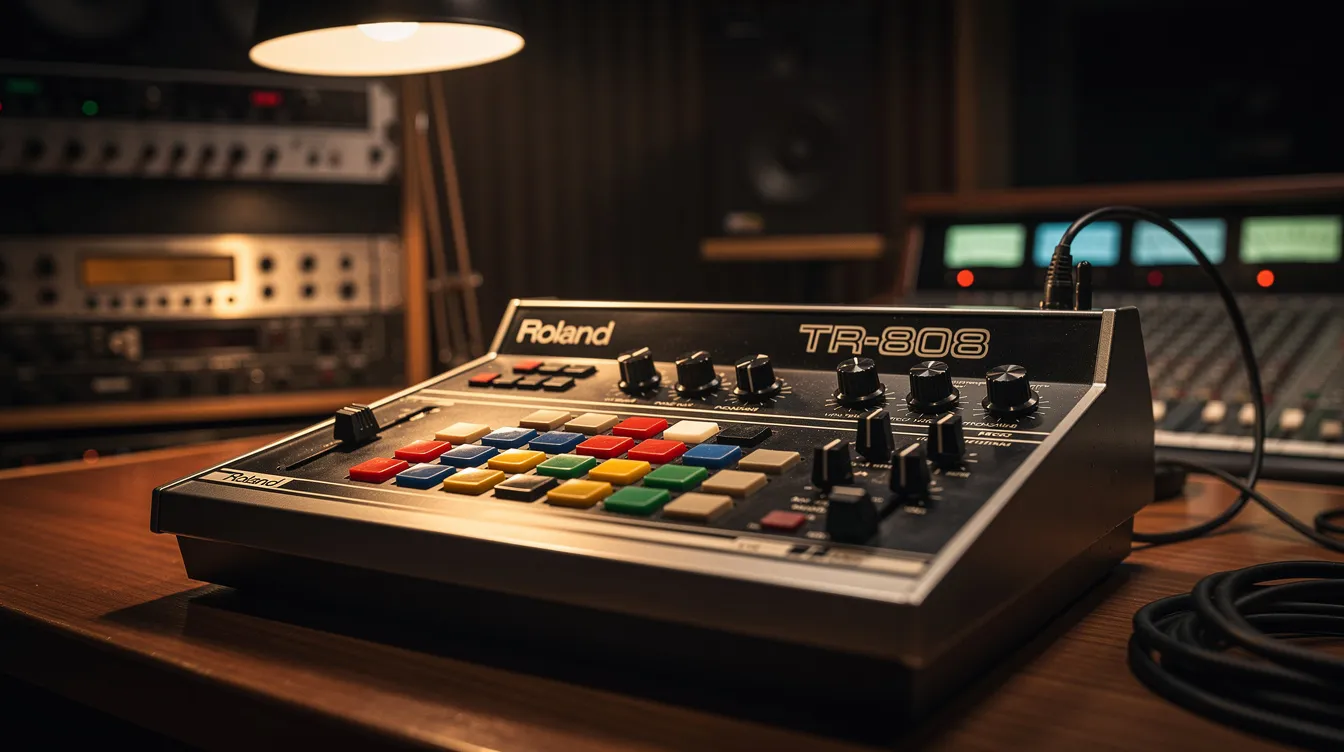
| Drums | Roland TR-808 kicks with deep sub-bass |
| Hi-hats | Rapid 1/16–1/32 note rolls and stutters |
| Snares | Crisp claps and snares on beats 2 and 4 |
| Melodies | Atmospheric synths in minor keys |
| Tempo | 130-150 BPM (65-75 BPM double-time feel) |
| Vocally, trap combines aggressive rapping with melodic Auto-Tuned hooks and triplet flows that create a rolling, hypnotic sound. The difference between hip hop trap and EDM trap? Same drum language and energy, but one centers MCs and street narratives while the other targets dance-festival drops and instrumental builds. |
Origins of Trap: From the Dirty South to Early 2000s Atlanta
Trap’s roots stretch back to early Southern hip hop music scenes in Atlanta, Memphis, and Houston during the early-to-mid 1990s. This was the era of the “Dirty South”—a distinct regional sound that would eventually birth the trap genre and reshape rap beats from the Bronx to the global stage.
Early releases prefigured trap’s themes and sonics. UGK’s 1992 debut album “The Southern Way” laid groundwork with Southern gangsta rap themes. Memphis groups like Three 6 Mafia brought dark, horror-inspired, lo-fi beats with crime-focused lyrics that shared trap’s ominous minor-key atmospheres and 808 bass foundations.
Goodie Mob’s 1995 track “Thought Process” contains an early on-record use of the term, with rapper Khujo explicitly referencing life “in the trap.”
This Atlanta context set the thought process for what would come. Late-1990s Atlanta had a distinct sound—bass-heavy, funk-influenced, and narrative-driven—that set the stage for trap’s later codification. Artists like Ghetto Mafia and crews like the Dungeon Family helped establish the dangerous lifestyle themes that would define trap songs.
Local mixtape circuits, DJ sets, and independent labels in Atlanta and Memphis spread this emerging style regionally before national radio and streaming existed. This grassroots distribution was essential to trap’s development as a distinct genre.
Who Started Trap Music? Producers, Rappers & the Atlanta “Trap Trinity”
No single person “invented” trap, but several producers and southern rappers in Atlanta shaped the sound and popularized the name between 2000 and 2005. The genre emerged through collaboration, competition, and the distinctive production styles of key beatmakers.
Shawty Redd stands as a foundational producer, with his late-1990s-to-early-2000s work pioneering the “booty-shakin’” hi-hat programming that defined early trap beats. DJ Toomp bridged Southern gangsta rap to early trap through his work with T.I., mixing orchestral stabs, synth strings, and hard 808s.
T.I. claimed the title “King of the South” in the early 2000s. His 2003 release called Trap Muzik helped cement “trap” as a genre label rather than just street slang. This was a major influence on how the genre would be marketed and discussed.
The informal trap trinity of T.I., Young Jeezy, and Gucci Mane in mid-2000s Atlanta each presented distinct personas:
- T.I.: The hustler-philosopher
- Jeezy: The “snowman” kingpin with icy drug dealing metaphors
- Gucci Mane: The unpredictable outlaw
Their albums over increasingly codified trap beats established the genre’s mainstream identity. Jeezy and Gucci Mane particularly dominated Atlanta’s mixtape scene.
Shawty Redd and the Early Trap Sound
Shawty Redd emerged as a teen prodigy who produced Drama’s 2000 compilation album “Causin’ Drama” and later defined Jeezy’s early signature sound. His trademark elements included layered minor-key synths, thick 808 kicks, and frantic hi-hat patterns that made tracks feel both club-ready and menacing.
Notable productions include cuts from Young Jeezy’s “Let’s Get It: Thug Motivation 101” (2005)—a second album that showcased the emerging trap formula and went 3x Platinum. His beats influenced a generation of Southern producers who began copying his drum patterns in mixtapes throughout Atlanta and Memphis.
DJ Toomp and T.I.: Codifying Trap in the Mainstream
DJ Toomp’s long Atlanta history and partnership with T.I. at the turn of the millennium helped bring trap to wider audiences. He produced across T.I.’s first four albums: “I’m Serious” (2001), “Trap Muzik” (2003), “Urban Legend” (2004), and “King” (2006).
“Trap Muzik” (2003) marked where the term “trap” appeared prominently on a major-label solo album title and tracklist, peaking at #4 on the Billboard charts. Toomp’s work on crossover hits like “What You Know” (2006) helped take the trap sound from Southern radio to national charts, achieving mainstream popularity and paving the way for later waves.
How Trap Music Sounds: Core Musical Characteristics
Trap’s identity is as much about production style as it is about lyrical content and regional roots. Understanding the sound requires breaking down its essential elements and how hip hop background music and beats evolved to support different rap styles.
Essential drum elements:
- TR-808 kick with extended sub-bass decay
- Rapid 1/16–1/32 hi hat rolls with stutters
- Crisp snares on 2 and 4
- Additional percussive elements like rimshots and claps
Typical melodies feature:
- Dark, minor-key progressions
- Bells, piano, pads, and plucky synths
- Sparse but memorable motifs built on 2–4 bar loops
- Atmospheric textures creating a hypnotic sound
Bassline behavior involves sliding 808s with portamento, pitch-bent notes that follow or counter the lead melody, and side-chained compression to make kicks punch through dense low-end mixes.
Vocals heavily feature Auto-Tune since the late 2000s, with sing-rap hybrid delivery. Engineers rely on careful processing to sit these vocals on top of dense 808-heavy beats, using techniques similar to those in mixing and mastering rap vocals. The mixing approach targets loud, club-oriented masters with wide stereo imaging, emphasized low end, and bright percussive transients optimized for streaming and car systems—you can hear today’s trap influence across radio and R&B.
Rhythm, Flow, and the “Migos Flow”
Rhythm and rap flow patterns distinguish trap from earlier forms of hip hop music like boom-bap. The triplet flow—three evenly spaced syllables over a two-note beat division—became synonymous with modern trap.
Tracks like Migos’ “Versace” (2013) helped standardize this feel in mainstream rap music. The pattern sounds like: “da-da-da / da-da-da” repeated in rolling sequences. While triplet flows existed before (artists like Krs One and Ice T used variations), trap’s drum grids and tempo ranges made this pattern especially effective.
The rapid hi hats and tempo range of 130-150 BPM (counted double-time around 65-75 BPM) created a lurching momentum distinct from earlier hip hop’s straighter grooves.
Rise to Mainstream: 2000s to Mid-2010s
Trap moved from regional Southern radio and mixtapes in the early 2000s to U.S. Billboard charts and global playlists by the mid-2010s. This trajectory transformed American music.
Early mainstream breakthroughs:
| Release | Year | Chart Peak |
|---|---|---|
| T.I. – “Trap Muzik” | 2003 | #4 Billboard 200 |
| Young Jeezy – “Let’s Get It” | 2005 | #2 Billboard 200 |
| Gucci Mane – Mixtape run | Mid-2000s | Regional dominance |
| Producers like Zaytoven and Drumma Boy further refined the sound with church-influenced keys and orchestral touches in late-2000s Atlanta. Then came the second wave. |
Producer Lex Luger’s 2009-2011 impact cannot be overstated. His dense, orchestral, horn-stab heavy beats for rapper Waka Flocka Flame (“Hard in Da Paint” 2010), Rick Ross (“B.M.F.” 2010), and tracks for Jay Z, Kanye West, and Snoop Dogg defined a more aggressive era that embodied trap’s revolution in rhythm and rebellion. Fans seeking that aggressive sound can still play Luger’s songs to hear this pivotal moment.
Waka Flocka Flame (with third member Wooh Da Kid) pushed this violent lifestyle sound further, with Flocka Flame becoming synonymous with the era’s intensity. The rise of producer-branding via tags (“Metro Boomin want some more”) shifted attention toward beatmakers as stars alongside trap artists.
2015–Present: Viral Hits and Global Crossover
The streaming era and social media memes pushed trap further into the pop mainstream after 2015. This period saw trap become one of the most popular forms of commercial music globally.
Concrete examples of trap-centered hits:
- Fetty Wap’s “Trap Queen” (2014/2015): #2 Hot 100, 10x Platinum
- Desiigner’s “Panda” (2015): #1 Hot 100
- Migos’ “Bad and Boujee” (2016): #1 Hot 100, meme-fueled virality
Streaming playlists and platforms like SoundCloud and YouTube allowed regional scenes in Atlanta, Chicago, and South Florida to gain national audiences rapidly. Artists like Young Thug pushed the genre’s melodic boundaries.
Producers like Metro Boomin, Southside, Mike WiLL Made-It, and later Tay Keith soundtracked this era with darker, minimal but punchy beats. Some productions even incorporated influence from EDM artists Rustie and Hudson Mohawke began experimenting with.
Lil Nas X’s “Old Town Road” (2018/2019) became a genre-blending milestone—a country-trap crossover that dominated global charts with a record 19-week #1 run, symbolizing trap’s reach into other genres. The song sampled Lil Jon-era crunk energy while embracing trap production. Only God knows how far the genre will spread.
Trap’s Global Expansion and Subgenres
By the mid-2010s, trap had evolved into a flexible framework, inspiring new subgenres and fusions worldwide. Each offshoot preserves core trap elements—808s, hi-hat rolls, minor-key melodies—while adapting to local languages, rhythms, and cultural themes, mirroring the genre’s journey from Atlanta streets to a global phenomenon.
Major offshoots include:
- Drill: Darker, street-level variant from Chicago, UK, and New York
- Latin trap: Spanish-language fusion with reggaetón
- EDM trap: Festival-oriented instrumental takes
- Melodic trap/Trap soul: R&B-influenced emotional variants
Drill and Darker Trap Offshoots
Drill emerged as a street-level, darker descendant of trap, first crystallizing in Chicago around 2011-2012. Early Chicago drill figures like Chief Keef, Lil Reese, and producer Young Chop emphasized minimal beats, ominous synths, and blunt depictions of a dangerous lifestyle with explicit lyrical content.
UK drill developed in mid-2010s London with artists like Headie One, 67, and later Central Cee. They adopted trap-inspired 808 patterns but added distinctive sliding bass and off-kilter hi-hat rhythms.
New York drill’s late-2010s wave (Pop Smoke, Fivio Foreign) drew from UK producers, creating a feedback loop where trap, drill, and regional styles informed each other. This cross-Atlantic exchange demonstrates trap’s cultural origins spreading globally.
Latin Trap and Global Pop Fusions
Latin trap emerged in the mid-2010s, blending trap percussion with reggaetón and dembow grooves while featuring Spanish-language lyrics about hustling and nightlife.
Key Latin trap artists:
- Bad Bunny (“YHLQMDLG” – 2020, #2 Billboard 200)
- Anuel AA
- Ozuna
Latin trap keeps trap’s themes but adds Caribbean rhythmic swing and melodic reggaetón-style choruses. This style brought street life narratives to U.S. and Latin American charts simultaneously and fueled demand for diverse trap beats and instrumentals tailored to Spanish-language artists.
Trap’s influence reached K-pop in the late 2010s, with groups incorporating 808s and trap drums into choreographed pop singles—merging polished production team approaches with hip hop’s raw energy.
EDM Trap and Festival Culture
EDM trap represents the meeting point between festival EDM and hip hop trap drums, taking shape around 2012-2013. Bedroom producers experimenting with this style often follow similar principles to those used in producing rap beats at home. Producers like RL Grime, Baauer, Flosstradamus, and Yellow Claw used 808s, snare rolls, and half-time drops in big-room contexts, often with minimal or no rapping.
Baauer’s “Harlem Shake” (2012/2013) became a viral moment bringing trap-style drops into mainstream internet culture—reaching #1 on the Hot 100 despite diverging from Atlanta’s street-rooted trap. Artists like Miley Cyrus and other pop stars began incorporating trap drops.
The typical EDM trap structure features long build-ups, risers, then explosive drops centered on huge 808s and sparse melodies—tailored for festivals and massive sound systems rather than street narratives.
Cultural Significance and Critiques
Trap is more than a sound—it’s a narrative about Black Southern structural inequality and the economy of survival. Early trap lyrics chronicled specific realities: drug dealing, police pressure, poverty, and incarceration. This functioned as social commentary rather than simple glorification.
Trap emerged from neighborhoods where the cycle of poverty, hustling, and incarceration shaped daily life—the music documented that reality.
Debates about commercialization arose by the late 2010s. Trap aesthetics were adopted by mostly white EDM and pop acts while many originators received less recognition. Institutions like T.I.’s Trap Music Museum in Atlanta (permanent since 2018) attempt to preserve and honor trap’s Black Southern cultural origins.
Critics argue that contemporary trap has moved away from storytelling toward formulaic content aimed solely at streaming algorithms and virality—prioritizing viral hooks over the raw narratives that defined the genre’s origins.
Trap in Fashion, Film, and Everyday Culture
Trap’s cultural spillover extends beyond music into fashion trends, slang, social media aesthetics, and film/TV soundtracks. Luxury-brand name-dropping and designer streetwear in trap lyrics contributed to the global popularity of specific labels and sneaker styles.
Film and television increasingly use trap tracks for mood-setting. Crime dramas and youth-oriented series associate the sound with urban grit and tension. Sports highlight reels and video game soundtracks routinely feature trap beats to convey energy and intensity.
The Future of Trap Music
More than 25 years after its early 1990s roots, trap remains a mature but evolving genre. Several trends point toward where it’s heading.
Current directions:
- Melodic, introspective trap (sometimes labeled trap soul) blending R&B vocals with classic trap drums
- Global accessibility via home studios, affordable DAWs, and online beat marketplaces
- AI and algorithmic tools influencing beat-making and songwriting
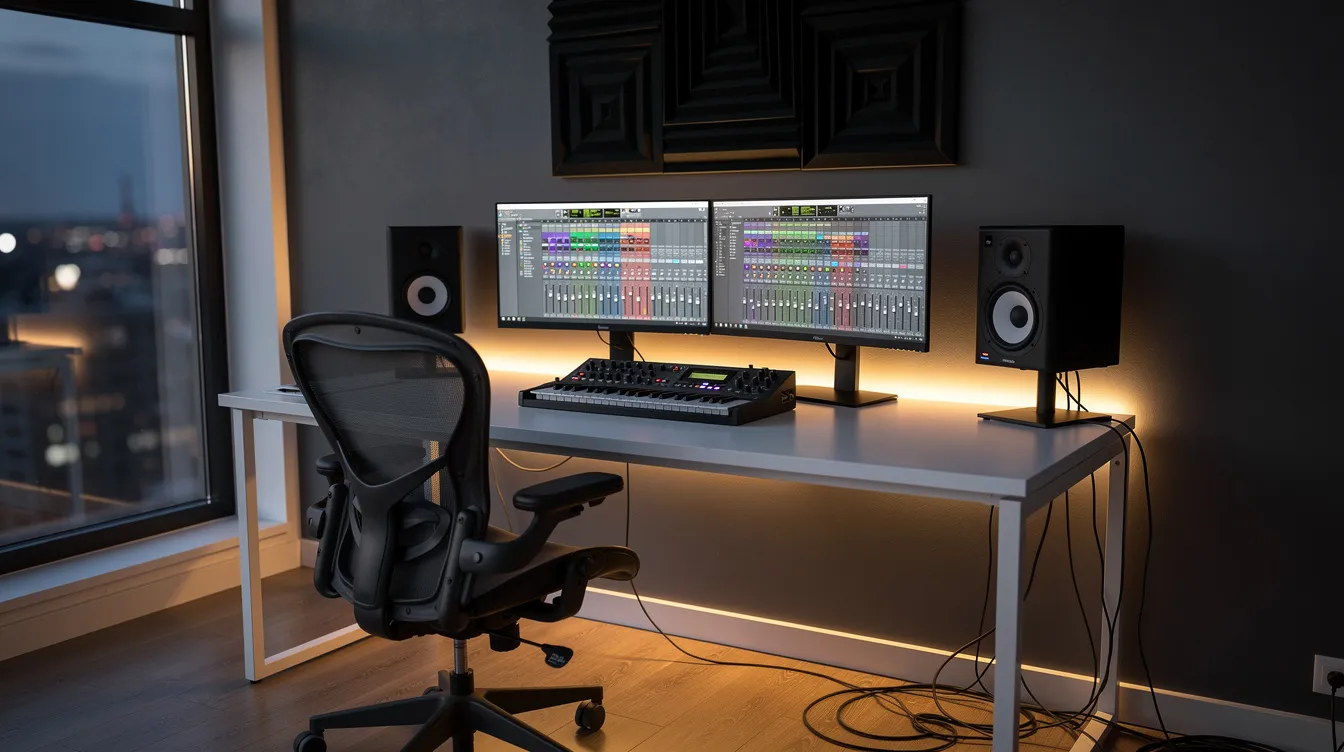
Home production has made trap accessible worldwide—from small U.S. towns to Europe, Africa, and Asia. Anyone with a laptop can study the production techniques that Shawty Redd and DJ Toomp pioneered and apply them when crafting a trap anthem.
Debates about authenticity, originality, and credit for human producers continue as AI tools emerge, echoing broader hip hop trends shaping the future of rap. Trap’s legacy will ultimately depend on how future artists balance innovation with honoring the Black Southern communities that created the genre and continue to drive its evolution.
FAQ
This section answers common trap-related questions not fully covered above.
When did trap music officially become a named genre?
While the slang “trap” appears in 1990s Southern rap (notably Goodie Mob’s 1995 “Thought Process”), the term “trap music” gained wide visibility with T.I.’s 2003 album “Trap Muzik.” After this release, media and fans increasingly used “trap” as a genre label rather than just street terminology.
Is there a difference between Atlanta trap and Memphis trap?
Yes. Early Memphis sounds (Three 6 Mafia, early-1990s) leaned toward horror-inspired, lo-fi, and ultra-dark beats with an edge that still defines Memphis productions. Atlanta trap in the 2000s became more polished and orchestral through producers like DJ Toomp and Zaytoven. Both share 808s, street themes, and minor-key melodies, but their textures and production values differ noticeably.
Do all songs with 808s and hi-hats count as trap?
No. Many genres now use 808s and hi-hats, but trap typically combines specific drum programming, tempo ranges (130-150 BPM), melodic choices, and lyrical focus on hustle/“trap” life. Not every 808-driven pop or EDM track fits the cultural and stylistic context that defines authentic trap.
Can trap music be political or socially conscious?
Absolutely. Many trap songs implicitly or explicitly comment on policing, mass incarceration, economic inequality, and systemic racism. These themes are often framed as personal stories rather than overt protest anthems, but the social commentary remains central to the genre’s cultural significance.
How can new producers learn to make authentic trap beats?
Study classic albums from early 2000s Atlanta (T.I., Jeezy, Gucci Mane) and 2010s trap (Future, Migos). Analyze drum patterns and song structures in a DAW, practice programming 808s and hi-hat rolls, and pay attention to storytelling context rather than copying surface sounds only. Understanding the cultural weight behind the music matters as much as technical skill.