
That beautiful piano sitting in your living room has become a problem. Maybe you’re moving, downsizing, or settling an estate—and suddenly, a 500-pound instrument with no clear future is blocking your plans.
The removal of piano from a home is one of those tasks that looks simple until you actually try it. Unlike a couch or dining table, pianos combine extreme weight, delicate internal mechanics, and awkward dimensions that make even basic relocation a genuine challenge.
This guide walks you through every realistic option for getting rid of an unwanted piano in 2025. Whether you’re hoping to sell, donate, or simply need it gone by next Tuesday, you’ll find practical steps, honest cost breakdowns, and clear guidance on what actually works.
Introduction to Piano Removal
Piano removal is far more involved than simply moving a piece of furniture. Whether you’re dealing with a grand piano, upright piano, digital pianos, or console pianos, the process requires careful planning and a thoughtful approach. Many pianos hold significant sentimental value, making the decision to remove or dispose of them an emotional one. Beyond the emotional aspect, the sheer weight and size of these instruments mean that heavy lifting and specialized removal services are essential for a safe and efficient process.
Professional piano removal services are equipped to handle every step, from initial assessment to final disposal. They understand the unique challenges of removing an old upright or a delicate grand piano, and they use careful techniques to protect both your home and the instrument. If you’re considering getting rid of a piano, look for companies that offer no-obligation quotes and have experience with a variety of piano types. This ensures you receive a fair price and a removal process tailored to your specific needs. Whether your goal is to dispose of an old piano or simply reclaim space in your home, choosing the right removal services can make the process smooth and stress-free.
Quick Answer: Best Ways to Remove a Piano in 2025
Piano removal in 2025 typically comes down to three paths: selling, donating, or hiring piano removal services. In major U.S. cities, professional piano removal cost commonly starts around $300, though prices vary depending on your specific situation. You can also hire professional piano removal services to efficiently handle all your piano removal needs, including the ability to remove upright pianos and other types.
- Sell if your piano is young and maintained—instruments built after roughly 1995 from brands like Yamaha or Kawai, with regular tuning history, have the best chance of finding a buyer willing to pay a fair price
- Donate if playable and structurally sound—schools, churches, and community centers sometimes accept piano donations, though most have strict requirements about condition
- Pay for professional removal if damaged or deadline-driven—when you’re facing a house closing, estate deadline, or the instrument is simply beyond repair, junk removal service providers or piano movers can typically handle same-week pickup. Junk removal services typically charge $99 to $350 for disposal.
Free piano pickups are rare in 2025 unless the instrument is high-quality and in active demand. Most people discover that even giving away an old piano requires effort. Efficiently removing a piano by hiring professionals is often the best solution, especially for those with specific piano removal needs.
Why Piano Removal Is So Difficult
Piano removal isn’t a standard furniture job—and understanding why helps explain both the cost and the risks involved.
- Most upright pianos weigh between 400 and 600 lbs, while baby grand and full grand piano models range from 500 to over 1,200 lbs
- Pre-1970 homes often feature narrow hallways, tight doorways, and stairs that were never designed for moving heavy instruments
- Municipal garbage services in 2025 generally refuse curbside piano pickup due to size, metal strings under high tension, and treated woods that require special disposal
- DIY attempts frequently result in injuries, crushed flooring, dented drywall, and frame damage that can make even a good shape piano worthless
- Older pianos—especially pre-1930 uprights—often have minimal resale value, which is why paying $400 to remove something “nobody wants” feels frustrating
The whole process becomes more complicated when you factor in the instrument’s internal complexity: cast iron plates, soundboards, and over 200 strings under up to 20 tons of combined tension.
Old Piano Removal: Special Considerations
When it comes to old piano removal, there are a few extra factors to keep in mind. Many old pianos carry not just sentimental value, but also potential historical or musical significance. If your instrument is an antique or vintage model, it’s important to work with piano removal services that understand how to handle these pieces with the utmost care. Specialized equipment and techniques may be required to safely move and transport an old piano, which can influence the overall cost of removal.
Before deciding to dispose of an old piano, consider whether it might be worth restoring or refurbishing. Some aspiring musicians, piano teachers, or community centers are interested in acquiring old pianos for restoration or as affordable options for music education. Donating your instrument can give it a new home and support local music programs. If you’re unsure about the value or potential of your old piano, consult with removal services or local experts who can advise on the best course of action. By taking a careful and thoughtful approach, you can ensure your piano’s legacy continues—whether through restoration, donation, or responsible disposal.
Professional Piano Removal & Disposal Services
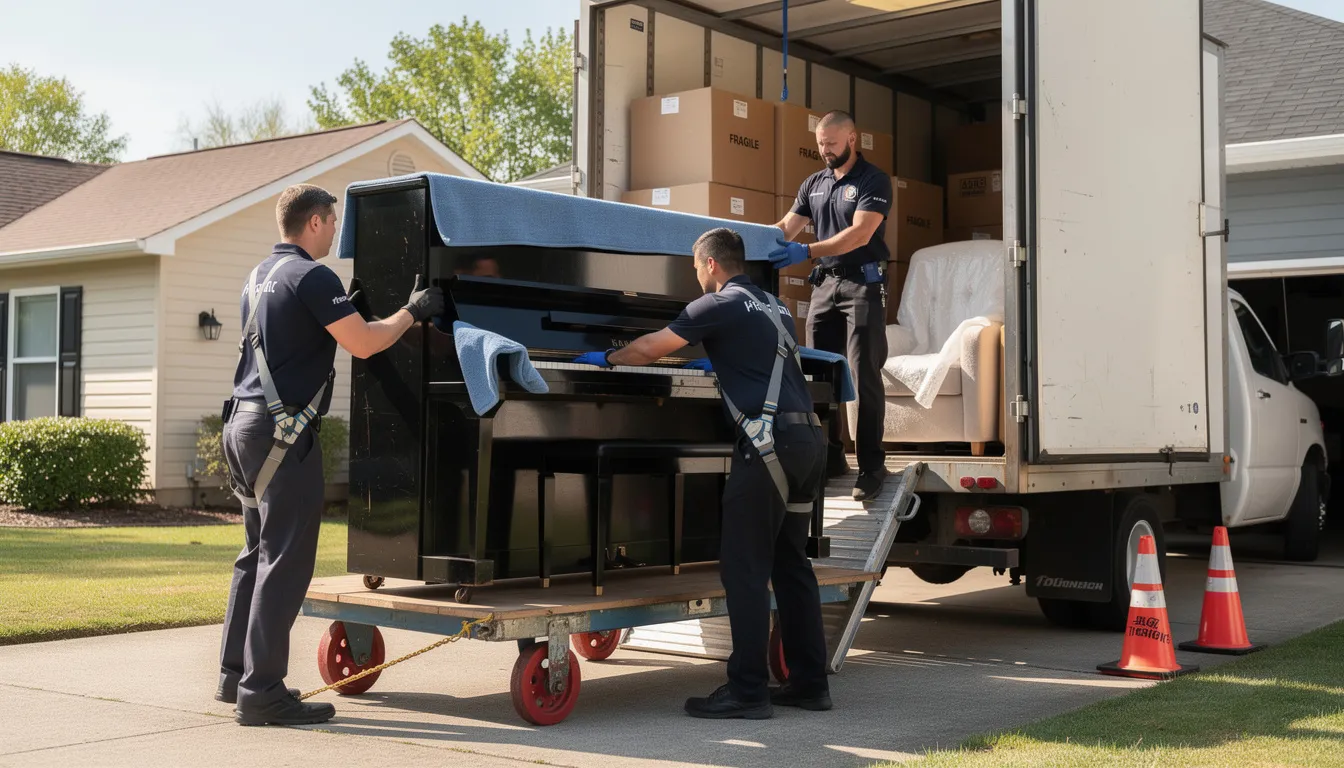
Professional junk removal and specialist piano movers are experienced in efficiently removing all types of pianos, including upright pianos, to meet a variety of piano removal needs. They handle the vast majority of removals, including uprights, console pianos, baby grands, and full grands.
- Services typically include on-site assessment, careful pad and strap setup, safe removal via heavy-duty dollies and ramps, loading into a truck, and hauling to recycling facilities, donation partners, or transfer stations
- Common brands and types pros remove: Yamaha, Kawai, Steinway, old studio uprights, spinets, church organs, digital pianos, and even player pianos with internal mechanics
- Not every franchise or location will accept all pianos—especially heavy, non-moving “square grands” from the 1800s—so confirm by phone or online before booking
- Reputable services provide stress-free, full-service removal that handles the heavy lifting so you don’t risk injury or property damage
When calling for quotes, ask specifically about their experience with your piano type and any access challenges like stairs or narrow doorways.
Depending on local regulations, professional piano removal services can often handle the entire process without the homeowner being present.
How Much Does Piano Removal Cost?
Most homeowners in 2025 pay between $300 and $600 for standard piano removal, though prices can exceed $800 for complex grand piano moves involving multiple flights of stairs.
Main cost factors include:
- Piano type (spinet vs. upright vs. baby grand vs. concert grand)
- Floor level and number of stairs or tight turns
- Distance from piano to truck parking
- Whether partial disassembly is required for doorways
- Your geographic location (urban areas typically cost more)
Many junk removal and piano moving companies provide free, no obligation quote options—either on-site or based on photos you submit.
|
Piano Type |
Typical Removal Cost |
Key Considerations |
|---|---|---|
|
Spinet/Console |
$200–$350 |
Lightest, easiest access |
|
Upright Piano |
$300–$500 |
Weight and stairs add cost |
|
Baby Grand |
$400–$700 |
Requires leg removal, tilting |
|
Full Grand |
$600–$1,000+ |
May need 5-6 movers, disassembly |
Get at least 2–3 quotes and ask specifically what’s included: disposal fees, floor protection, and post-removal cleanup should all be clarified upfront.
Selling Your Piano Before Paying for Removal
Selling is the best route if your piano is less than roughly 30 years old, regularly tuned, and cosmetically clean—especially for popular brands purchased new after around 1995. Pianos in good condition can command a higher price, so ensure your instrument is well-maintained before listing.
- Collect concrete information before listing: brand, model, serial number (usually found inside the cabinet), year of manufacture, last tuning date, and any repair history
- Research realistic pricing by checking recent sold listings on Facebook Marketplace, Craigslist, and piano-specific sites—many older uprights move in the $0–$500 range, while some sell for nothing
- List your piano on local directories like Craigslist and Facebook Marketplace to reach more potential buyers
- Create an attractive listing with multiple well-lit photos, a short video demonstrating sound quality through scales or chords, clear disclosure of cosmetic flaws, and explicit terms about who pays for piano moving (buyer or seller)
- Take detailed photos of the piano’s condition before moving; these can serve as evidence for insurance claims if any damage occurs during transport
- Be prepared to negotiate the price with potential buyers
- Consider offering to cover the cost of moving in your sale price to make your listing more appealing
- Consider using piano consignment deals with local music stores to sell your piano
- Include sheet music, bench, or other accessories as incentives to help interested buyers justify the moving hassle
In most U.S. cities in 2025, finding a buyer can take weeks or months. Selling is not ideal when you have an urgent move-out date or estate deadline—if time is tight, skip directly to professional removal services.

Piano Donation & Tax Considerations
Donating can be a good option for playable instruments, but organizations are selective because they must also pay for moving and maintenance. Most organizations only accept pianos in good condition, as they need to ensure the instrument is usable and not a burden.
- Potential donation targets: public and private schools, churches, community music schools, senior centers, and non-profits with performance spaces where aspiring musicians could benefit
- Most charities require recent photos, a basic condition description (is it tunable? any water damage?), and sometimes a technician’s note before they’ll accept piano donations
- Piano donation services and local piano dealers occasionally facilitate connections between donors and organizations seeking instruments
- In the U.S., donations to qualifying 501(c)(3) organizations may be tax-deductible; keep written acknowledgments and consult a tax professional for current 2025 rules
- Piano teachers and community centers may also be worth checking as potential recipients
Finding a suitable recipient for a piano can take significant time and effort, often requiring outreach to multiple organizations. Many local schools, churches, and community centers may decline piano donations due to previous negative experiences with free pianos.
“Free pickup” from charities is increasingly rare. In many cases, the donor still covers moving costs, so balance optimism with realistic expectations. Approximately 60% of older, out-of-tune uprights get rejected by donation programs. You can rest assured that if your piano is accepted, it will be put to good use or disposed of in an environmentally responsible way.
When Removal & Disposal Is the Only Option
Some pianos simply can’t be saved. Recognizing when removal and disposal is the only path forward can help you move past the emotional difficulty of scrapping a long-owned family instrument.
- Typical end-of-life conditions: cracked soundboard, collapsed pinblock, severe rust on strings, major water or mold damage, or repair estimates that exceed the piano’s value
- Professional removal ensures the frame, cast iron plate, and strings are handled safely—components that can cause serious injury if mishandled
- Many materials can be partially recycled or repurposed: hardwood cases become furniture, iron plates go to foundries, and hammers find second lives in art projects
- Ask haulers what they do with removed pianos—recycling, parts salvage, or resale—to find services that align with environmentally conscious values
- Even an old upright with sentimental value may reach a point where disposal is the kindest and most practical choice
The piano haul process doesn’t have to feel wasteful. Knowing your instrument will be responsibly dismantled rather than dumped in a landfill can provide some comfort.
DIY Piano Removal: Risks, Costs & Safety
Full DIY removal of piano is generally discouraged but sometimes attempted when local quotes feel prohibitively high.
Realistic DIY costs include:
- Truck rental: $50–$150 depending on size and distance
- Landfill or transfer station fees: $50–$100+ (many charge by weight)
- Heavy-duty piano dolly rental: $30–$75
- Moving straps and plywood for ramps: $40–$80
- 3–4 strong, available helpers (often harder to find than expected)
Major safety hazards:
- Back injuries from improper lifting technique
- Smashed fingers when maneuvering through doorways
- Uncontrolled rolling on stairs—pianos can accelerate dangerously
- Damage to door frames, railings, and flooring that costs more to repair than professional removal would have
Partial disassembly (removing lids, legs, or keycovers) can reduce weight but is time-consuming and risks damaging the instrument beyond any future use.
DIY is best limited to:
- Smaller spinets or digital pianos
- Ground-floor locations with wide doorways
- Short distances to the truck
Leave full uprights and grands to professionals. The one piece you don’t want to break is your back.
Piano Moving Tips for Safe Handling
Moving a piano is a job that demands careful planning, the right equipment, and a skilled team. Whether you’re relocating a grand piano or an upright, the process involves more than just heavy lifting. Professional piano movers use specialized equipment like sturdy dollies, moving straps, and protective padding to secure the instrument and prevent damage during transport. Navigating stairs, tight hallways, and narrow doorways adds complexity and can increase the overall cost of piano removal.
To ensure a smooth piano moving experience, start by clearing a path from the instrument to the exit and removing any obstacles. Communicate with your piano removal services about any access challenges, such as stairs or limited space, so they can prepare accordingly. During the move, professionals will carefully lift and maneuver the piano, minimizing the risk of injury or property damage. They’ll also handle the disposal or relocation process, whether your piano is being moved to a new home or responsibly recycled.
By hiring experienced piano movers and following their guidance, you can protect your instrument, your home, and everyone involved in the process. Safe handling is key to a successful piano removal, ensuring your piano’s journey—whether to a new owner or its final destination—is as smooth and stress-free as possible.
Environmentally Responsible Piano Disposal
Many pianos contain reusable hardwood, steel, felt, and electronics that should be recovered instead of dumped in landfills.
- Some removal companies partner with recyclers, woodworkers, and artists who repurpose cases into furniture, desks, bookshelves, or wall art
- EPA guidelines suggest up to 90% of piano materials can be recycled when properly dismantled
- Ask haulers about their recycling and donation policies when scheduling removal—prioritize services that commit to minimizing landfill use
- Digital pianos and electronic instruments should be handled via local e-waste programs where possible, due to circuit boards and other components
- Sustainability-focused services increasingly differentiate themselves by documenting what happens to instruments they recycle
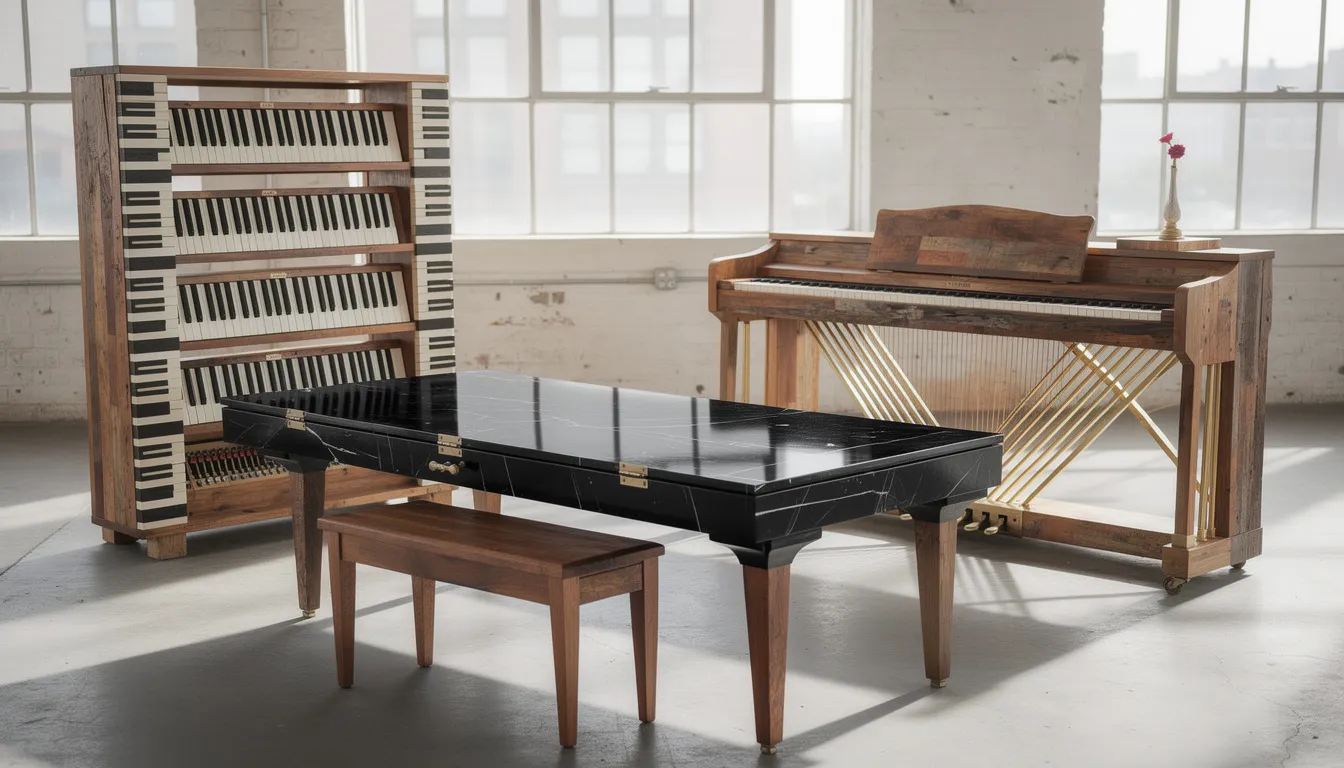
Eco-friendly piano disposal is becoming a selling point for removal companies. If this matters to you, make it part of your vetting process.
How to Choose a Piano Removal Company
A bit of research before booking can prevent damage, surprise fees, and scheduling headaches.
Key vetting points:
- Years in business and specific piano experience (not just general furniture moving)
- Proof of insurance covering both the instrument and your property
- Online reviews dated within the last 12–18 months
- Clear written estimates with no hidden fees
- Willingness to answer detailed questions
Pre-booking questions to ask:
- “Have you moved a grand piano from a second floor with turns?”
- “How do you protect floors and banisters during the job?”
- “What specialized equipment do you use?”
- “What happens if something is damaged?”
- “Do you dispose, donate, or recycle removed pianos?”
Same-week or next-day availability is a selling point, but peak moving months (May through September) book up quickly. Plan ahead if your timeline is flexible.
Scheduling Your Piano Pick-Up
The typical scheduling process in 2025 follows a straightforward sequence: initial contact, sharing photos or videos, receiving an estimate, and locking in a 2–3 hour arrival window.
- Before the crew arrives: Clear a path from the piano to the exit by removing rugs, small furniture, and artwork from tight hallways the day before
- On removal day: Most companies require an adult on site to sign paperwork and handle payment; many offer contactless payment options once the removal is complete
- After removal: Reputable crews will sweep or vacuum the area, note any minor scuffs, and confirm nothing else in the room needs attention
- Payment: Expect to pay the agreed amount unless the job was significantly different from described; tips for crews are appreciated but not required
- Plan ahead: Schedule removal at least 1–2 weeks before key dates like closings, lease ends, or major renovations to avoid rush fees and last-minute stress
Key Takeaways
- Professional piano removal typically costs $300–$600, with grand pianos and stairs pushing prices higher
- Selling works best for newer, maintained instruments—but expect weeks or months to find a buyer
- Donation is possible but selective; most charities have strict requirements about condition
- DIY removal carries serious injury and property damage risks; limit attempts to smaller, ground-floor instruments
- Eco-friendly disposal options exist—ask haulers about recycling and repurposing policies
- Get 2–3 quotes, verify insurance, and read recent reviews before hiring any service
Conclusion
Getting rid of an unwanted piano doesn’t have to be impossible—it just requires matching your instrument’s condition and your timeline to the right removal path. If your piano is in great condition and you’re not in a rush, selling or donating might put it in a new home where it can make music again. If time is tight or the instrument has reached the end of its useful life, professional removal services offer a stress-free way to reclaim your space.
Start by assessing your piano honestly: age, brand, condition, and any access challenges. Then get 2–3 quotes from local piano movers or junk removal companies this week. The sooner you have real numbers in hand, the easier it becomes to make a decision you won’t regret.
Your piano served its purpose. Now it’s time to let it go—safely, affordably, and with as little hassle as possible.