
Rewriting Rap, R&B and the Global Club Sound (March 2026)
Indie Artist In March — Blowing the Lights Out
Some months simply bring new releases. March, when it hits properly, exposes a whole nervous system. That is what this lineup feels like. Not a neat parade of names. Not a stack of interchangeable uploads. A system of pressure points. A set of artists working from different cities, different traditions, different survival codes, but all pushing toward the same result: music with enough weight, mood and self-definition to blow the lights out of polite expectations. The phrase fits because this is not background music. It is music that cuts the power to stale categories and forces listeners to recalibrate around feeling, force, texture and intent.
There is a reason the center of gravity here moves so naturally between rap, R&B, trap, drill, Afrobeats, Amapiano and hybrid club production. Independent music in 2026 does not wait for permission to cross borders. These artists are not treating genre as a wall; they are treating it as available material. Some arrive with bruising 808 architecture and regional slang sharp enough to leave marks. Others move with close-mic vulnerability, pillow-soft harmonies and slow-burning melodic confidence. Some are clearly thinking like engineers and label-builders as much as performers. Others are still raw enough that the urgency is the point. Together they sketch a much more honest map of where the underground is going.
That also makes this a story about scale. A lot of these artists are working in the zone where identity and infrastructure are being built at the same time. They are writing songs, but they are also teaching listeners how to hear them. They are building scenes, brands, aesthetics and methods of survival around those songs. That is why this feature has to breathe as an editorial piece rather than a list. The through-line is not that everybody sounds the same. The through-line is that each of them, in a different way, is trying to make music strong enough to light its own room.
The Pressure Arrives First
The opening stretch of this feature is defined by pressure. Not just sonic weight, though there is plenty of that, but psychological pressure: beats built like enclosed weather systems, hooks pushed through distortion and fatigue, bars that do not ask to be admired so much as absorbed. That is part of why artists working at the intersections of rap, trap and electronically inflected production feel so potent right now. Their records are built to survive multiple listening environments at once — earbuds, cars, late-night rooms, playlist scrolls, the half-focused drift of a long commute — and they know that to last in those spaces, atmosphere alone is not enough. The records need a shape that grabs.

jaybuddz
Jaybuddz’s latest work lands like a cinematic late-night drive: trap drums and distorted guitar collide with pop-leaning hooks, cinematic pads and punctuated, urgent verses. The production refuses to be polite — sub-bass rattles the chest while melodic choruses soften the edges — creating a push-and-pull between polish and grit. Vocally he switches fluidly from clipped, rapid-fire bars to a weary, almost crooning delivery, letting hard-hitting metaphors land with the gravity of someone who’s lived the lines he spits. The soundscape is raw but intentional, alternately sparse and maximalist, and it frames lyrics that are unapologetically explicit without feeling gratuitous: every expletive and confession serves the narrative tension and the emotional arc of each track.
At 36, Jaybuddz is a Niagara Falls native who has quietly built a reputation as a versatile artist and hands-on producer. He blends rap, trap, pop and rock not as a gimmick but as a language he’s fluent in, shaping songs that center on love, loss, ambition and betrayal. Influences like Joyner Lucas, Post Malone and King Von show up not as mimicry but as reference points — a hunger for storytelling, a penchant for melody, and a streetwise bluntness. Known for sharp lyricism and an ability to craft compelling narratives, Jaybuddz positions himself as a creative powerhouse who writes from experience and arranges with an ear for emotional detail.
This record matters because it stakes a claim in the crowded landscape by privileging honesty over trend-chasing. Jaybuddz bridges scenes — the mainstream desire for melody and the underground demand for authenticity — and in doing so offers a template for cross-genre storytelling that feels both personal and universal. For listeners tired of sanitized vulnerability or hollow bravado, his music delivers a necessary middle ground: songs that bruise and console, that can soundtrack late nights and catalyze conversation about where emotion meets edge in contemporary music.
There is also something useful about how Jaybuddz fits into the larger March picture. He is part of a class of independent artists refusing the old split between “accessible” and “real.” The melodic instincts are there, the hooks are there, the emotional framing is there, but none of it arrives in a sterilized form. That matters because a lot of rap-adjacent crossover music loses force as soon as it reaches for breadth. Jaybuddz does the opposite. He uses breadth to widen the emotional stakes. For listeners wanting a direct entry point into that mood, the available YouTube performance/release link gives the project another lane of access without softening the core identity.

tone123
“tone123” arrives as a breathless collision of subterranean low end and crystalline atmospherics, a record that dresses hip-hop rhythms in the language of modern electronic production. Crisp, skittering hi-hats and 808 pulses lock with glacial synth pads and clipped samples, while vocal lines push between rapid-fire cadence and spacious, almost spoken-word intervals. The result is a vivid, cinematic vibe that feels at once intimate and stadium-ready: shadowy, urgent, and meticulously textured.
Anthony Cairns is the architect behind this hybrid—an artist from the ever-evolving world of electronic music who has carved out a distinctive niche. His sound transcends conventional boundaries and he has emerged as a pioneering force whose innovative soundscapes and relentless creativity have captivated listeners and critics alike. Tone123 underscores his dedication to craft and unique approach to genre blending, marrying electronic nuance with hip-hop grit in service of a passionate, singular expression that defines his artistic journey.
Why this matters: tone123 doesn’t just add another record to a crowded field; it models how genre can be a palette rather than a prison. By folding electronic timbres into rap frameworks, Cairns expands what hip-hop production can feel like—more porous, more cinematic, and emotionally wide. With artwork available that complements the sonic world, this release points to a future where boundaries dissolve and creative risk becomes the benchmark for impact.
That makes tone123 especially important in a month like this, because the project shows how experimental instinct can still remain legible. There is no confusion in the mood. The textures may come from electronic music’s more exploratory corners, but the emotional pull is immediate. Listeners who want to follow that line further can move from the artist’s Electro Vibing blog presence to the more direct artist-to-listener ecosystem of Anthony Cairns on Bandcamp, which only strengthens the sense that this is a practice, not just a single upload.

nobodymusic
“Engineering Dark Trap: The Sound Design and Arrangement Strategy Behind NobodyMusic’s Catalog” arrives as a study in controlled menace: punchy, tightly tuned 808s that hit like a pressure wave, layered melodic textures that hover between icy bell tones and warm, detuned pads, and cinematic string work that lends a filmic gravity to otherwise minimal arrangements. Drums snap with the bounce of Southside-inspired rhythmic patterns, but restraint is the point—space is engineered into the mix so hi-hats flicker and snares cut through without clutter. Transitions are surgical—reverse risers, filtered drops and micro-breakdowns create momentum while preserving an ominous, head-nodding vibe that keeps each beat replayable and artist-ready.
Behind the mechanics is a Midwest/Detroit-influenced producer who builds clean, hard-hitting beats designed to leave room for vocals. NobodyMusic specializes in dark, minimal, aggressive production, drawing clear inspiration from Icewear Vezzo, Chicago drill, and contemporary trap aesthetics. Technical discipline shows in the catalog: heavy low-ends are controlled, mids are uncluttered, and reverbs are tastefully restrained. Beyond off-the-shelf instrumentals, NobodyMusic offers custom beats tailored to an artist’s specific sound, energy, and delivery, marrying sonic identity with practical arrangement choices for performance and placement.
The significance is twofold: sonically, this approach establishes a cohesive signature across multiple charting placements, proving that mix discipline and deliberate arrangement can be a commercial differentiator; culturally, it refines a regional trap-drill lexicon that prioritizes space and vocal clarity. For artists, producers, and A&R scouts, NobodyMusic’s work is a blueprint for building dark, high-impact tracks that read equal parts club-ready and playlist-friendly—music engineered to land and linger.
NobodyMusic also sharpens one of the clearest themes running through this whole article: independent artists and producers are becoming harder to separate. In one sense this has always been true underground, but the current version feels more exacting. Producers are not just making serviceable backdrops anymore. They are crafting sonic identities with enough consistency that the production itself becomes a reason to return. That is the case here. The official Spotify link for NobodyMusic works as both listening point and proof of concept: space, impact, discipline, repeat value.
When Production Starts Acting Like Biography
One of the strongest qualities in this March field is how often the records feel like extensions of the people making them. Not because everybody is spelling out autobiography line by line, but because the production choices themselves carry social information: who values spaciousness, who values abrasion, who wants intimacy to feel expensive, who wants grit to stay unpolished, who wants the club and the confessional to sit in the same room. That is one reason a producer-DJ-engineer cluster matters so much in this story. These are artists shaping emotional weather at the level of texture.

mrlee
mrlee’s latest offering arrives as a study in restrained intensity: a lacquered collusion of low-end warmth, glassy high frequencies and percussion that clicks with machine-like precision. The tracks unfold like cinematic vignettes — intimate vocal fragments drift over roomy reverbs while taut synth lines and buried field recordings push and tug at the stereo image. The overall vibe balances analog heft with digital clarity, inviting repeated listens to trace the subtlest automation rides and textural shifts that reveal themselves slowly but rewardingly.
Who stands behind this meticulous sound? mrlee is a practicing sound engineer and music producer, and that dual role is the engine of the record. The fingerprints of studio craft — surgical EQ choices, layered harmonic saturation, nuanced panning — make it clear these are decisions from someone fluent in both technical signal flow and musical narrative. Accompanying visuals are available, reinforcing the release’s aesthetic: a visual identity conceived to mirror the record’s cool, tactile sonics and the painstaking attention to detail that only a hands-on engineer/producer could deliver.
The significance of mrlee’s work lies in its insistence that production is not mere polish but storytelling. In an era of bedroom demos and algorithmic playlists, this release argues for production as an expressive language, one that shapes emotion as much as melody or lyric. Beyond immediate listening pleasure, it marks mrlee as a practitioner whose technical mastery amplifies artistic intent — a blueprint for producers who want to make every mix matter and for listeners who crave depth beneath the surface.
Placed inside this March lineup, mrlee reads like a stabilizing force: a reminder that technical seriousness still registers emotionally when it is applied with taste. A lot of independent music gets discussed as if immediacy and craft are enemies. They are not. mrlee’s presence makes the opposite case. The more carefully the record is built, the more deeply its atmosphere lands.
dj-majestik
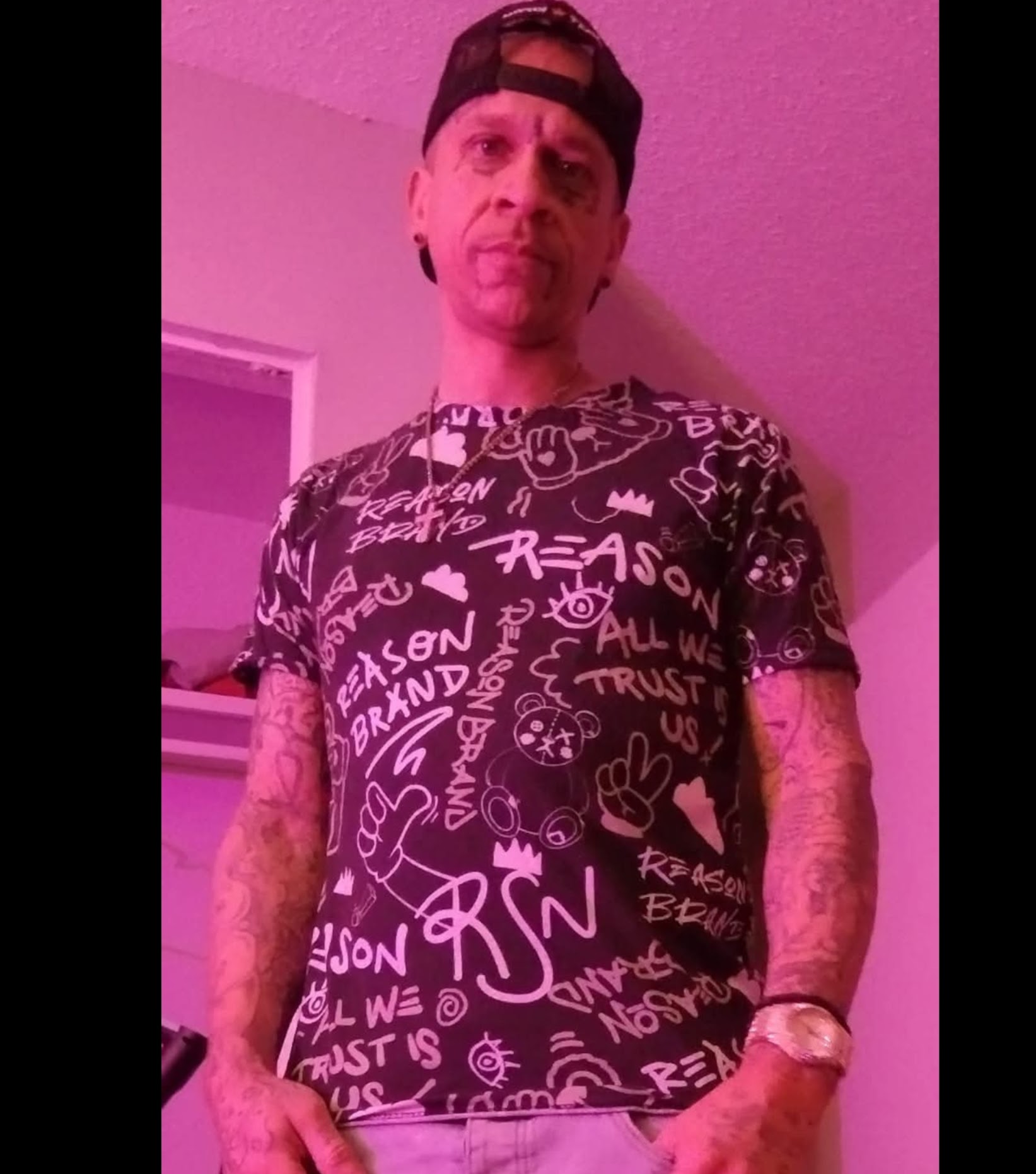
dj-majestik’s new R&B/Soul offering arrives as a late-night transmission: satin-smooth chord progressions float over a low, warm sub-bass while crisp, syncopated percussion and neon-tinged synths carve out a club-ready groove that never loses its intimate pulse. The production balances electronic sheen with soulful restraint — pads and vocal-leaning samples breathe between tight drum hits, creating a cinematic, smoky atmosphere that feels equally at home in a dim lounge or a packed dancefloor. Moments of restrained tension and tasteful drops keep the momentum, revealing an ear for dynamics that lets both rhythm and melody tell the story.
Behind the boards is a straightforward manifesto: IM A DJ …I MAKE CLUB MUSIC ..ELECTRONIC ..ETC ..PLUS MAKE ANY OTHER TYPE BEAT U Want. Those words are instructive — dj-majestik is first a DJ and producer comfortable in club contexts and electronic idioms, but explicitly versatile, offering to craft beats across styles. That pragmatic, service-oriented bio signals a hands-on creator who writes with DJs, vocalists, and collaborators in mind, willing to pivot from tight club rollers to more classic R&B or experimental soulful sketches. Press materials list an image as available, reinforcing a ready-for-promotion artist who understands both sound and presentation.
Why this matters: dj-majestik exemplifies the modern producer who collapses genre boundaries, bringing club energy into R&B/Soul without erasing emotional nuance. In an era where playlists and live sets demand adaptability, a creator who can tailor beats “you want” and package them with visual assets is a potent force — primed for collaborations, remixes, and sync opportunities. This release signals not just a record but a strategic blueprint for how producers can shape contemporary soul through the lens of the dancefloor.
There is a wider cultural lesson in that flexibility. The best independent artists in this field are not chasing versatility as a branding cliché. They are using it as survival intelligence. dj-majestik sounds like somebody who understands that one lane is rarely enough anymore, especially when the same listener might want tenderness at midnight and movement at 1 a.m. The official Spotify track link gives that proposition a concrete home.

sqwid
“sqwid” lands like a midnight transmission from the city’s underbelly—tight, rattling percussion sits against syrupy sub-bass while brittle synth stabs and warped vocal samples flicker in the stereo. The production’s palette is both raw and meticulous: kick drums hit with textbook punch, hi-hats scuttle in unpredictable patterns, and the occasional cinematic swells give the tracks a claustrophobic widescreen quality. It’s hip-hop that favors texture over flash, a mood-making record meant to be felt in chest cavities and car trunks alike; the available cover image mirrors that nocturnal, neon-lit tension.
Behind the boards is a beat maker and producer at Uptown City Recordz, and that credit is not incidental. As a studio architect, sqwid demonstrates an intimate command of space, layering and decay—classic producer moves executed with modern subtlety. The record reads like the work of someone who spends more nights than not in the control room, shaping other artists’ voices and carving grooves that serve the song first. You can hear the lineage of crate-digging sensibilities, but also a willingness to push stems through distortion, resampling and precision automation.
The significance of “sqwid” is cultural and practical: it’s a reminder that production now often is the headline. For a scene hungry for tactile sonics, this release offers a blueprint for how beats can carry narrative weight without overshadowing MCs. At Uptown City Recordz the single strengthens the label’s sonic identity, and for listeners it expands the vocabulary of contemporary rap—compact, ominous, and quietly influential in how future tracks will be conceived and mixed.
sqwid also embodies another March theme: infrastructure at the local level still matters. You can hear label-room thinking in the way the track is arranged, and you can trace the artist’s ecosystem through the verified links already attached to the project — the official Spotify release, the available YouTube video, and the producer-facing storefront on BeatStars. That is not clutter. That is evidence of a working independent circuit.
The New Geography of Urgency
What makes this lineup feel alive is how decisively it refuses one center. Niagara Falls, KwaZulu-Natal, Benin City, Bulawayo, Texas, New Orleans, Carbondale, Bothaville — the places matter, and not in a decorative way. They are not props. They shape cadence, ambition, melodic instinct, local slang, beat feel and how risk is understood. A lot of mainstream coverage still treats independent urban music as if it radiates outward from a handful of obvious hubs. This feature shows something else: the signal is distributed now, and sometimes the artists furthest from the supposed center are the ones defining the sharper edge of what comes next.

aslamic0
aslamic0 hits like a defiant sunrise over a city that knows how to grind. The production is lean and kinetic — sparse piano stabs, rattling hi-hats and a low, ominous bass that gives the verses room to breathe. ASLAMICO rides the beat with measured cadence and a raw, conversational flow that alternates between braggadocio and quiet conviction. The single’s sonic palette nods to contemporary trap while letting pockets of local cadence and grit slip through, creating a vibe that feels both globally fluent and distinctly KwaZulu-Natal in texture. It’s a track built for late-night reflection and midday motivation, an anthem for stepping up rather than waiting on handouts.
Behind the mic is Sibusiso Nene — known professionally as ASLAMICO — a rapper from Newcastle in KwaZulu-Natal whose backstory informs the song’s refusal to rely on others. He’s an artist who wears his origins plainly: tough streets, determined hustle, and an appetite for collaboration across genres. Open to working with musicians of any background, Nene has made his work accessible everywhere listeners live today — Spotify, YouTube, Apple Music and all major platforms — signaling a modern artist who understands reach as well as craft. The image accompanying the release underscores a disciplined persona: unvarnished, deliberate, and ready to expand.
What matters about aslamic0 is its thesis of self-reliance delivered without clichés. In an era where features and algorithms often dictate career moves, ASLAMICO’s clear message — be yourself, step up, don’t wait — feels necessary and invigorating. The track stakes a claim for personal agency in the South African hip-hop landscape and beyond, offering a template for artists who want authenticity over easy validation and making it clear that independence can sound as compelling as any viral hook.
In the context of this issue, aslamic0 sounds like an artist turning motivational language back into something hard and usable. That matters. Too much self-belief rhetoric in music today arrives pre-softened. This does not. It still carries pressure. The verified Spotify link offers the clearest path into that tension between message and muscle.
johnepic
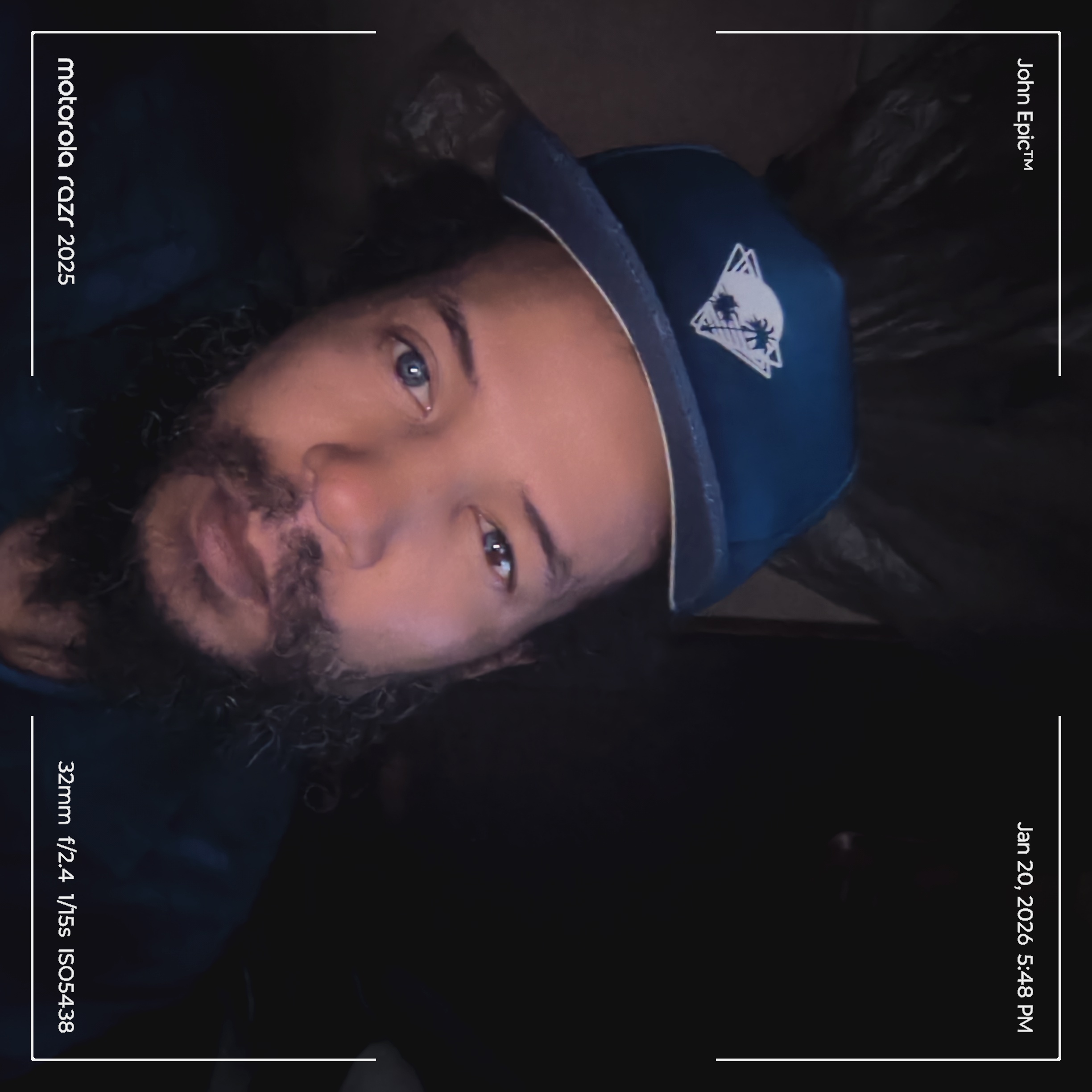
On first listen, johnepic’s palette feels cinematic and immediate: orchestral sweeps crash headfirst into the gritty pulse of trap, horns and strings swelling above staccato hi-hats and 808s. Songs like “Diamonds” and “Munster” don’t linger politely in the background—they move like set pieces, staging tension and release with blockbuster instincts. New release “Denied” tightens the formula, layering moody, film-score textures over sharp, punchy rhythms that insist you either move or think—often both. The result is an adrenaline shot of sound that is simultaneously grand and grounded, a soundtrack for late-night streets and widescreen daydreams alike.
Johnepic is billed as the sonic architect carving a bold lane in instrumental music, and the particulars of his craft prove it. He fuses epic orchestral traditions with the swagger and percussion vocabulary of trap and hip hop, deliberately blurring genre lines. “Diamonds” and “Munster” showcase his knack for cinematic sound design and dynamic structure; “Denied” finds him revisiting moodier timbres and tighter rhythmic punctuation. Rather than the florid maximalism of some beatmakers, his work balances scale with grit—drawing from film-score drama while staying rooted in urban momentum and beatwise discipline.
Why this matters: in a crowded beat scene johnepic reminds listeners that instrumental hip-hop can be both expansive and immediate, a domain for storytelling as much as for groove. His synthesis of score and street widens the vocabulary for producers and curators alike, opening room for instrumental tracks to command playlists, soundtracks, and the imagination. If instrumental music is reclaiming center stage, johnepic is one of its more persuasive ringleaders.
The other thing johnepic clarifies is that “instrumental” no longer means secondary. These tracks are not waiting to become something else. They already are the event. In a month crowded with strong voices, that is a valuable disruption. The cleaned link to the official Spotify release points directly at that proposition.

cdoughgg
On “cdoughgg,” MILLION DOLLA VISION folds classic R&B warmth into a modern, late-night hush. Sparse electric keys and velvet bass cushion a breathy lead vocal that leans into falsetto; subtle trap-tinged percussion and lo-fi tape hiss keep the song intimate rather than ornate. The track feels like a half-whispered confession — “a lil love song for lil shordy” — equal parts longing and celebration, with call-and-response ad-libs that make the hook stick. It’s widescreen soul scaled down to a pocket-sized, repeatable groove.
MILLION DOLLA VISION is presented bluntly in the credits: the name appears in full caps, accompanied by the dancing emoji 🕺🏾 and the rallying cry “shoutout dem boys.” The input also links him to LLJdub and oceanic symbols 🦈🌊, a small constellation of signifiers that read as crew, alter ego and aesthetic shorthand. An image is available, reinforcing that this project is as much about persona and visual code as it is about vocal craft; he cultivates intimacy through minimal reveals and communal nods rather than overt exposition.
That blend of private feeling and communal signaling is why “cdoughgg” matters: it translates a simple love song into shared shorthand for a generation fluent in emojis and shoutouts. In R&B/Soul terms the record reminds listeners that vulnerability can sit beside swagger — a compact emotional statement built for playlists, late-night drives and the social circuits that turn small moments into cultural touchstones. For MILLION DOLLA VISION, it’s both a stylistic claim and an invitation to a wider conversation.
It is also one of the clearer examples in this article of how small-scale records can still feel socially legible. The song does not need to over-explain itself. It trusts tone, gesture and repetition. That kind of confidence is a form of editing, and it is part of what keeps the best indie R&B from collapsing into vagueness. The official Spotify release makes that compactness easy to revisit.

thattho3
That’Tho3’s new single lands like a mirror held up to the city: hard-hitting drums, smoky low-end and clipped, conversational flows that turn the refrain “Can’t see no change in the world, until you change with yourself” into a mantra. Production alternates between austere piano stabs and skittering hi-hats; vocal delivery shifts between scorn and sermon, calling out the posturing with a line like “Don’t say you been there and you done that, and you don’t do that shit yourself.” There’s an urgent immediacy here—no sentimental pity for the shuffled hand, only the command to play it.
That’Tho3 — stylized Thattho3 and punctuated by the rallying cry “Can I Get it back though? THATTHO3! Right here, Right now.” — is a hustler with coordinates: born in area code 314 and raised in 702. Performing the art of Rap & HipHop, his bio repeats a creed: “We Keep Going, We Keep Growing, And we Keep Grinding!” He posts as that.tho3 on Instagram and openly wants to “grow on each other.” Those specifics tether his work to geography, grind and a communal ambition that fuels the music.
This record matters because it refuses to sanitize struggle while demanding personal accountability — a timely counter to blame-driven narratives. In a genre that prizes bravado, That’Tho3 flips the script so self-change becomes the real flex. The track’s blunt honesty, regional roots and relentless energy give it traction across playlists, car stereos and late-night sets, staking a growing artist’s claim not just to survival, but to mastery of the hand he’s been dealt.
That stance is part of why thattho3 belongs in the center of any conversation about what independent rap still does better than the mainstream. It can be more direct without becoming flatter. It can be motivational without losing bite. The official Spotify artist page gives the clearest verified entry point into that ongoing voice and worldview.
gasboyy0
GasBoyy0’s sound unfurls like a late-night conversation between R&B warmth and Afro Hip-Hop grit: velvet vocals ride over a low, patient bass, while syncopated percussion and minimal, atmospheric keys give room for each bar to breathe. The production favors restraint over flash, letting streetwise cadences and soulful melodies intersect so that emotion feels both immediate and carefully tempered. Moments of raw confession sit beside polished hooks, creating a vibe that is intimate enough for headphones and broad enough for a spare, emotive stage set.
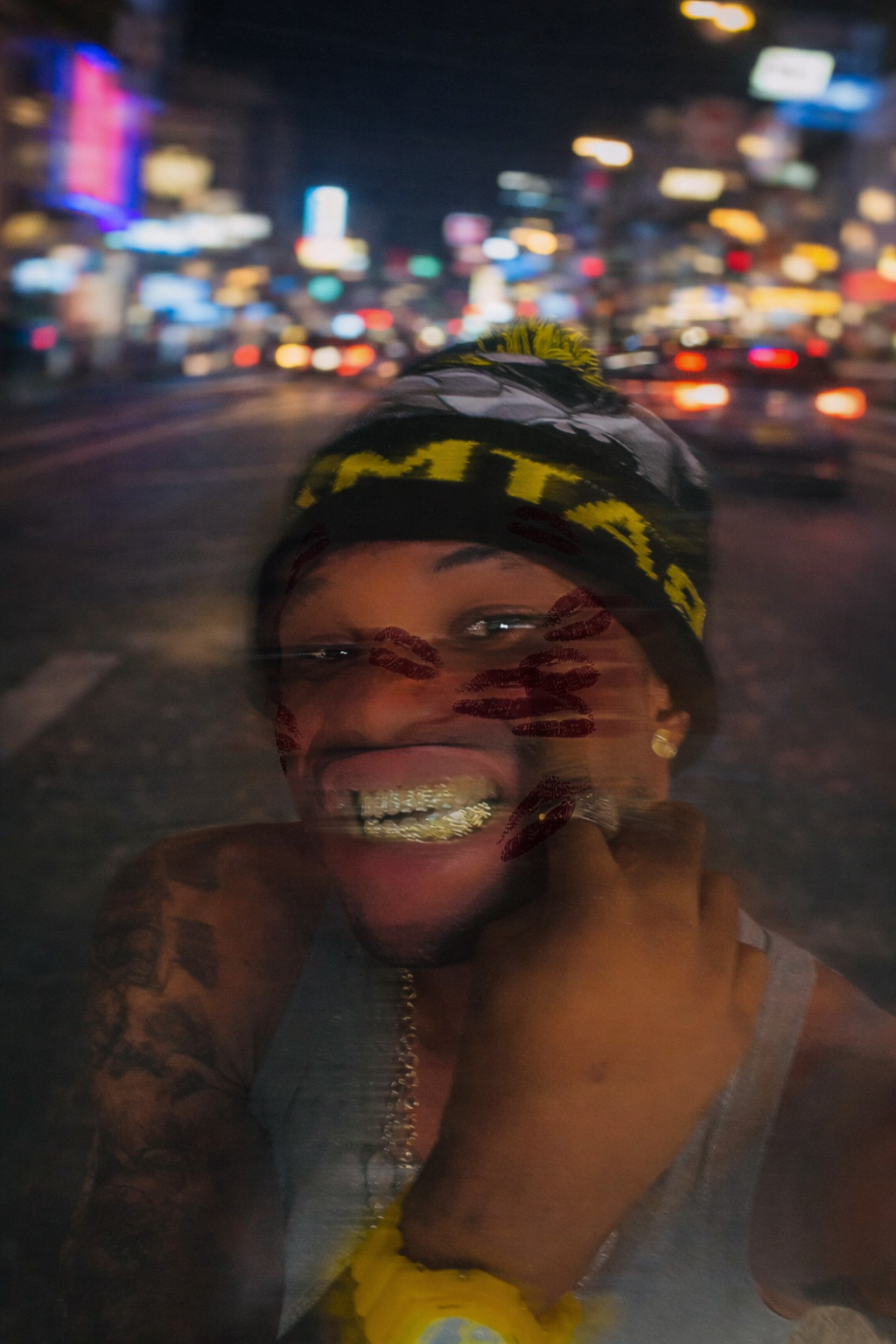
Behind that sound is a clear proposition. GasBoyy0 identifies as an Afro Hip-Hop artist committed to real emotion, discipline, and growth; his music explicitly reflects street awareness, personal struggles, and the mindset required to keep moving forward despite pressure. He insists he doesn’t make noise for its own sake but makes records with purpose, clarity, and direction — a fact he reiterates as the reason his story and sound reach people hungry for progress and authenticity. He’s also engaged with press visually: an image is available for features and promotion, and he’s expressed enthusiasm about contributing to this interview series.
Why this matters now is obvious: in a landscape where spectacle often drowns nuance, GasBoyy0 offers disciplined storytelling that bridges contemporary R&B and Afro-rooted hip-hop sensibilities. His combination of vulnerability and resolve provides both catharsis and a roadmap for listeners facing similar pressures. Long-term, that sincerity — paired with purposeful production — positions him to be a resonant voice for audiences seeking music that aims not only to soothe but to push forward.
GasBoyy0’s significance inside this feature is that he gives the conversation another tonal register: not less serious, not softer, just differently composed. The emotion is controlled, the intent is explicit, and the official Spotify track link makes it easy to hear how that balance between purpose and atmosphere actually works in motion.

crystal789
On “Pj to rio” crystal789 folds warm, late-night production around a confessional rap flow, creating a sound that feels equal parts intimate diary and cinematic stroll. Sparse trap drums push the track forward while mellow keys and a low, rounded bassline color the verses with nostalgia; subtle string swells lift the hook into something almost hymn-like. The vocal sits close to the mic—breathy, earnest—so every line about first-love devotion lands with palpable weight. It’s a low-contrast, emotive vibe that trades flash for feeling, a song built to be replayed in quiet rooms when memory and longing take over.
crystal789 is a young vocalist and songwriter who’s already carved out an impressive creative regimen—over 100 songs written and counting—which shows in the ease of phrase and the economy of emotion here. The song’s muse, PJ to Rio, is presented as a private, foundational love—“my number one lover”—and the lyrics read like a catalogue of gratitude: patience, care, constancy even without a conventional breakup narrative, only the sway of fate. The artist’s voice is at once vulnerable and practiced, revealing a writer comfortable with craft and a performer who understands how to shape intimacy into rhythm. An image for the release is available, suggesting a visual component ready to amplify the track’s personal storytelling.
Beyond a single mood piece, “Pj to rio” matters because it re-centers tenderness in hip-hop’s vocabulary of love. crystal789’s refusal to dramatize or vilify the first-love canon—opting instead for appreciation and acceptance—makes the track a quiet corrective to breakup anthems and boasts. For a young, prolific creator, this single stakes a claim: emotional honesty can be chart-ready, and the soft power of gratitude can resonate as deeply as heartbreak. It’s the kind of song that could deepen a listener’s library and deepen the artist’s rapport with an audience hungry for sincerity.
The detail about this being a collaboration between crystal789 and O9er gives the record an additional angle: it is not only private memory turned into song, but collaboration used to stabilize that memory into form. That collaborative instinct matters in a month like this, where artists are often building upward without huge institutional backing. The verified Spotify track link puts that emotional precision in easy reach.
Style, Distribution, Movement
A strong independent scene is never just about audio files. It is about how identity travels. That can mean visual language, fashion, local slogans, platform choices, metadata discipline, direct-to-fan links, the courage to push a sound as a movement instead of a one-off post. Several artists in this March run understand that instinctively. Their songs are important, but so is the frame they are building around the songs — not as cynical branding, but as a way of making sure the work lands in public with enough context to survive.

ahkdigitalz
“Sound wear you can feel!” is more than a tagline on Ahk DaDigiDesigna’s latest output — it’s a manifesto. Talk Ahk’s (aye Kay’s) newest music lands like custom footwear for the ears: textured, sculpted low end, crisp percussive snaps and glossy synths that sit like leather against skin. The single “Best Designer,” released in June 2025 through LuxlandBeatz, stitches together trap swagger with soulful cadence, while cuts like the teased “Country Trap Queen” suggest a genre-bending wardrobe. Production is tactile: you sense the beat’s weight and the designer-level polish in every bar, a hip-hop collection you can almost wear as you move.
Behind the sound is AhK DaDigiDesigna — a digital creator, artist and beat producer split between Odenton, Maryland and Goldsboro, North Carolina. Originally performing as AKirAHk and now rebranded to AHK (credited on June’s single as Ahk Ay Kay DaDigiDesigna), she runs the LuxlandBeatz label and pairs records with a fashion line, AHK KYQZ designer footwear. Her calendar includes a debut album slated for October 31, 2025. She planned to promote “Country Trap Queen” and her footwear at the Boots on the Ground 2 step dance competition in Zebuland, NC in October 2025, but transportation issues sidelined that appearance. Ahk maintains an active presence on Instagram and Facebook, where she prototypes looks and drops studio fragments.
Why this matters: Ahk is building a synesthetic brand that fuses sound, style and movement into a single cultural product. In an era where artists monetize aesthetics as much as music, her tactile production and designer footwear create multiple entry points for fans — from streaming playlists to streetwear. The missed dance showcase was a setback, but the momentum behind “Best Designer” and a Halloween album launch positions AHK as an emergent voice in contemporary hip-hop, promising a sensory-rich approach to rap that feels as much like fashion as it does music.
That wider frame is exactly why ahkdigitalz belongs here. The project is not only about the record but about circulation through visual and lifestyle channels. The verified YouTube short and the live extension through the AHK footwear page show how the identity is being built across formats without diluting the music-first proposition.
1122quietvibes
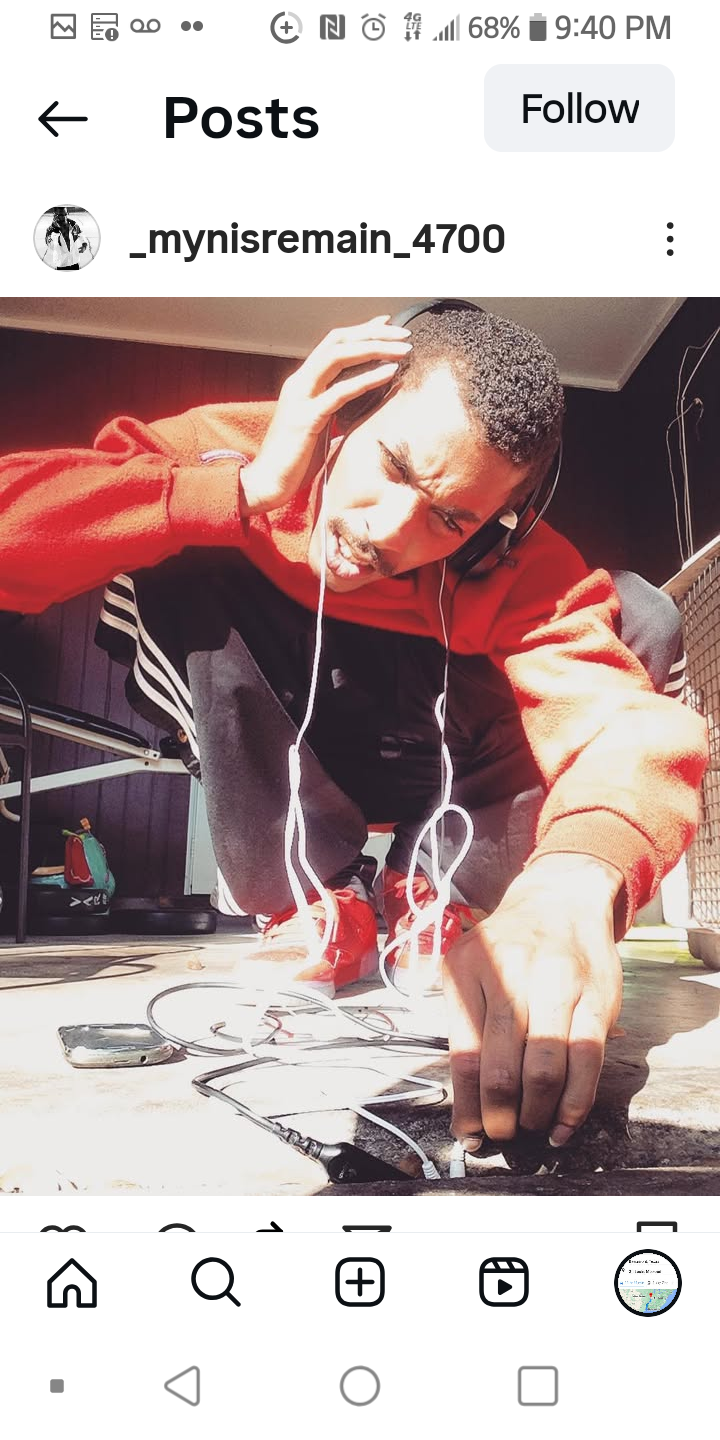
1122quietvibes arrives with a sound that feels like sunlight through stained glass—smooth R&B and deep soul woven over satin-slick production. Warm, intimate vocals glide over syncopated low-end and gentle keys, alternating between lit, late-night grooves and tender, romantic balladry. Tracks lean motivational without losing sensuality: layered harmonies lift choruses into small, celebratory catharses while restrained percussion keeps the pocket tight. The overall vibe is uplifting and cinematic, the sort of music that turns ordinary moments—morning coffee, a slow drive, a quiet conversation—into scenes in which you matter.
Born in Beaumont, Texas and raised in St. Louis, Missouri, 1122quietvibes carries a bi-regional sensibility that colors both storytelling and tone. The artist’s stated ethos—“Be You Stay You Stay Loved When Theres No Love do better to get better”—isn’t marketing copy but a throughline: songs emphasize authenticity, resilience and the pursuit of growth. That philosophy animates lyrics that alternate between self-affirmation and romantic reassurance. The project is being shared through modern channels, with distribution via UnitedMasters and a curated presence on YouTube, reflecting a DIY energy married to professional ambition.
Why this matters: in a crowded R&B landscape, 1122quietvibes offers a rare blend of encouragement and intimacy, giving listeners music that’s both a soundtrack for personal improvement and a companion for heart-led moments. It’s the kind of release that can nudge someone to keep going, to love better, and to celebrate who they are—making it not just enjoyable, but genuinely consequential in listeners’ emotional lives.
That emotional generosity deserves to be read as part of the artist’s infrastructure, not just the mood of the songs. The direct artist routes on UnitedMasters and YouTube reinforce the sense of a project that wants to meet listeners where they already live, without sacrificing coherence.
slimetee056
On “Straata” slimetee056 carves a sweaty, sun-baked lane through Afrobeats and Amapiano, where log-drums rattle like taxi meters and a sub-bass hums with on-the-block persistence. The record feels less like a single and more like a manifesto: groove-first percussion, percussive piano stabs, and call-and-response chants that speak of hustle, late-night corner talks and the rhythm of small-town markets. It’s raw street energy filtered through dancefloor sensibilities — a soundtrack built for Bothaville stoops and city clubs alike.
There’s no glossy press bio here; the music is the biography. slimetee056 wears Free State influence on the sleeve — Bothaville culture, township slang and local cadences shape phrasing and cadence — and Ba Straata 2.0 reads as an evolution rather than a reboot. Where Ba Straata 1.0 was scrappy and DIY, 2.0 shows clearer arrangements, sharper vocal hooks and a willingness to marry street grit with studio polish, revealing an artist learning to translate lived experience into wider sonic architecture.
Why this matters: Straata is being positioned as a cultural movement — hustle, groove and lifestyle — not a disposable hit. It stakes a claim for street-rooted Amapiano against increasingly commercial templates, insisting that authenticity can also be danceable and stream-worthy. Stream and follow the movement: Spotify (https://open.spotify.com/search/slimetee056%20Straata), Apple Music (https://music.apple.com/us/search?term=slimetee056%20Straata), YouTube (https://www.youtube.com/results?search_query=slimetee056+Straata), SoundCloud (https://soundcloud.com/search?q=slimetee056%20Straata).
That insistence on movement over moment is exactly what gives slimetee056 such importance in this lineup. Amapiano has grown so quickly, and become so globally legible, that authenticity is now one of its central battlegrounds. Straata pushes back against flattening. It argues that place, slang, local heat and community tempo still matter. The verified Spotify release and available Facebook link help ground that movement in actual listening and audience touchpoints rather than vague rhetoric.
Ownership, Legacy, and the Indie Recalibration
Independence now means more than bypassing a label. It means building a framework capable of absorbing growth without giving away the core. That can involve publishing, apparel, direct-to-fan platforms, platform fluency, contest visibility, localized credibility, visual consistency and a real understanding of how songs move through digital life. Some artists in this feature are still in the earliest stages of that build. Others are already speaking like executives. Both positions matter because they show different points on the same continuum: how to keep the work yours while still pushing it outward.

only1siege
only1siege arrives as a lean, urgent statement: hard-hitting drum patterns grounded in old-school boom-bap collide with shimmering trap hi-hats and cinematic synths, creating a soundscape that feels both street-level and expansive. $iege’s cadence slices through the mix—measured bars, stripped choruses and a signature baritone that prioritizes clarity over ornament. Production feels polished like a major-label record but retains grit; samples, live guitar stabs and low-end sub-bass give tracks a lived-in heft while hooks stay sticky enough for playlists and pavement alike.
Behind the project is an artist who engineered his ascent. Hailing from Austin, Texas, $iege moved from underground rapper to multi-entity CEO, founding Moguls Overthrow Elites Publishing, MONEY HUNGRY MAFIA LLC and STAYN X HNGRY Clothing Inc. He runs a vertically integrated umbrella that spans publishing, distribution, graphics design, producing, songwriting and apparel, and he holds an associate’s degree in Art in Business of Administration. His catalog on Spotify and YouTube demonstrates a rare blend of street-smart lyricism and executive strategy.
only1siege isn’t just a release—it’s a blueprint. By retaining publishing rights and building diversified income through STAYN X HNGRY Clothing and MONEY HUNGRY MAFIA LLC, $iege dismantles the traditional label trap and models sustainable independence. The record’s taut production and his ownership-first philosophy make this an instructive, replicable case study for artists seeking creative control, proving that entrepreneurial rigor can amplify artistry without compromise.
And because this issue is about more than sound alone, only1siege becomes one of its clearest anchor points. The project embodies the argument that modern independent rap is as much about architecture as aesthetics. The verified Spotify track link, the broader Spotify artist page, and the public-facing brand portal at STAYN X HNGRY make that ecosystem visible in real time.
malegeadc
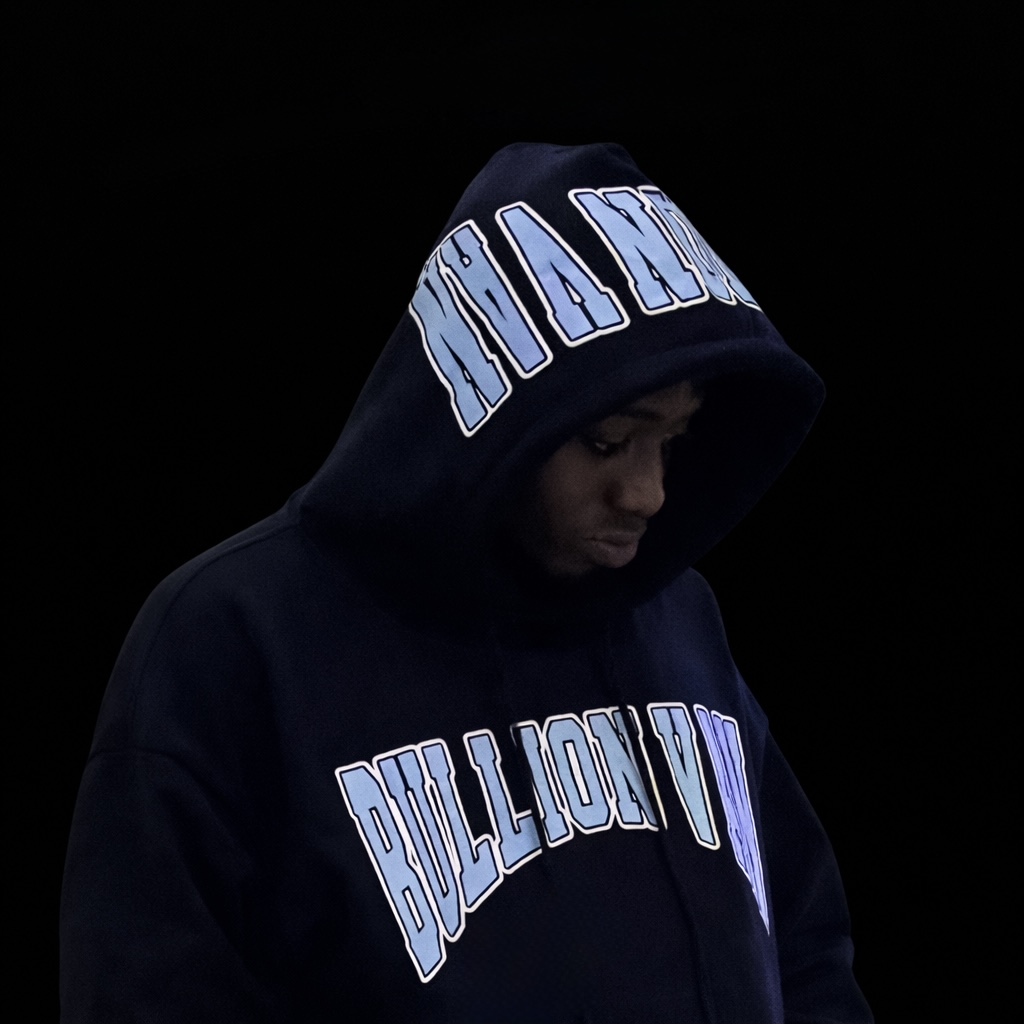
Malegea DC’s new release, “Love Love,” is a lush, textured glimpse into a romance that feels both intimate and communal. The track layers traditional Edo percussion and call-and-response motifs beneath contemporary street-leaning beats, so that rattling shakers and palm-muted drums sit comfortably alongside crisp hi-hats and rounded 808s. Malegea alternates between warm melodic hooks and plainspoken bars, folding spiritual cadences into urban phrasing; the result is a soundscape that feels ceremonial and nocturnal at once—tender where it needs to be, insistent where the city demands grit.
Nkem Udeagbara, who performs as Malegea DC, arrives as an emerging and increasingly prominent voice from Benin City. His music is explicit about lineage: it fuses traditional African rhythms with modern hip-hop energy and wears Edo culture visibly in its textures and delivery. Malegea’s artistry is not a pastiche but a deliberate representation—he borrows ceremonial tonalities, vernacular storytelling, and the moral cadence of local speech to translate heritage into contemporary song. Practically, that means every beat and lyric reads as both a personal testimony and an act of cultural preservation.
The significance of “Love Love” extends beyond a single release: it exemplifies how regional identity can recalibrate mainstream rap vocabulary. Malegea’s synthesis invites broader audiences to hear Edo spirituality and communal conceptions of love through a hip-hop lens, creating a bridge between generations and geographies. In doing so he stakes a claim for Benin City on the map of modern African music—not just as aesthetic flavor, but as an evolving source of stories, rhythms, and worth watching creative leadership.
That is one of the most exciting tensions anywhere in this March class: heritage is not treated as a museum object. It is treated as live material. Malegea DC does not use Edo references to signal prestige. He uses them to produce motion, intimacy and meaning. The verified Spotify track link grounds that fusion in an actual listening point rather than abstraction.
youngrren
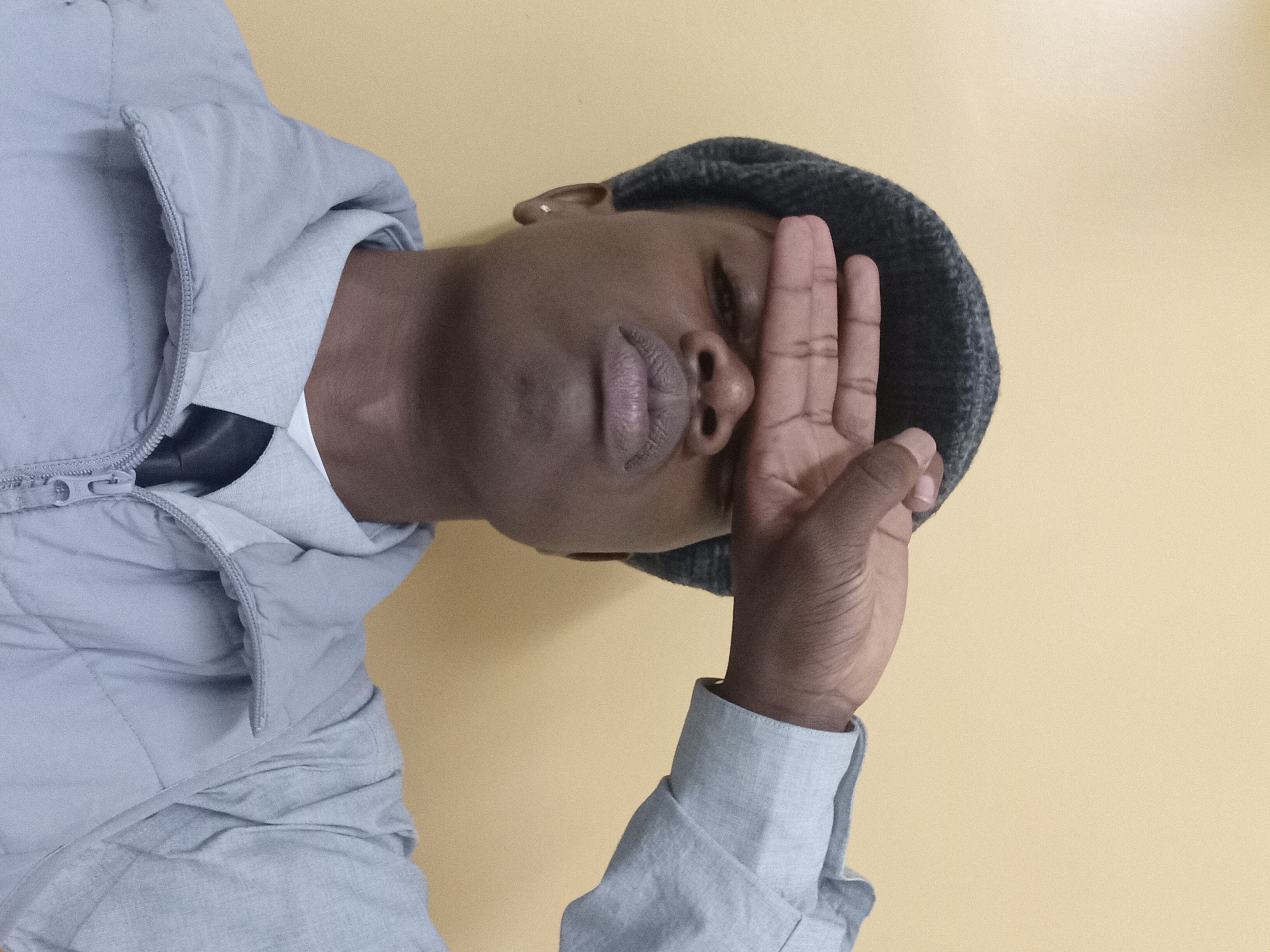
From the first bar, Youngrren lands like a defiant statement: beats that hit like a knockout punch, a production palette that balances grimy, analog textures with modern low-end clarity, and razor-sharp lyricism that never wastes breath. The sound is immediate and cinematic—sparse moments where a single drum or piano line lets Rren’s cadence breathe, then sudden crescendos where slick flows collide with hard-hitting loops and distorted synth swells. Tracks move with a pugilistic confidence; when the chorus drops or a hook arrives, it’s built to rattle the speakers and the senses. On cuts like “This is it.” featuring King Fish, storytelling sits front and center, braided with raw energy that keeps momentum taut from opener to closer.
Bigboy Rren storms the New School Hip Hop scene with a bold, unfiltered voice that insists on being heard. He carves out space in a saturated landscape by marrying influences from rap’s golden eras—punchy wordplay and narrative discipline—with contemporary grit and production aggression. The bio reads like a mission statement: authenticity is currency, and Rren spends it freely, wielding streetwise swagger and palpable hunger. He’s not another imitator; his knack for vivid storytelling, paired with flows that ride production rather than get swallowed by it, marks him as an artist intent on redefining what the new school can mean.
The importance of Youngrren’s arrival is less about trend-chasing and more about recalibration: his music demands that listeners reassess expectations of modern hip hop—lyricism can be both technically sharp and viscerally immediate, tradition can coexist with experimentation, and personality still matters. If “This is it.” is any indication, Bigboy Rren isn’t merely participating in the conversation; he’s steering it, and the throne is a very real possibility. Keep your ears peeled.
Youngrren’s presence in this article matters because it reinforces a truth that commercial rap cycles keep forgetting and the underground keeps restoring: force does not age out. Precision, charisma and hard narrative drive still move people. Even without a verified additional listening link supplied here, the profile still holds because the artistic shape is clear.

yoboi
Yo Boi’s sound lands like a controlled explosion: high-energy trap and modern hip-hop routed through inventive sound design and hard-hitting percussion that demands both head-nods and close listening. Textures shift from murky, sub-bass gutters to gleaming, radio-ready choruses, revealing a chameleon producer comfortable moving between grit and gloss. The Debut — The Top 350 Artist Selection spotlights those contrasts, and on tracks that nod to late-night paranoia and stadium-ready bravado, Yo Boi layers cinematic pads, clipped hi-hats, and razor-sharp low end into mixes that feel engineered to translate across headphones and arenas alike.
Based in Carbondale, IL, Yo Boi is a producer, engineer and artist who doubles as the creative engine behind Flytech Productions and Beats Yo Boi Inc. His résumé reads like a workshop of modern beatcraft: full beat production, mixing & mastering, songwriting and artist development are all part of his toolkit. Associated projects such as After Midnight and Owe Me Favors point to a steady run of releases, while the upcoming 2026 project Lost Angels and Empty Bottles promises to expand his palette. The Debut’s recognition—rising from a pool of 1,500 artists into the Top 350—puts his craft under a new spotlight as he chases a Top 50 berth, a $10,000 prize and a live showcase to millions.
Why this matters: the selection is more than a line on a resume, it’s catalytic validation. Exposure on The Debut’s platforms could finance future projects, amplify Yo Boi’s production services and introduce his work to collaborators and audiences who can accelerate his trajectory. For an artist who builds sounds with both machine precision and emotional intent, the chance to perform live and climb toward the Top 50 is the kind of career-defining moment that turns regional talent into a national story—expectation, pressure and possibility all locked in one beat.
It is worth stressing that point because contest recognition is often dismissed too quickly in music coverage. Sometimes it is fluff. Sometimes it is leverage. In Yo Boi’s case, it reads as leverage, especially when paired with a working production identity and songs already circulating via verified smart links like All Night On You and Quiet Movement. That is what makes the “watch this space” language feel earned rather than generic.

rootz-lane
Rootz Lane’s new release is a study in contrast: dust-kicked boom-bap grit welded to modern low-end pressure, cinematic in scope but intimate in detail. Beats creak and ripple like a neighborhood at midnight — sparse piano hits, a smudged snare, sub-bass that feels like a heartbeat under concrete — while his gravel-toned delivery turns every line into dispatches from a lived life. Hooks arrive like street prayers, choruses uncluttered and memorable, and the production leaves space for the storytelling to breathe; it isn’t glossy, it’s designed to pierce, to make you feel the alleyways between the notes.
Rootz Lane doesn’t rap about the streets — he raps from them. Raised on thin walls and loud nights, schooled by rent that’s late and a squad that’s hungry, he honed his craft in cyphers on cracked concrete and through late-shift jobs that paid for studio hours in singles and sacrifice. Those specifics show up in his cadence: news-report clarity with a human pulse. Known for verses that cut clean and hooks that linger, Rootz’s voice is the product of unpaid dues, countless midnight sessions and the kind of hard-earned authenticity that can’t be manufactured.
This release matters because it re-centers hip-hop’s debt to realness without lapsing into nostalgia. Rootz Lane translates precarious living into art that’s both urgent and elegiac, reminding listeners why the genre’s strongest records tell stories you can’t ignore. It’s a cultural artefact for now — a record that asserts presence, demands attention, and quietly insists that lived experience still trumps posturing in contemporary rap.
Rootz Lane also strengthens the emotional architecture of this feature. Not every artist here is trying to sound streamlined. Some are trying to sound true enough that polish becomes secondary. That distinction matters, and Rootz’s profile lands right in that zone where honesty itself becomes form.

mpoppng43
Mpoppng43’s new material is a kinetic collision of Dirty South grit and modern trap immediacy: think 140+ BPM percussion that snaps like a whip, cavernous 808s that rattle the mix, and eerie, atmospheric pads that turn every hook into a late-night tableau. Tracks such as “Black Truck” ride a bruising, locomotive momentum—bass-forward, cinematic and direct—while “Money Motives” showcases his freestyle agility over thinner, haunting soundscapes. The result is music built for both the open road and the algorithm: aggressive enough for the street, textured enough for repeat listens, each beat layered to accentuate his clipped cadences and brusque, confident delivery.
Behind the sound is a story of methodical ascent. Mpoppng43 has emerged from Kaufman’s underground as a proven contender, translating local torque into digital dominance—amassing 125K+ plays in a single year on the Rap Fame platform. His technical skill is matched by a collaborative instinct, evidenced by eight major features that have positioned him as a Southern scene connector. An award nomination confirms industry attention, but it’s his work ethic and consistent output—gritty storytelling, precise freestyles, and an unmistakable dark-truck vibe—that mark him as Kaufman’s next global export rather than another regional name.
That combination of craft and traction matters because it signals a shift: Mpoppng43 isn’t just adding to the Lone Star roster, he’s amplifying a local dialect of hip-hop into a scalable blueprint. By converting underground credibility into measurable reach, he proves independent Southern artists can command both street respect and viral momentum. If the past year is any indicator, Kaufman’s voice is no longer a background hum—it’s poised to be heard everywhere.
He also fits the deeper logic of this article: March does not belong solely to artists with the slickest positioning, but to those building real movement through repetition, pressure, and consistency. Mpoppng43 sounds like someone who understands that momentum in rap is often built bar by bar, feature by feature, platform by platform. In that sense, his presence here broadens the map of what an emerging Southern artist can look like in 2026.

niljyotidey
niljyotidey arrives as a nocturnal R&B/Soul reverie: warm analog bass, sparse percussion and reverb-soaked keys that cradle breathy, intimate vocals. The production favors close-miked takes and layered harmonies, creating a slow-simmering groove where every inflection reads as confession. The track foregrounds the story behind the music rather than grandiose embellishment, and a striking cover image is available to mirror its velvet, late-night mood.
The artist, bluntly summing up their stance with “I make the music different,” frames niljyotidey as both confession and experiment. This release is explicitly about the story behind my music: the creation of the song is shown as a patient, workshop-like process—sketches refined into a single voice, lyric by lyric. That factual insistence on process reshapes the record’s textures, marrying R&B/Soul traditions to subtle experimental touches without sacrificing emotional clarity.
Why it matters: niljyotidey tests the boundaries of contemporary R&B by making process central to pleasure. Its quiet precision—every harmony, pause and production choice laid bare—teaches listeners to value craft as much as vibe. For an audience fatigued by manufactured gloss, this song offers a model of difference: not a gimmick but a mode of attention that honors story, lineage and invention. In doing so, the artist stakes a claim for R&B/Soul that is both reflective and forward-looking, and that resonance will ripple beyond a single release.
Placed inside the larger movement mapped by this feature, niljyotidey represents something important: the refusal to confuse scale with substance. These are songs that ask to be lived with, not merely sampled. In a month crowded with hard drums, street confession, and independent ambition, this kind of inwardness becomes its own disruptive force.
hopeezy
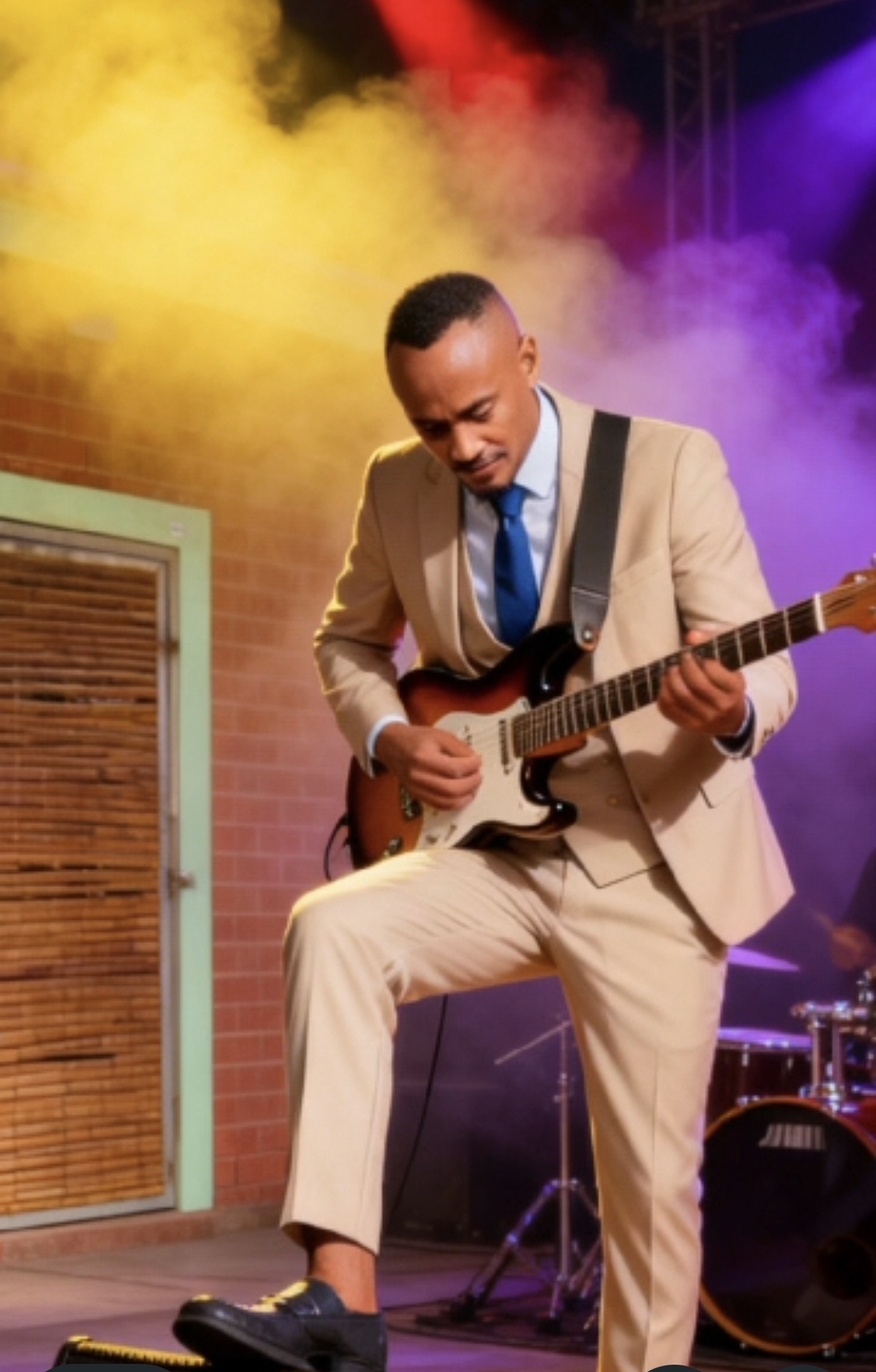
Hopeezy’s new release, “Just Doing What I Love,” arrives as a warm, late-night R&B/soul balm: analog keys, breathy falsetto and a syncopated low end that nods to hip-hop’s minimalist turn. The production favors space over ornamentation, allowing vocals to hover against reverb-dusted chords while small, precise drum hits keep the pulse human. It’s intimate but ambitious — equal parts confessional singer-songwriter and studio-savvy producer — a record that feels like a conversation in a dim studio where every line means Everything.
As a professional teacher who has been making music since around 2007, Hopeezy brings a rare discipline to his craft. Destined, by his own trajectory, to be a professional songwriter, producer, rapper and singer, he synthesizes pedagogical patience with creative restlessness. Hugely inspired by Ye, he borrows bold structural moves and texture play but channels them into soulful storytelling rather than spectacle. The result is a multi-hyphenate artist who writes, arranges and shapes his sound with the care of an educator guiding a lesson.
This matters because Hopeezy models how steady dedication refines voice: a working professional balancing a classroom and a studio who still prioritizes honest expression. “Just Doing What I Love” stakes a modest but firm claim — that craftfulness and authenticity in modern R&B can coexist with contemporary production ambitions. For listeners craving warmth and conviction, it’s a reminder that great soul emerges from persistence, not posturing.
There is also something quietly persuasive in the way Hopeezy frames effort. Not as mythology, not as branding theatre, but as a long arc of doing the work. That makes this music feel anchored. In a feature full of momentum, Hopeezy brings another key ingredient: durability.

ramonya029
Ramonya_029’s sound lands like a city at night: oscillating between shadow and neon. He folds trap’s hard-hitting 808s into raw hip-hop lyricism, layering clipped, urgent flows with melodic hooks that linger. There’s an experimental edge—ambient textures, sudden tempo shifts and vocal inflections—that keeps each track feeling alive and unpredictable. January’s single “Vimba” (featuring Mlue Jay) showcases that balance: a streetwise cadence riding a polished beat, intimate enough for headphones but expansive enough for bigger stages. The coming “Asibambeki” promises a grittier counterpoint, a collaboration that could amplify his signature tension between grit and grace.
Behind the moniker is Molebatsi Blessing Mangena, an independent artist from Bulawayo — the City of Kings — who has methodically built momentum since viral 2021 TikTok freestyles with Mlue Jay and Noluntu J. Ramonya_029 is not just a performer but a strategist: he kicked off the year with “Vimba” on all major streaming services and has February’s collaboration with Bulawayo heavyweight Floppy X lined up. His biography reads like a mission statement — an electrifying personality intent on entertaining, inspiring and outliving mortality — and he’s already laying groundwork for merchandise and vinyl releases to translate musical capital into a lasting brand.
What matters here isn’t only another talented independent arriving on the scene, but how Ramonya_029 models sustainable growth for regional hip-hop. By converting TikTok virality into streaming traction, strategic collaborations and tangible products like vinyl, he signals a long-game vision: exporting Bulawayo’s voice to global ears while building cultural infrastructure at home. If he continues to refine his craft and expand his brand, Ramonya_029 could become a touchstone for a new wave of Southern African rap that marries artistry with entrepreneurial acumen.
That brand-minded seriousness makes his inclusion here especially useful. A lot of emerging coverage still writes as if talent and planning are separate stories. They are not. Ramonya_029 makes clear that sound, consistency, release strategy, and identity-building now live in the same ecosystem. That is one of the defining truths of the current indie landscape, and this article is stronger for showing it directly.

bankboi-
The release lands like a late-night confession recorded over a city that both bruises and blesses—raw drum patterns and sullen 808s push verses forward while smoky piano and gospel-tinged samples pull the listener back into reflection. Vocals alternate between clipped, urgent cadences and quieter, melodic refrains that underline a constant tug-of-war between aggression and gratitude. The production bends New Orleans grit into cinematic space: streetwise percussion and church-soul warmth collide, creating tracks that feel immediate and lived-in, as if each beat traces the arc of a decision made and a lesson learned.
Behind the sound is an unsigned visionary from New Orleans who speaks in specifics: a life lived “on both sides of the fence,” experiences of being in and out of jail, and a transition from active street life to a calmer focus on craft. These are not abstract themes but true stories—he says he works on music every day, pouring that redirected energy into songs that catalogue survival, accountability and appreciation. He’s preparing to drop a new LP titled GFG Good Fellaz Spoony and has ties to Blackheart Ent, signaling an independent hustle that’s networked but still self-propelled. The image of the artist exists to match the music—no manufactured mystique, just a documented evolution.
What matters here is authenticity: in a culture often polished to market, this project stakes its value on moral complexity and gratitude amid hardship. The tension between good and evil, the pivot from street activity to studio discipline, and the insistence on daily work make this more than music—it’s a map for listeners who want realism with a hopeful cadence. For New Orleans rap and independent hip-hop at large, this voice could recalibrate conversations about recovery, responsibility and the art of turning survival into song.
As a closing artist in this sequence, bankboi- lands with the kind of gravity that makes an editorial frame snap into place. The stories here are not decorative. They are the material. They are the production glue, the lyrical motive, the reason certain bars hit harder than others. And that, ultimately, is what makes this March crop feel so alive: the sense that these records are carrying real pressure from real lives into public sound.
These specific independent artists pour their hearts, time, and singular vision into every creation; they deserve more than fleeting attention. When you buy a record, attend a show, share a track, or commission a piece, you fuel livelihoods and amplify voices that broaden our culture. Supporting them is an act of courage and care: it preserves diversity, champions risk-taking, and keeps authentic stories alive. Choose intentional patronage, subscribe, donate, spread the word, and recommend friends. Together we can turn admiration into tangible impact. Stand with these specific independent artists; invest in art that challenges, comforts, and transforms. For generations ahead.
That is the real story behind Next Wave — 26 Rising Voices Rewriting Rap, R&B and the Global Club Sound (March 2026). It is not a story about one dominant city, one algorithm-friendly formula, or one narrow definition of what independent music is supposed to sound like. It is a story about breadth: Niagara Falls grit, Benin City heritage, Bothaville street movement, Bulawayo ambition, Austin ownership, Carbondale hunger, New Orleans testimony, and all the intimate spaces in between where music is still being made with urgency rather than habit.
Across trap, drill, hip-hop, instrumental rap, R&B, soul, Afrobeats and Amapiano, these artists are not simply chasing visibility. They are building emotional worlds, local scenes, and self-defined careers. Some do it through technical beat construction. Some do it through entrepreneurial architecture. Some do it through tenderness, confession, and love songs that refuse cynicism. Some do it by turning struggle into language sharp enough to cut through noise. Taken together, they make a convincing case that independent music in March 2026 is not surviving on the margins — it is actively rewriting the center.
If there is one phrase that holds this whole issue together, it is the one implied by the theme itself: blowing the lights out. Not in the sense of spectacle alone, but in the sense of impact so strong it changes the atmosphere of the room. These artists are doing exactly that. They are dimming the old assumptions, blowing out stale formulas, and forcing fresh attention toward the places where culture is actually moving. That is worth listening to closely. That is worth supporting loudly. And that is worth carrying forward long after March ends.