

There is a particular tension that lives inside new music when the stakes feel immediate: every release sounds like a test, every verse feels like evidence, and every hook is trying to turn attention into momentum.
That urgency runs through this month’s feature package, where artists are not simply sharing songs but forcing a clearer shape into view. Some lean into confession, some into swagger, and some into texture and melody, but all of them are answering the same pressure with motion.
What emerges is a portrait of arrival under strain. These are the records that feel built to cut through the clutter, not by shouting the loudest, but by making their intent impossible to ignore.
Artists Featured in This Story
The Sound of Pressure
Pressure is not always a crisis; sometimes it is the force that gives a record its outline. In the new releases moving through this corner of the scene, the most interesting thing is not simply that artists are putting music out, but that they are doing it with the sense that something must be said now, in this form, before the moment cools. That urgency runs through very different lanes—instrumental craft, gospel affirmation, emotional Afropop, trap and drill swagger—but it lands as a shared aesthetic. These are records built at the edge of arrival, where identity is not presented as a finished monument but sharpened in real time. You can hear that pressure in mrlee’s producer-led precision, in Johnson Rays’ faith-forward insistence, in slimetee056’s blunt emotional accounting, and in yungblazer1’s hustler calculus; each artist seems to understand that a release is not just content, but evidence.
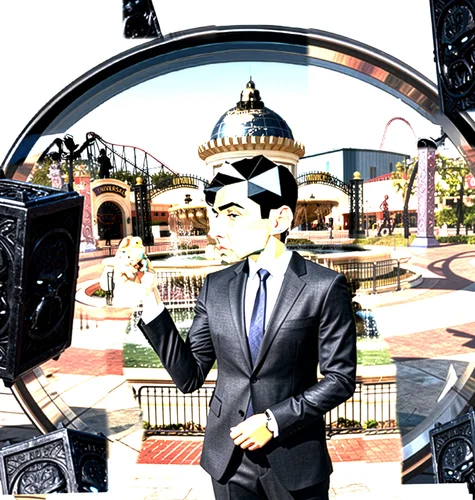
Mrlee’s corner of the picture is especially revealing because the music itself is framed through process as much as performance. A Sound Engineer and Music Producer by biography, mrlee arrives less like a vocalist trying to seize the front of the stage than like someone who already knows the machinery of making the room move. The three featured cuts—“03 Leeinstrumentals,” “01 Leeinstrumentals,” and “02 leeinstrumentals”—sit in the dancehall ecosystem, but they are defined by the discipline of construction: modern dancehall on two tracks, dancehall riddims on another, and all of it presented through the broader label of Multi-Genre. Even the track titles feel numbered, methodical, almost archival, as if the release is documenting a developing language rather than showing off a finished sentence. The play counts and downloads suggest real traction, but what matters critically is the way this work locates pressure inside arrangement and tone. In a field where energy can be mistaken for improvisation, mrlee’s music implies another truth: the beat itself can be a pressure vessel, holding intensity until it is ready to move.
That sense of internal pressure changes shape completely with Johnson Rays, whose work is built around release as testimony. If mrlee’s records are about the rigor of sonic assembly, Johnson Rays’ “YOU & I” is about the discipline of spiritual attention. His bio places him squarely in a Nigerian Afrobeats and reggae gospel lineage, and the new single is framed as a song of faith, gratitude, and the quiet recognition of God’s presence. That framing matters because Johnson Rays is not using uplift as decoration; he is treating it as a method of seeing. His talking points make the intention plain: the song is about listening to God in quiet moments, and about understanding that gratitude can be a form of awareness. In the context of the feature’s pressure-and-arrival frame, that becomes more than devotional language. It becomes a statement about timing. Johnson Rays speaks of “the beginning,” of projects lined up through 2026 and 2027, and that forward motion gives the present release a charged humility. His previous work—“I’M So Free,” “Motivate,” “Testimony,” along with EP and album titles like God Did and Belief—shows that this is an artist who has been building a theology of momentum for some time. The new single doesn’t break from that; it crystallizes it.
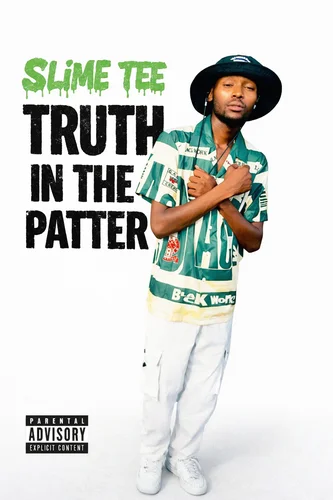
Where Johnson Rays channels pressure into gratitude, slimetee056 turns it inward and makes it relational. “Truth in the pattern” is one of the most emotionally legible new tracks in this group because it understands how often self-protection comes only after repetition has already done its damage. The song’s description is unusually candid: love, doubt, self-awareness, red flags, repeated behavior, the moment when feelings remain strong but actions begin to tell a different story. In other words, the record is about the slow violence of recognition. What makes it work within this larger editorial frame is that the pressure is not external—there is no industry mythology here, no triumphant arrival pose. Instead, the track lives in the pressure of being honest with yourself while still hoping that honesty will not be necessary. The repeated chorus becomes a kind of emotional evidence locker, the kind of hook that returns not to reassure but to confirm what the listener may already suspect. Coming after the faith-centered steadiness of Johnson Rays, slimetee056 feels like the secular mirror image: another artist using song to reach clarity, but doing so from inside uncertainty rather than beyond it. If there is arrival here, it is the painful kind—the arrival of knowledge.
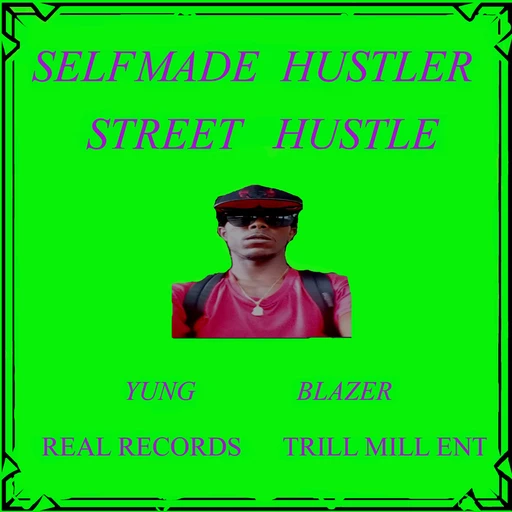
Then there is yungblazer1, whose work gives pressure a more outward, survivalist shape. His bio makes no attempt to hide the stakes: “Time is Money$,” “Selfmade Hustle / Street Hustle,” and the forthcoming “Street Money$” all position the music inside a logic of grind, accumulation, and public proof. As an Artist, Rapper, and Producer / Beatmaker, he embodies the self-contained model that often defines trap and drill economies: make the record, control the sound, and let the release itself testify to momentum. Tracks like “Blazin High (freestyle),” “Big Money$ Remastered Yung Blazer,” and “Come Round Drill Yung Blazer” don’t just carry genre tags—Melodic Trap, Hard Trap, UK Drill—they stage the movement from one pressure point to another, from freestyle looseness to remastered polish to drill confrontation. That progression matters because it suggests an artist actively tightening his presentation. If mrlee’s construction is infrastructural, yungblazer1’s is aspirational: the sound of someone trying to build a durable public self out of urgency. Even the mention of his platforms and forthcoming album functions less as promotion than as evidence of persistence. The music is not asking permission to arrive; it is arriving with its work boots on.
Seen together, these records refuse the idea that new music is only about novelty. What actually unites them is the strain that precedes definition. mrlee’s instrumental dancehall studies, Johnson Rays’ faith-driven reggae gospel, slimetee056’s hard-won emotional clarity, and yungblazer1’s trap-and-drill self-mythology all treat release as a pressure event: something compressed, shaped, and finally let loose into the public. Even the briefest cross-reference, like droozy in the R&B / Soul lane, reminds us how broad this landscape is; the scene is full of artists using love, faith, hustle, and sound design as different ways of negotiating presence. But these four stand out because each one seems to understand that arrival is not a passive milestone. It is an act of force. A track lands when an artist has pushed it past private intention and into audible form, and what the listener hears, before anything else, is the pressure that made it necessary.
In a year when new music often feels like a race to be heard, johnsonrays stands out by treating release as revelation: not just another drop, but a carefully sharpened statement of faith, gratitude, and attention. That pressure-driven clarity is what gives songs like “YOU & I” their pull, and it echoes through the broader momentum around his work, from the uplift of “Motivate” to the reflective charge of “Testimony,” all of it framed by the same sense of purpose that turns sound into testimony.
Turning Emotion Into Momentum
There is a recognizable tension running through these releases, one that feels less like a marketing posture than a lived condition: the sound itself seems to be pushing against a ceiling, trying to make pressure audible before it becomes release. That is what gives this cluster of new music its charge. In one lane, only1siege is shaping a version of hip-hop that treats confidence not as a costume but as a survival mechanism, fusing street-smart lyricism with the hard edges of an entrepreneur’s mindset. In another, gnerylknowledge8 is arriving with the kind of vocal and songwriting identity that remembers how long it took to learn how to say something plainly and still make it land. And then droozy, moving through R&B/Soul with trap and club-banger detours, turns emotional strain into something physical, almost percussive. Taken together, they suggest a scene where arrival is not a clean debut but a pressure-tested emergence, where the music has to carry the weight of making its own case in real time.
What makes only1siege especially compelling in this frame is that the music feels inseparable from the infrastructure around it. As an Austin artist and entrepreneur, and as the founder of Money Hungry Mafia LLC, $tayn x Hngry Clothing Inc., and Moguls Overthrow Elites Publishing Inc., he is not simply releasing songs so much as building a system around them. That matters because his tracks carry the same self-determined logic: they are designed to hit hard, but also to stand up to scrutiny, to move from local urgency into broader visibility without losing their grit. “Sleeping On Me” has the blunt force of an announcement, a spine-crushing anthem where the bass-drop rhetoric is matched by the confidence of its premise. “MY LAST,” by contrast, leans into conscious rap’s emotional volatility, using thunderous production and a dark pulse to turn chaos into momentum. Even “Diamonds & Gold” frames hunger and pain as part of the same engine, making the grind audible rather than merely symbolic. In a year when the conversation around new Hip-Hop artists 2026 is increasingly crowded, only1siege sounds like someone who understands that the music must arrive already carrying an identity, not just a promise.
That sense of identity is sharpened by how differently gnerylknowledge8 and droozy approach emotional pressure. Gneryl Knowledge has been writing since age 14, and that long apprenticeship seems to matter in the texture of the work: the songs present themselves with an instinct for shape rather than a rush to prove range. Even when the featured material is rooted in dancehall, the common thread is a sense of language as a place to settle experience into form. “Engrave Yuh Love” reads as a love expression with deep lyrics and poetic flow; “Sit Poni tip” pushes toward playful intimacy; “Team Dream” takes the anthem route. The effect is not of an artist trying on moods, but of someone learning how different emotional temperatures can coexist under one voice. That’s a useful contrast to the sharper, more confrontation-ready stance of only1siege. If he is turning pressure into impact, gnerylknowledge8 is turning time into poise, and that distinction gives the section a broader emotional spectrum without drifting into a list of separate introductions.
Droozy extends that spectrum in a different direction altogether. With creator roles spanning artist, vocalist/singer, and rapper, Droozyy (with 2 Ys) is working across borders that let vulnerability and club energy occupy the same frame. “Blame” is the song that most clearly fits the editorial frame here: it is built around anxiety, pressure, and paranoia, but its title alone hints at a coping instinct, a way of naming the stress without surrendering to it. That’s not the same thing as despair. It’s a recognition that modern emotional life often arrives in fragments, in half-defenses and internal negotiations. The surrounding tracks, “My Back Hurts” and “keep trying,” make the arc even more legible: one leans into the comic friction of things not going your way, the other offers a triumphal insistence on persistence. In a wider field where even artists like yungblazer1 are stitching hustle narratives to trap and drill energy, droozy’s work stands out for making resilience feel bodily, not abstract. The songs do not simply say keep going; they make you feel the strain of continuing.
What links these artists is not genre uniformity so much as a shared refusal to present ambition as effortless. only1siege’s Austin-rooted independence, with its overlapping worlds of music, design, clothing, publishing, and business development, creates a model of an artist who treats output as ecosystem. Gnerylknowledge8, by comparison, suggests the patient formation of a voice that has had years to develop its own register, one where songwriting and vocal performance reinforce each other rather than compete. Droozy’s blend of R&B/Soul with rap and trap textures points to an artist using mood as a pressure valve, then converting that mood into something that can still work on a floor or through headphones. These distinctions matter because they keep the story from flattening into a generic “up-and-coming” narrative. Each of them is arriving under different conditions, but all three are negotiating the same central problem: how to make emotional pressure audible enough that listeners recognize not only the pain, but the shape of the response.
That is why these new releases feel less like isolated drops and more like signals of a broader shift in how underground rap to watch, dancehall-inflected songwriting, and hybrid R&B/trap expression are being positioned in the current attention economy. only1siege’s best material has the kind of forward pressure that can travel, especially when a track like “Sleeping On Me” is built on unapologetic force and “MY LAST” channels intensity into something more psychologically charged. Gnerylknowledge8’s catalog, meanwhile, feels like it is mapping a voice that can hold tenderness, playfulness, and collective aspiration without losing coherence. Droozy is perhaps the most explicit about the emotional mechanics at play, but the strongest insight across all three is the same: arrival is not a static moment. It is the sound of artists learning, under pressure, how to convert lived experience into momentum. In that sense, this is exactly where the best new rap music tends to reveal itself—not in grand declarations, but in the audible strain of someone becoming undeniable.
Forcing the Moment to Land
There’s a particular kind of music that doesn’t just arrive so much as force itself into the room. It comes with edges still warm from being shaped, with identity still under pressure, with the sense that the artist has not waited for permission but instead built the door and kicked it open. That is the current running through these new releases: slime-jul-doll, youngrren, and habefe all sound like artists working at the exact point where intention meets exposure, where a song is not merely finished but made to bear the weight of who they are becoming. In that sense, the pressure is not an afterthought; it is the engine. These records are calibrated to break through the noise, but they do it in different keys—one through raw confrontation, one through hard-edged momentum, one through melodic tenderness shaped into something resilient.
slime-jul-doll feels closest to the ground, which is to say closest to the friction that gives a song its heat. The artist from Kuruman Esprenza Village presents himself not just as a rapper, but as a producer, beatmaker, and engineer—roles that matter here because they suggest an artist controlling the entire pressure system of the music. “Fuck You’ll” is framed as a raw, unapologetic record, and that description lands because the song appears to be carrying the emotional leftovers of real frustration: hunger for success, doubt from outside, the burden of fake support. The record’s hard-hitting trap elements and dark energy do not soften that tension; they sharpen it. What makes slime-jul-doll compelling is the way the independent Motswako Trap identity described in his profile blends street realism with melodic trap emotion, so even when the language is blunt, the feeling is not one-dimensional. “Love Pain Drugs Gang,” the project shorthand in the bio, already tells you what kind of night this music comes from: township nights, yes, but also the mental weather that settles in after the streetlights go up. It is music that understands arrival as something earned through abrasion.
What youngrren brings into the frame is a different sort of pressure: less intimate confession than public insistence. If slime-jul-doll sounds like he is writing from inside the struggle, youngrren sounds like he is writing from the doorstep of a scene that has to make room for him whether it wants to or not. His profile is full of that forward motion—bold, unfiltered voice; razor-sharp lyricism; beats that hit like a knockout punch; a fresh take on hip-hop’s evolution rooted in tradition but unafraid to push boundaries. The three featured tracks, “Street Flavour,” “Mastermind,” and “Fade Away,” suggest a deliberate spectrum, from presence to planning to disappearance, as if the artist is mapping the tactical choices that come with trying to stand out in a saturated landscape. There’s no need to overstate the point: the biography already does the work of positioning him as a force ready to redefine the new school. But the crucial detail is how that force is made audible. youngrren’s music is not just asserting identity; it is testing how much pressure a persona can bear before it hardens into style. In a field where authenticity is treated like currency, he sounds intent on spending it loudly and wisely.
And then habefe changes the temperature without lowering the stakes. Where slime-jul-doll and youngrren lean into the grit of confrontation, habefe treats arrival as something more delicate and no less exacting: a song can be romantic, smooth, even playful, but it still has to hold together under emotional strain. “Kuchi Kuchi” is described as a smooth Afrobeat love song, a track that captures the excitement of falling in love and expressing affection through melody and rhythm. That softness matters, but so does the structure underneath it. Habefe’s story—born OLADIMEJI IBRAHIM AYOMIDE, beginning in 2022 as KIZZ-IB, gaining early attention with a cover of Zinoleesky’s “Loving You,” then reintroducing himself in 2025 as Habefe—reads like a carefully managed transformation rather than a simple rebrand. He is an independent artist, vocalist, and songwriter who studies Building Engineering at Obafemi Awolowo University, and that parallel between songwriting and design is more than a neat metaphor: it explains why his music feels intentional, built to last, designed to carry emotion without collapsing under it. “Let You Go” introduced the storytelling side, “Started Alone” offers a glimpse into life before the name change, and “If It Ends Tonight” sits like a late-night conversation at the edge of goodbye. In other words, even when he turns toward romance, habefe is still thinking about structure, consequence, and how feeling can be arranged into something durable.
That contrast between blunt force and crafted warmth is what makes the broader spread of these releases feel so revealing. slime-jul-doll’s “Fuck You’ll” doesn’t ask for gentleness; it wants to be heard over the static. youngrren’s “Mastermind” and “Street Flavour” suggest a mind building leverage in real time, turning lyrical confidence into momentum. habefe, meanwhile, makes emotional directness sound almost architectural, the way “Kuchi Kuchi” and “Let You Go” frame love not as a decorative topic but as a site of tension, memory, and revision. These are not artists standing still long enough to be neatly categorized. They are using the release itself as proof of concept, taking the pressure of expectation and turning it into a clearer silhouette. Even a brief cross-reference like slimetee056, another multi-genre artist in the same broader current, points to how fluid the landscape has become: artists are no longer waiting to be slotted into fixed lanes before they move. They are building the lane while driving it.
That may be the real story here: not simply that these artists are “new,” but that they understand newness as something earned under strain. slime-jul-doll’s independence is audible in the weight of the production roles he carries. youngrren’s new-school swagger is compelling because it feels sharpened by competition rather than inflated by it. habefe’s melodic shift from heartbreak to romance shows a young artist learning how to make feeling legible without sanding off its complexity. In each case, the song is the moment where identity gets tested against the microphone, and where pressure becomes a kind of proof. These releases do not arrive politely. They arrive with intent, with posture, with something to say about what it costs to be seen. And that is why they land: because the force is not just in the volume, but in the fact that each artist seems to know exactly what part of themselves must survive the impact.
Listen / Follow the Artists Featured Here



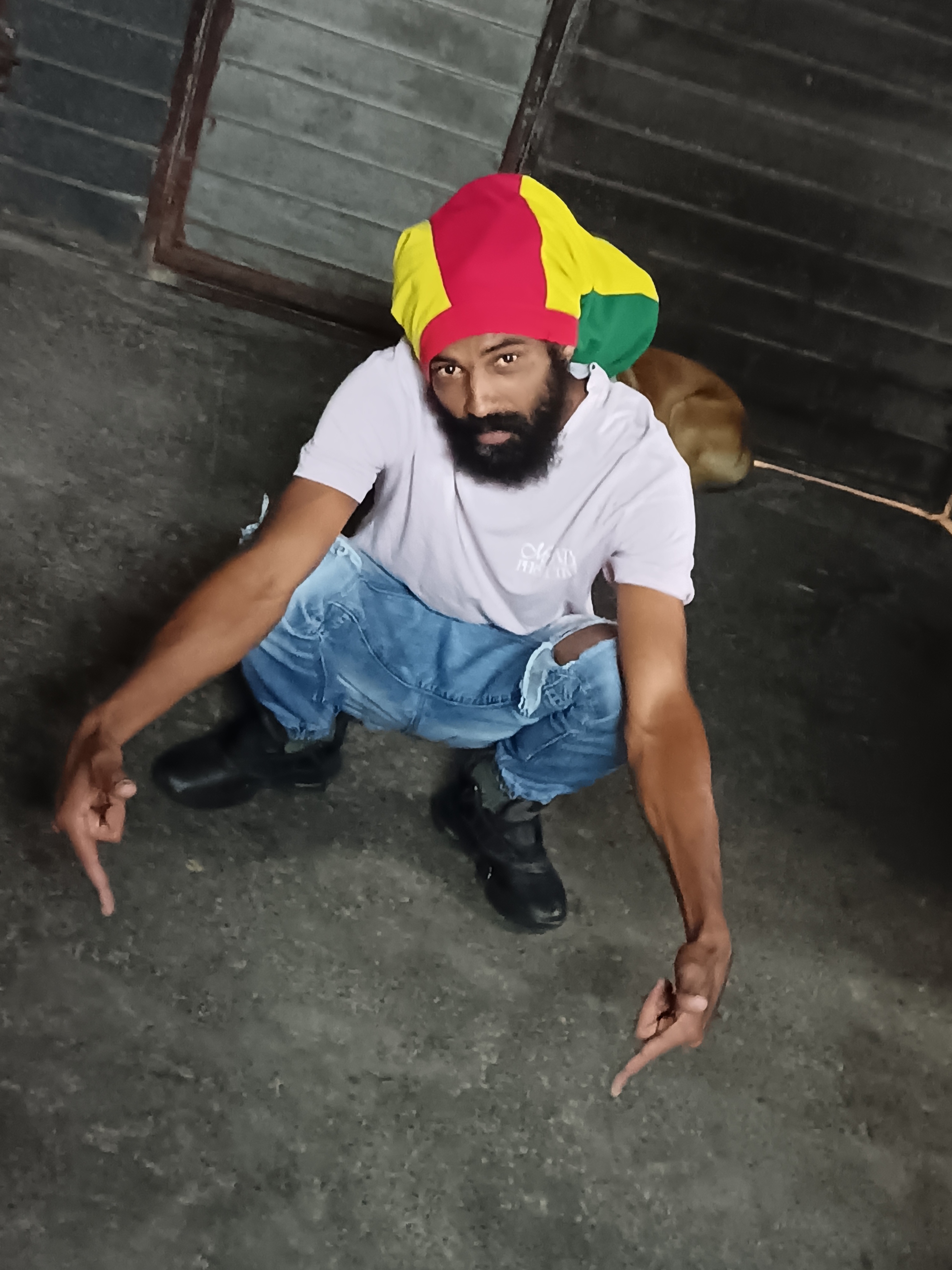
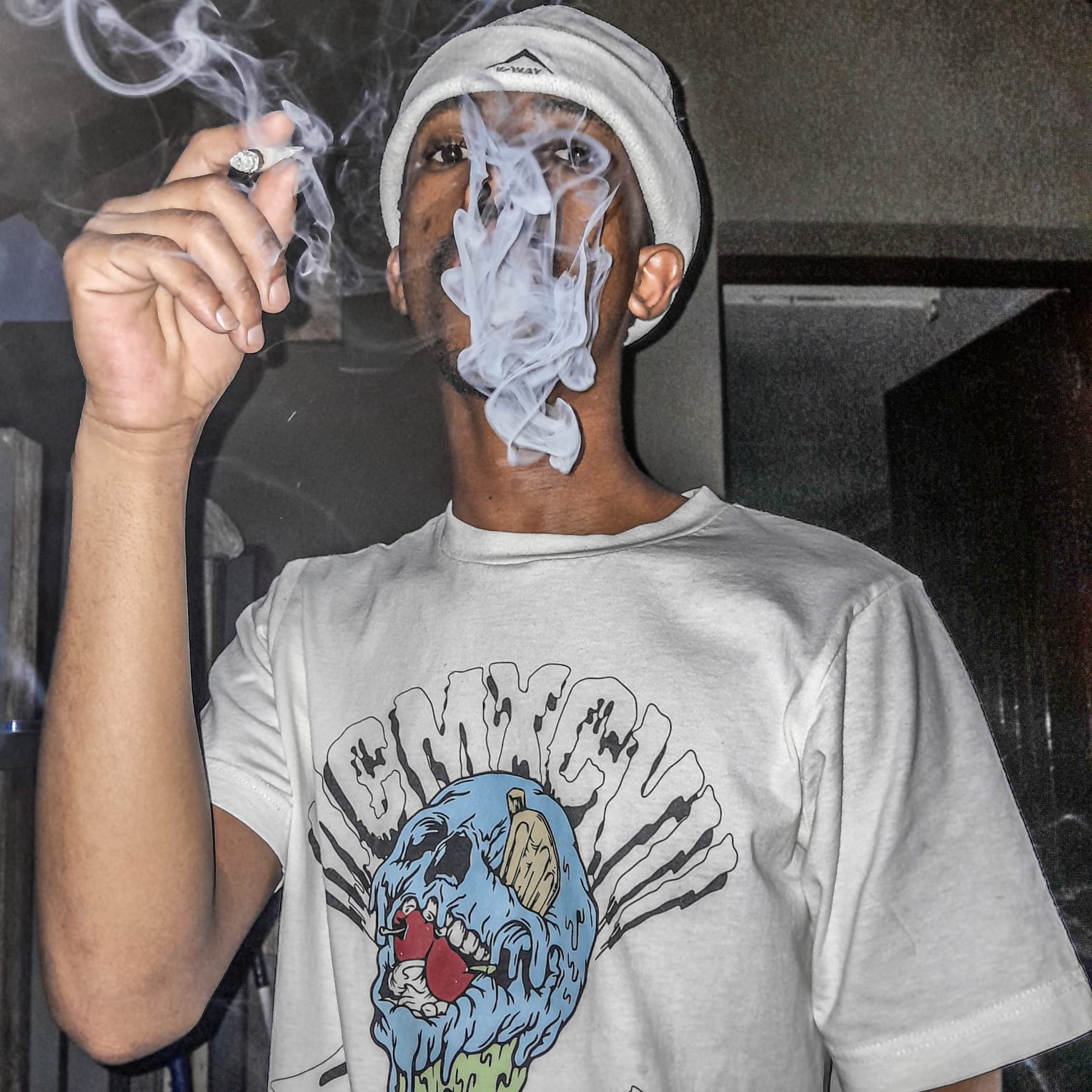

What links mrlee, johnsonrays, slimetee056, yungblazer1, only1siege, gnerylknowledge8, droozy, slime-jul-doll, youngrren, and habefe is not just that they are arriving now, but that they are arriving under pressure — and turning that pressure into form. These releases do not read like soft introductions. They feel assembled in motion, as if each artist is learning how to name themselves at the exact moment the world is beginning to listen. That tension gives the music its voltage: unfinished in the most purposeful way, urgent without sounding rushed, personal without asking permission.
Across this cluster of releases, identity is not presented as a fixed brand but as a live wire. mrlee and johnsonrays sharpen mood into declaration; slimetee056 and yungblazer1 turn momentum into a kind of self-authentication; only1siege and gnerylknowledge8 make clarity feel hard-won rather than prepackaged; droozy, slime-jul-doll, youngrren, and habefe each work with the grain of their own instincts, pushing raw ideas until they become signatures. What emerges is a larger picture of independent music in a state of real-time refinement, where the point is not to arrive polished, but to arrive undeniable.
That is what makes this moment worth pausing over. These artists are not merely contributing to an already crowded landscape; they are showing how the landscape changes when new voices refuse to wait for ideal conditions. The best of these records understand that contemporary breakout energy is less about spectacle than compression: years of taste, tension, ambition, and self-editing pressed into a track that can finally hold its shape in public. In that sense, these releases are not just songs or scenes. They are thresholds.
And thresholds matter because they reveal who is willing to become legible before they are fully complete. That willingness — to be in process, to be heard mid-transformation, to let the music carry the strain of becoming — is what gives this field its edge. The future of independent music is not arriving politely; it is forcing its way into focus, and these artists are already standing in the doorway.